

In the very heart of Krakow lies the Main Market Square, the pulsating center of the city’s life for over six centuries. This vast open square, surrounded by a stunning array of medieval buildings, museums, churches, and cafes, invites each visitor to immerse themselves in a rich mosaic of culture, tradition, and everyday charm. Whether arriving on foot from the nearby Old Town or traveling from Krakow’s airport and train station, the Main Market Square serves as an unforgettable starting point to explore the city’s glorious past and vibrant present. Here, centuries-old cobbled streets blend with lively festivals, street musicians, and the aroma of traditional Polish food wafting from nearby stalls and restaurants.
Table of Contents
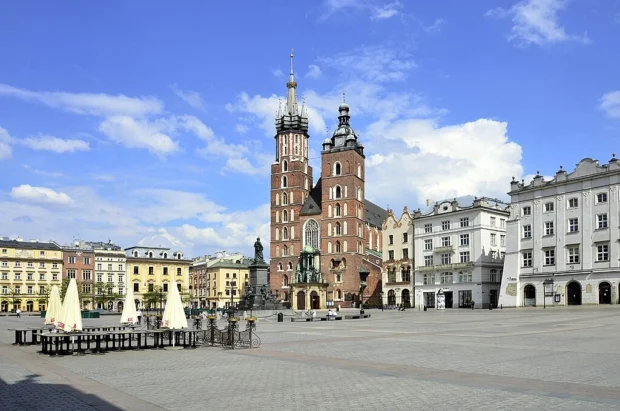
Finding Your Way to the Heart of Krakow
The Main Market Square, or Rynek Główny in Polish, is nestled in Krakow’s Old Town and is extremely easy to reach from multiple transportation hubs. For travelers arriving by plane at John Paul II International Airport, a direct bus line (Airport Shuttle Bus No. 208) or a taxi takes about 30-40 minutes to reach the square. From Krakow’s main train station (Kraków Główny), it is a pleasant 15-minute walk straight along the bustling streets of the Old Town or a quick tram ride if preferred.
Once you step into the square, you will notice the iconic Cloth Hall (Sukiennice) dominating the center with its Renaissance arcades, while the imposing St. Mary’s Basilica towers nearby. For those staying close by, numerous charming guesthouses and apartments offer views of or easy access to the lively market, allowing you to soak up the atmosphere at dawn or under the twinkling evening lights.
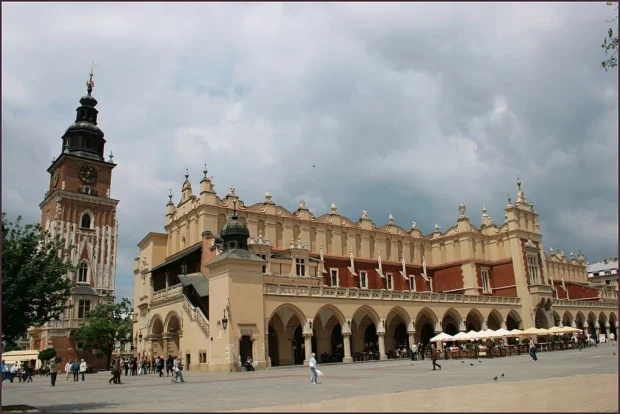
Secrets Behind the Square’s Living Story
The Main Market Square dates back to 1257, created by the city’s ruler to serve as the central marketplace and social hub. Over the centuries, its role evolved from a medieval trading crossroads to a stage for city celebrations, religious rituals, and political gatherings, witnessing moments of joy, tension, and transformation. The square has a unique charm born from its layered history; beneath its surface lie tales of merchants, nobles, and artisans who shaped Krakow’s fortunes.
One of the fascinating facts often overlooked by visitors is the square’s size about 40,000 square meters, making it the largest medieval town square in Europe. It was designed not only to accommodate merchants from distant lands trading spices, textiles, and ceramics but also to host grand festivals and theaters, many preserving elements of rural heritage and local craftsmanship.
Architecture That Speaks Across Time
The square’s architecture is a living testament to Krakow’s resilience and artistic tradition. Gothic churches, Renaissance merchant halls, and Baroque townhouses present a visual narrative of evolving styles and cultural influences. St. Mary’s Basilica, famous for its wooden altarpiece carved by Veit Stoss, offers an incredible example of religious monument art, while the Cloth Hall remains a center of craft traditions and souvenir shopping.
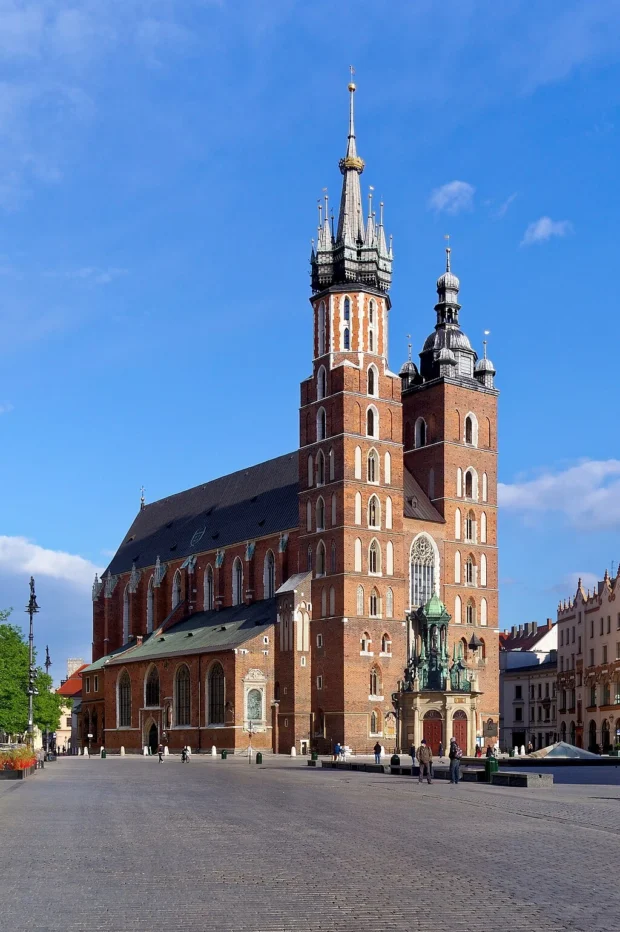
Many corners of the square whisper stories of the medieval trade routes that once connected Krakow to distant cities. Visitors attuned to heritage museums will find charm in these details, such as the underground museum beneath the square, which reveals archaeological layers and ancient urban layouts, showcasing the city’s historic trade prominence.
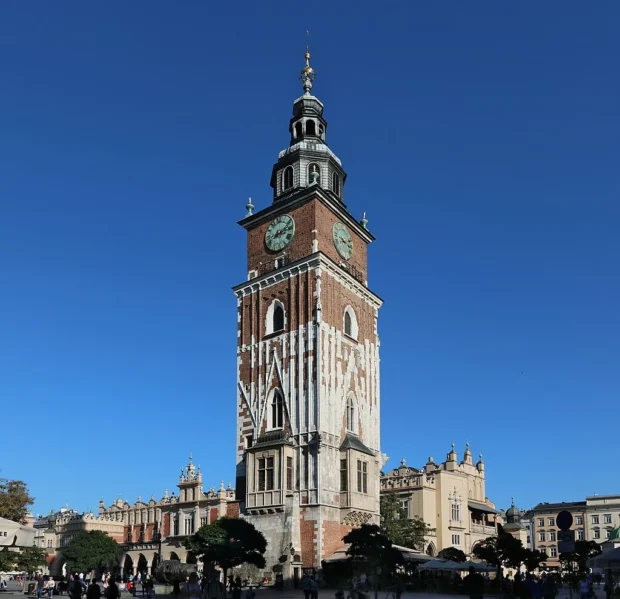
When to Visit for the Best Experience
Choosing the ideal time to wander the Main Market Square can dramatically influence your experience. Early mornings on weekdays are serene, with only a few locals and early risers greeting the day’s first light. This quiet hour unveils a different face of the square peaceful and reflective perfect for those who prefer contemplation over crowds.
In contrast, weekend afternoons and early evenings bring the square to life with street performers, market stalls, and open-air cafes buzzing with conversation and laughter. Festival seasons, particularly during Christmas and Easter, highlight traditional rituals and culinary heritage through colorful stalls, handmade decorations, and live music, celebrating both religious and cultural customs.
Insider’s Tip: Avoiding Peak Crowds
- Visit early in the morning around 8-10 am to enjoy quiet streets and clear views of architectural details.
- Weekdays tend to be less crowded than weekends; Mondays sometimes have reduced market activity.
- Check the Krakow city calendar for special events; some festivals bring joyous crowds but can also limit access to certain areas.
Planning Your Tours and Reservations
Exploring the Main Market Square allows for both spontaneous wandering and guided discovery. Local guides enrich visits with stories about the square’s construction, its role in religious monuments, and architectural conservation efforts that keep centuries-old buildings alive. Guided walking tours often include nearby attractions such as Wawel Castle and the Jewish Quarter, blending perspectives on Krakow’s cultural landscapes and oral histories.
While the square itself is an open public space requiring no entrance fees or reservations, some popular sites like St. Mary’s Basilica or the underground archaeological museum require tickets. Reserving these in advance, especially during high season, is advised to avoid long lines.
For those passionate about ritual festivals or traditional crafts, specialized workshops and seasonal tours are available, sometimes requiring prior booking through local tourism offices or trusted websites.
Official Resource for Planning Visits
To plan your visit with up-to-date information on events, ticket reservations, and guided tours, consult the official Krakow tourism website. It offers comprehensive insights and practical details to enhance your stay. Feel free to check its website for more.
Savoring Krakow’s Local Flavors Near the Square
After exploring, treat yourself to authentic Polish culinary heritage right around the square. From charming cafes serving thick cream soups (żurek) to street stalls offering freshly baked obwarzanek (local bagels), the variety is delightful. Food traditions here are deeply rooted in the cultural landscape, with many family-run establishments passing recipes through generations.
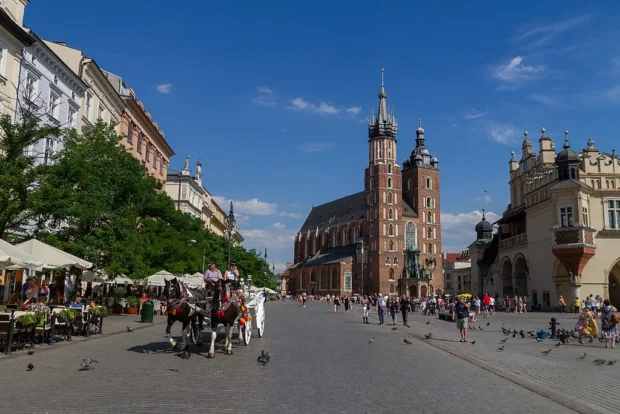
Nearby eateries blend rustic rural heritage with urban elegance, often featuring seasonal ingredients and traditional dishes like pierogi stuffed with regional fillings. Sitting at a terrace overlooking the historic Cloth Hall, you can observe daily life unfold while savoring the flavors that have enriched Krakow for centuries.
Final Thoughts on the Square’s Enduring Allure
Walking across Krakow’s Main Market Square is like stepping through a living museum where every stone and story invites curiosity and reflection. It isn’t just the grandeur of medieval architecture or the pulse of present-day festivities that captivates; it’s the square’s role as a cultural heart, witnessing countless human moments and uniting generations in shared spaces.
Whether you are drawn by medieval architecture, craft traditions, religious monuments, or simply the joy of being among a lively crowd steeped in history, the square will surprise you with hidden corners, playful myths, and authentic warmth. It is a place where Krakow’s past and present intertwine, welcoming you to join the ongoing story.
For a fuller picture of Krakow’s unique charm, consider visiting the guide to Why Krakow Belongs on Every Explorer’s Bucket List, highlighting its vibrant history and lively neighborhoods.
Eastern Europe travel specialist uncovering hidden gems from the Baltics to the Balkans.
- Krakow – Cloth Hall from Basilica – 1 by Ingo Mehling on Wikimedia Commons – cc by-sa 4.0
- Empty Old Town Market Square in Kraków during the COVID-19 pandemic in Poland, April 2020 by Krzysztof Zgłobicki on Wikimedia Commons – cc by-sa 4.0
- Cloth Hall (Sukiennice) in Main Market Square – panoramio by Laima Gūtmane (simka… on Wikimedia Commons – cc by-sa 3.0
- 20200512 Kościół Mariacki w Krakowie 1741 9934 by Jakub Hałun on Wikimedia Commons – cc by-sa 4.0
- Krakow – Rynek – Town Hall Tower by Ingo Mehling on Wikimedia Commons – cc by-sa 4.0
- 2019-07-06 Horse carriages and Saint Mary Basilica at Old Town Market Square in Kraków by Maksym Kozlenko on Wikimedia Commons – cc by-sa 4.0


_in_Main_Market_Square_-_panoramio.jpg)


