

Wandering through Rome’s timeless streets, the Colosseum rises like a colossal gateway to ancient stories and enduring heritage. This iconic amphitheater, a marvel of Roman engineering and heart of gladiatorial drama, draws countless souls eager to connect with the past. From its layered history and architectural genius to its place within the lively cityscape of Rome, the Colosseum invites visitors to walk among relics of a world where stone and human spirit intertwine. Here, we delve into guidance for reaching this monumental site, tips on timing your visit, insights into its rich significance, and practical details for tours and reservations. A journey along local foods and nearby accommodations colors the experience with the warmth of Roman daily life.
Table of Contents
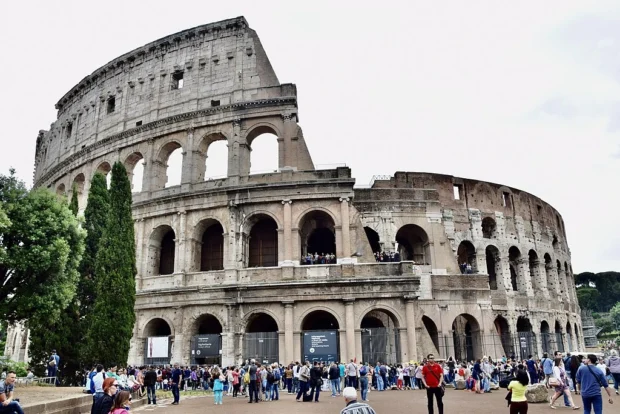
Finding Your Way to the Colosseum
The Colosseum is nestled in the heart of Rome, making it easily accessible from many parts of the city. Arriving from Rome’s central train station, Termini, is straightforward: take Metro Line B, the blue line, direction Laurentina, and alight at the Colosseo stop. This brings you to the amphitheater’s eastern side, just steps from its grand arches.
For those landing at Fiumicino Airport, the Leonardo Express train offers a direct link to Termini station in about 30 minutes, from which the metro or a pleasant 20-minute walk leads you onward to the Colosseum. Alternatively, taxis or ride-share options provide door-to-door convenience, weaving through Rome’s characteristic bustling avenues.
Bus lines 75, 81, 673, and 175 also serve the area, blending commuters and travelers in a tapestry of urban life around the ancient stone. As you approach, the lively Piazzale del Colosseo spreads with vendors, street musicians, and the hum of countless footsteps carrying stories.
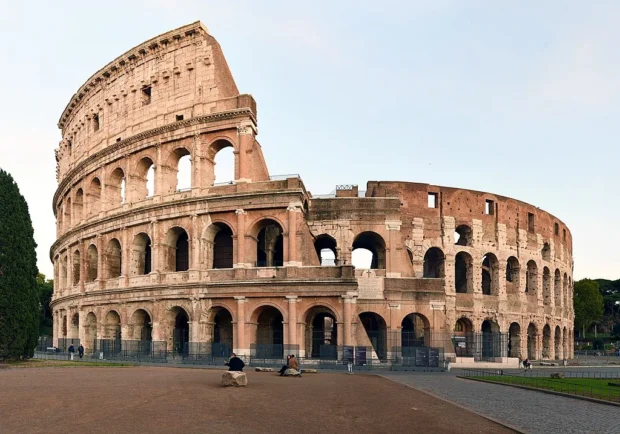
Choosing the Best Moment to Visit the Arena
Timing Your Entrance for Quiet Reflection
The Colosseum often hosts a crowd that stretches through its corridors and arches, yet early mornings right as the site opens and late afternoons hold a softer charm. Weekdays, particularly from November through February, see fewer visitors, providing a more contemplative pace to absorb the atmosphere. The golden light near sunset bathes the travertine stone in warm hues, a photographer’s delight and a moment for quiet appreciation.

Seasonal Rhythms and Special Events
Spring and autumn present pleasant weather, balancing warmth with gentle breezes, ideal for exploring the surrounding Roman Forum and Palatine Hill, complementing the Colosseum visit. The site occasionally hosts archaeological exhibitions or evening tours under the stars, weaving together history with the allure of twilight. Checking the official schedule ahead can reveal these unique chances to encounter the monument beyond the usual daylight hours.
The Colosseum’s Living Legacy and Meaning
Constructed between 70 and 80 AD under Emperor Vespasian and completed by his son Titus, the Colosseum was designed to host gladiatorial contests and public spectacles. It could hold an estimated 50,000 spectators who gathered to witness battles, hunts, and theatrical performances. This oval amphitheater stands as a testament to Roman architectural prowess, with its complex system of vaults and elevators that once moved animals and scenery.
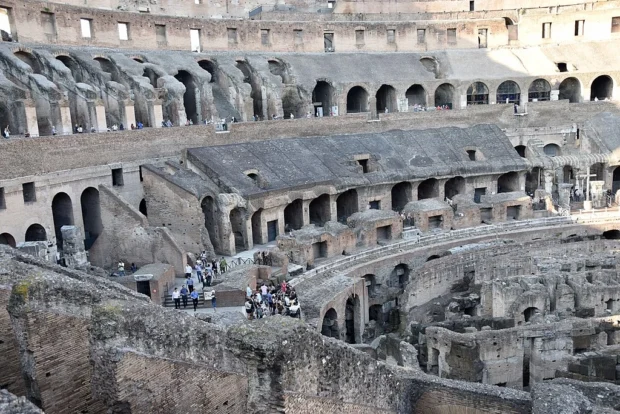
Beyond entertainment, the Colosseum reflects Rome’s social and political fabric, where emperors demonstrated power and generosity through grand games. Its layered history includes periods of damage from earthquakes and stone quarrying, and a slow transformation from arena to fortress, chapel, and symbol of Christian martyrdom, though the latter remains debated among historians.
Today, the Colosseum is a UNESCO World Heritage site, embodying resilience and the dialogue between past and present. Walking its tiers, one can envision the roar of crowds, the clash of gladiators, and the complex narrative of a civilization that shaped much of the Mediterranean and beyond.

Planning Your Visit: Tours and Reservations
Tickets to the Colosseum are available online and onsite, but booking in advance through the official site is recommended to avoid long queues, especially during peak season. Entry includes access to the Roman Forum and Palatine Hill, extending the exploration to the cradle of ancient Rome. Guided tours offer immersive storytelling, revealing architectural details and archaeological discoveries that might otherwise be overlooked.
Some tours include access to restricted areas like the arena floor or underground chambers, adding layers of fascination for those eager to delve deeper. Audio guides provide flexible pacing, allowing visitors to linger where curiosity strikes. Reservations can be made through the website of the Colosseum’s official management, offering secure and clear options.
Note that security checks are mandatory, and large bags or sharp items are not permitted. Comfortable footwear is essential, as surfaces are uneven and walking distances are considerable. Rest areas and refreshment points are available but planning hydration and snacks is wise for a full day of exploration.
Nearby Places to Stay and Taste Roman Flavors
Accommodation around the Colosseum ranges from charming guesthouses to boutique hotels nestled in historic buildings. Staying near the Monti neighborhood offers a blend of old-world ambiance with modern amenities and lively piazzas where locals gather.
For a broader stroll through Rome’s vibrant neighborhoods and hidden gems beyond the Colosseum, visit Walk Ancient Rome for fresh urban tales and insights.
Roman cuisine unfolds in countless trattorias and osterias close by. Traditional dishes such as cacio e pepe a simple pasta with cheese and pepper and carciofi alla romana Roman-style artichokes invite diners into the city’s culinary heritage. Markets like Mercato Centrale offer fresh produce, artisan breads, and local cheeses, ideal for those intrigued by foodways and craft traditions.
After immersing yourself in Rome’s ancient marvels, you might enjoy a visit to the Natural History Museum in London, where fascinating scientific wonders await.
Additional Cultural Treasures and Craft Heritage Nearby
Beyond the stones of the Colosseum, the area is rich with cultural layers. The nearby Roman Forum and Palatine Hill reveal layers of stone architecture and archaeological conservation efforts that keep Rome’s heritage alive. Street vendors craft leather goods and ceramics reflecting centuries-old techniques, linking visitors with living traditions.
Walking the ancient trade routes around this part of the city, one senses echoes of the Near East and Eastern Mediterranean influences, visible in art motifs and materials. Ethnographic notes and cultural mapping of the district highlight connections to Balkan crafts and oral traditions preserved in local workshops.
Official Resources for Your Journey
For the most accurate and up-to-date information regarding tickets, tours, and events, the official Colosseum homepage is your best resource. This site provides details in English and Italian and facilitates advance booking and special access tours.

Explorer of historical towns, ancient ruins, and traditional markets, combining modern travel with interest in heritage.
- Colosseum, Rome, Italy (Ank Kumar) 03 by Ank Kumar on Wikimedia Commons – cc by-sa 4.0
- Colosseum, Rome, Italy (Ank Kumar) 10 by Ank Kumar on Wikimedia Commons – cc by-sa 4.0
- Colosseo 2020 by FeaturedPics on Wikimedia Commons – cc by-sa 4.0
- Colosseum (165) by Darafsh on Wikimedia Commons – cc by-sa 3.0
- Colosseum Interior, Rome, Italy (Ank Kumar, Infosys) 02 by Ank Kumar on Wikimedia Commons – cc by-sa 4.0
- ColosseumInt by Charlottev96 on Wikimedia Commons – cc by-sa 4.0
_03.jpg)
_10.jpg)

.jpg)
_02.jpg)
