

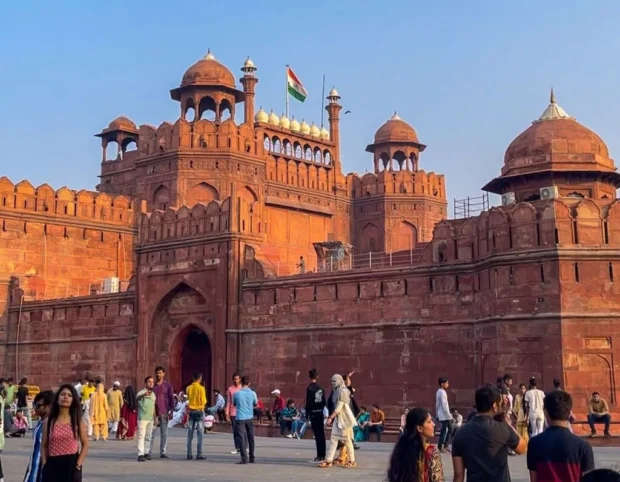
Delhi’s Red Fort stands proudly as a monumental witness to centuries of rich history, architectural grandeur, and vibrant cultural tales. This fortress, carved in the heart of India’s bustling capital, invites you to wander its vast courtyard and intricate halls, whispering stories of Mughal emperors and colonial encounters. If you seek a journey blending Delhi’s heritage with the senses of city life, history, and local flavors, the Red Fort offers an experience well worth your time, sure to resonate long after your visit.
Table of Contents
Getting to Red Fort from the City’s Core
Arriving at the Red Fort is part of the adventure. Located in Old Delhi, it lies within walking distance from the iconic Chandni Chowk market, a lively maze brimming with colors and aromas. For those coming from central parts of New Delhi, the easiest route is via the Delhi Metro’s Yellow Line. Alight at the ‘Chandni Chowk’ station, then a short walk through winding alleys leads you to the fort’s majestic gates.
If you land at Indira Gandhi International Airport, a taxi or ride-share takes roughly 45 minutes depending on traffic. Alternatively, the Metro Airport Express Line connects to the Yellow Line at New Delhi station, from where it’s just a few stops to Chandni Chowk.
Those arriving by train at New Delhi Railway Station can opt for a quick rickshaw ride or Metro journey to the fort. Public buses also ply this route regularly, offering an economical choice.
Nearby Places to Rest and Dine
Old Delhi’s maze holds numerous guesthouses and small boutique hotels that give you a taste of local life, often accompanied by delightful rooftop views overlooking the fort. For an authentic taste of Delhi’s culinary heritage, wander into nearby streets to sample specialties like paranthe (stuffed flatbreads), piping hot jalebis, and spicy chaat. The aroma of freshly ground spices and sizzling street food stalls create a lively atmosphere that enhances your visit.
Tracing the Red Fort’s Royal Roots
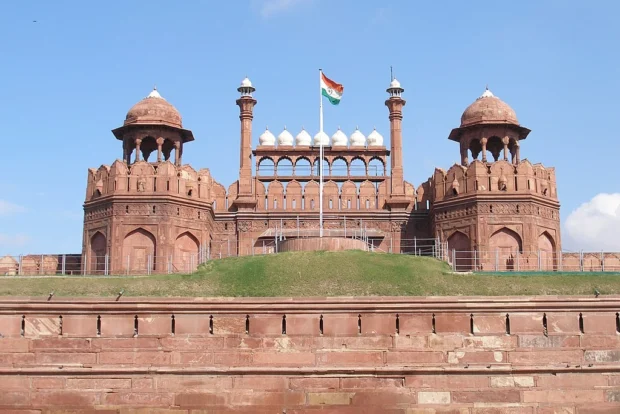
Constructed in the mid-17th century by Emperor Shah Jahan, the Red Fort, or Lal Qila, was the imperial residence of Mughal rulers for nearly two centuries. Its towering red sandstone walls enclose a blend of Persian, Timurid, and Indian architectural styles that reflect both opulence and strategic military design.

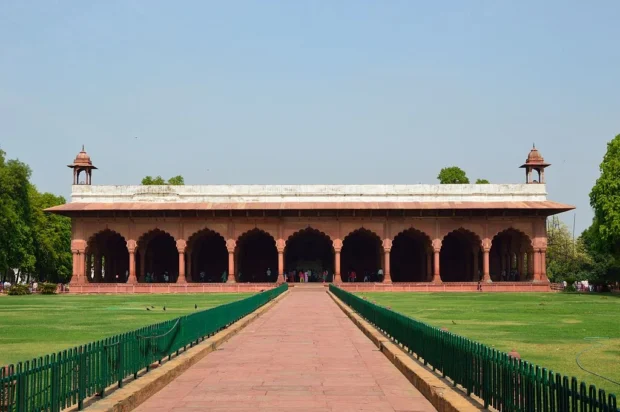
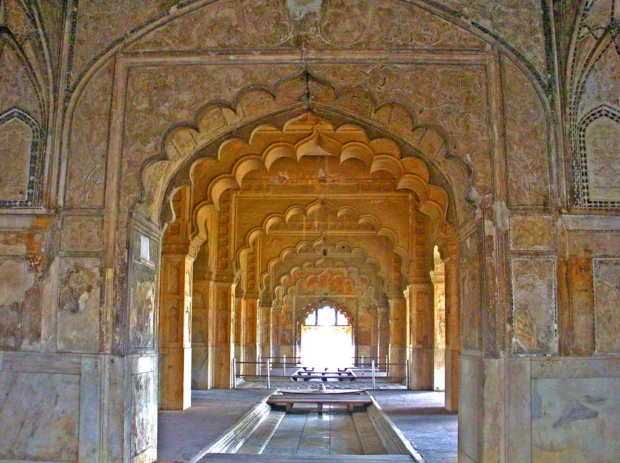
The fort was not only a palace but also a seat of governance, where emperors held court and decisions shaped the fate of empires. Its halls, such as the Diwan-i-Aam and Diwan-i-Khas, hosted public assemblies and private audiences, weaving the intricate social fabric of Mughal India.
During British colonial rule, the Red Fort served as a military base. It regained symbolic prominence post-independence, as India’s first Prime Minister unfurled the national flag here on August 15, 1947. This tradition continues annually, marking the fort as a beacon of freedom and national pride.
Quirky Facts Few Notice
- The fort’s layout subtly incorporates geomantic principles, believed to harmonize cosmic energies.
- Its famous Peacock Throne, once glittering with precious gems, was lost to invaders but lives on in vivid historical descriptions.
- Subtle water channels, designed for cooling and aesthetics, run beneath some gardens and pavilions.
Best Times to Visit and Tips for Enjoying Red Fort
To truly savor the Red Fort without the crush, weekdays in the cooler months from October to March offer calm and pleasant weather. Early mornings open the gates to a tranquil atmosphere, ideal for photography as light filters through the walls and gardens.
Weekends and public holidays tend to see crowds, which can slow your pace and dim the sense of discovery. Arriving with an open mind and patience enhances the experience, letting you soak in the layers of history at your own rhythm.
Don’t miss the evening sound and light show, which narrates the fort’s story with vivid projections and music, igniting the walls with color and history.
To widen your historical journey, consider visiting the Qutub Minar, which highlights another chapter of Delhi’s rich architectural heritage.
Admission and Guided Tours
Tickets can be purchased at the entrance, but securing a spot online in advance is highly recommended during peak tourist seasons to avoid queues. Entry fees are modest, supporting upkeep of this vast heritage site
While wandering solo is rewarding, a guided tour adds depth, revealing hidden details and the fort’s nuanced heritage. Licensed guides often share anecdotes passed down through generations, enriching your visit beyond the surface.
- Audio guides are available for rent, catering to various languages.
- Group tours can be booked through official tourism platforms or reputable local agencies.
- Photography inside is allowed, but drones and tripods need prior permission.
Experiencing the Local Flavor Nearby
After stepping out of the gates, immerse yourself in the surrounding lanes where old Delhi life pulses with energy. Literary cafés and artisan shops offer a glimpse into the city’s ongoing story, where heritage and contemporary culture intertwine.
Sampling local street food here is a feast for all senses. Try the tangy tamarind water from a street vendor or sip on freshly brewed chai in a roadside stall while observing daily life unfold. These simple moments often become cherished memories of your Delhi journey.
Official Red Fort Information and Resources
For updated timings, ticket booking, and visitor guidelines, the Archaeological Survey of India maintains a dedicated website. You can access detailed information on the Red Fort official page. This site offers valuable insights including special event schedules and preservation efforts.
Planning ahead through official channels helps navigate the practicalities of your visit, ensuring a smoother and more enriching experience.
To extend your journey into royal architectures, Seville’s Alcázar Palace showcases another splendid fortress blending history with lush gardens.

Lover of cities, local cafés, and historic streets, exploring urban life with attention to architecture and culinary delights.
- Lahori Gate, Red Fort, Delhi, India – September 2014 by Rickard Törnblad on Wikimedia Commons – cc by-sa 4.0
- Delhi red fort 1 by Turjo19 on Wikimedia Commons – cc0
- Delhi, India, Red Fort Facade by Vyacheslav Argenberg on Wikimedia Commons – cc by 4.0
- Gates and Walls-Red Fort-Agra-India5341 by Diego Delso on Wikimedia Commons – cc by-sa 4.0
- Diwan-i-Am – Western Facade – Red Fort – Delhi 2014-05-13 3194 by Biswarup Ganguly on Wikimedia Commons – cc by 3.0
- Red Fort, Delhi, India 6 by ABHIJITJAWANJAL on Wikimedia Commons – cc by-sa 3.0


