

Seville, Spain holds countless treasures, but none evoke the grandeur of centuries past quite like the Alcázar of Seville. This famed palace complex draws visitors eager to admire its intricate Mudéjar architecture, lush gardens, and rich heritage steeped in royal drama. Nestled near Seville’s historic heart, the Alcázar offers a sensory journey through Andalusian artistry and culture. Whether arriving from the city center, airport, or train station, you find yourself stepping into a world where history whispers from every tile and fountain. In this guide, I’ll share insider hints on reaching this landmark, the best times to wander its courtyards, and why booking a tour here makes all the difference.
Table of Contents
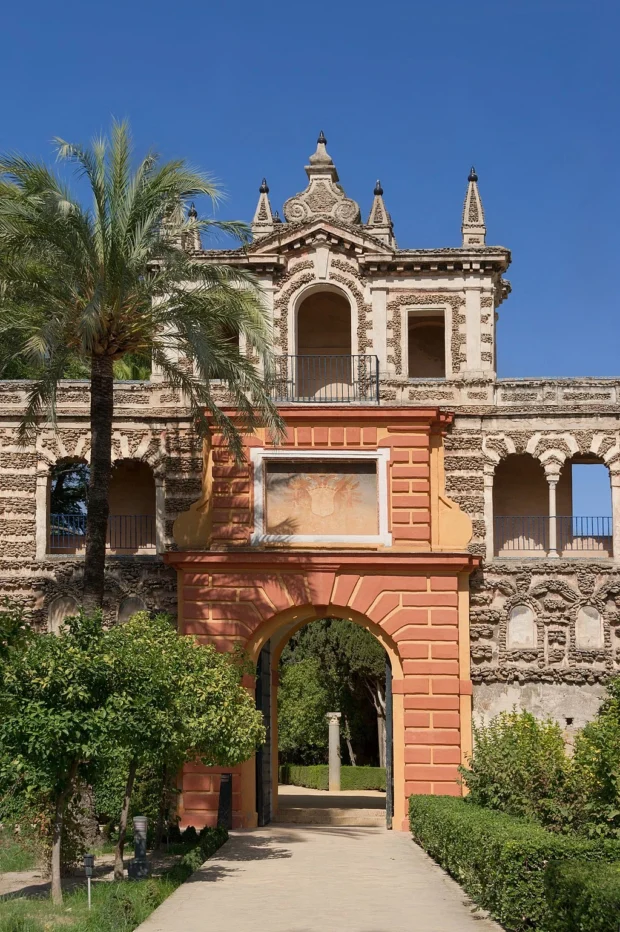
How to Reach Alcázar of Seville Easily
Getting to the Alcázar is delightfully straightforward no matter your mode of arrival. If you are coming from Seville’s Santa Justa train station, it’s about a 15-minute walk through charming streets lined with orange trees and artisan shops. For those flying into San Pablo Airport, local buses or taxis provide a scenic 20-minute ride into the city’s core, near the Guadalquivir River. From the bustling Plaza Nueva or the Cathedral area, the Alcázar lies just steps away, making it perfect for a leisurely stroll.
Once nearby, follow signs toward “Patio de Banderas,” the main entrance zone. You’ll notice how the palace’s towering walls, draped in flowering vines, gently rise above narrow cobbled lanes. The proximity to other historic gems and quaint cafés means you can easily plan a full day of exploring.
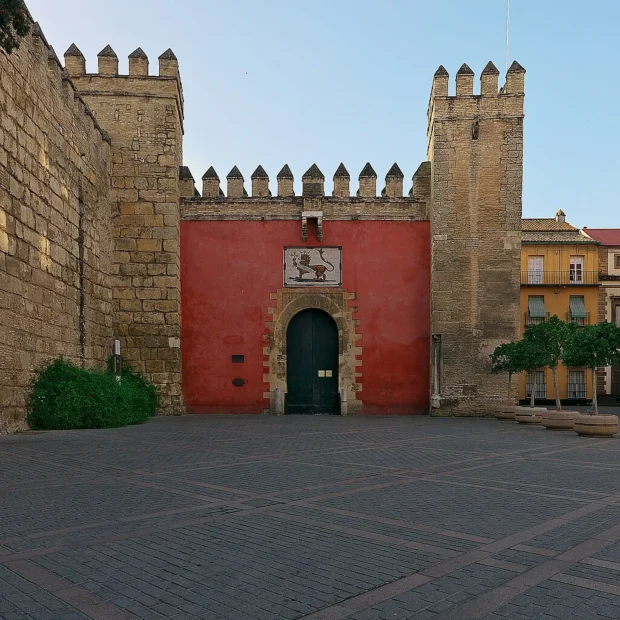
Palace Origins and Its Role Through Time
Few sites display layers of history as vividly as the Alcázar of Seville. Originally constructed as a Moorish fortress in the 10th century, it evolved into a royal palace after the Christian reconquest in 1248. Each ruler added their own touch, resulting in a marvelous blend of Islamic, Gothic, Renaissance, and Baroque influences. Walking through its halls, you feel the weight of centuries where sultans and monarchs once plotted and presided.
Beyond its function as a regal residence, the Alcázar held immense political importance. It witnessed treaties, royal weddings, and dramatic turns of fate. The famous “Salon de Embajadores” dazzles with intricate tile work and a golden dome, symbolizing the zenith of Andalusian craftsmanship and royal ambition.

Hidden Stories and Surprising Details
Did you know the Alcázar’s gardens are among the oldest royal gardens still in use in Europe? Walking through these verdant spaces offers an intimate encounter with fragrant orange blossoms, sculpted hedges, and reflective pools that once inspired poets and princes alike. If you listen closely, you might hear echoes of Moorish musicians or see the subtle scars of old battles etched into the architecture.

When to Visit for the Best Experience
Timing your visit can transform a simple tour into a magical memory. Early mornings, particularly weekdays, are the most tranquil. The light filtering through delicate arches creates perfect conditions for photography enhancing the vibrant blues, greens, and golds of the tiles and garden blooms. Avoid weekends and public holidays if possible, when crowds swell and the palace’s serenity diminishes.
Spring and autumn offer mild weather and blooming colors, making garden walks even more enchanting. Summer afternoons, though warmer, invite you to explore shaded patios and enjoy traditional café treats nearby, such as chilled gazpacho or a fresh citrus salad.
Navigating Tickets, Tours, and Reservations
Due to the Alcázar’s popularity, advanced ticket booking is highly recommended to avoid long queues. Individual tickets can be reserved online, but I suggest opting for guided tours to gain richer context. A knowledgeable guide reveals fascinating stories behind architectural details you might otherwise miss. Some tours also include after-hours visits or access to less crowded sections.
- Purchase tickets in advance on the official site to ensure entry.
- Choose tours focusing on the palace’s Mudéjar art or its gardens for a themed experience.
- Check for combined tickets including Seville Cathedral to maximize your day.
- Note that large backpacks or food are not allowed inside, so pack light.
You can find ticketing and tour options at the Alcázar’s official homepage, which is well designed and regularly updated in Spanish and English.
Nearby Places to Stay and Savor Local Flavors
Staying close to the Alcázar enriches your visit by letting you enjoy Seville’s timeless ambiance just steps away. The surrounding neighborhoods offer charming guesthouses and boutique accommodations housed in restored historic buildings. Many feature rooftop terraces perfect for sipping local vermouth while watching the sunset over the palace roofs.
When hunger calls, dive into Seville’s culinary scene. Just around the corner, traditional tapas bars serve delights like jamón ibérico, fresh cheeses, and thick slices of torta de aceite. For a heartier meal, look for classic Andalusian dishes such as cazón en adobo (marinated dogfish) or the signature salmorejo, a creamy, chilled tomato soup.
Immersing in the Alcázar’s Timeless Aura
Spending the day wandering the Alcázar’s mosaicked halls and fragrant gardens is like slipping into a painting where every detail tells a story. The delicate play of light on water basins, the gentle echo of footsteps on ancient stones, and the burst of color from elaborate tilework create a feast for the senses. My personal favorite spot is the Patio de las Doncellas, a peaceful courtyard whose reflecting pool mirrors the sky, inviting quiet reflection.
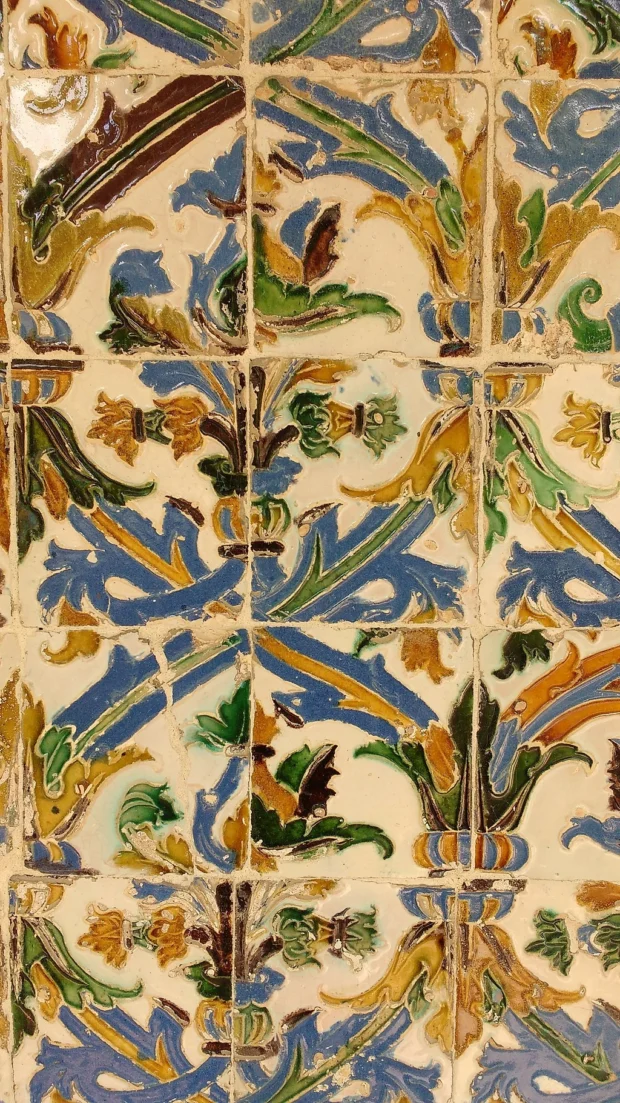
Beyond architecture, the Alcázar pulses with a cultural heartbeat festivals, local crafts, and storytelling keep its legacy alive. Nearby markets and artisan shops offer glimpses into Seville’s vibrant community traditions. For anyone drawn to culinary exploration or historic craftsmanship, the area surrounding the Alcázar provides countless moments of wonder.
Near the Alcázar, the Seville Cathedral offers a stunning journey through Gothic art and history worth exploring next.
Explorer of historic places and culinary traditions, combining landscape appreciation with food culture.
- Alcázar of Seville (7077897551) by Michal Osmenda from Brussels, Belgium on Wikimedia Commons – cc by 2.0
- Puerta del Privilegio real alcazares Seville Spain by Jebulon on Wikimedia Commons – cc0
- Puerta del León, Real Alcázar de Sevilla by José Luis Filpo Cabana on Wikimedia Commons – cc by 4.0
- Alcázar Seville April 2019-7 by Alvesgaspar on Wikimedia Commons – cc by-sa 4.0
- JardinLasDamas Alcazar Seville by Martinvl on Wikimedia Commons – cc by-sa 4.0
- Alcázar of Seville (40811824633) by দেবর্ষি রায় on Wikimedia Commons – cc by-sa 2.0
.jpg)


.jpg)