
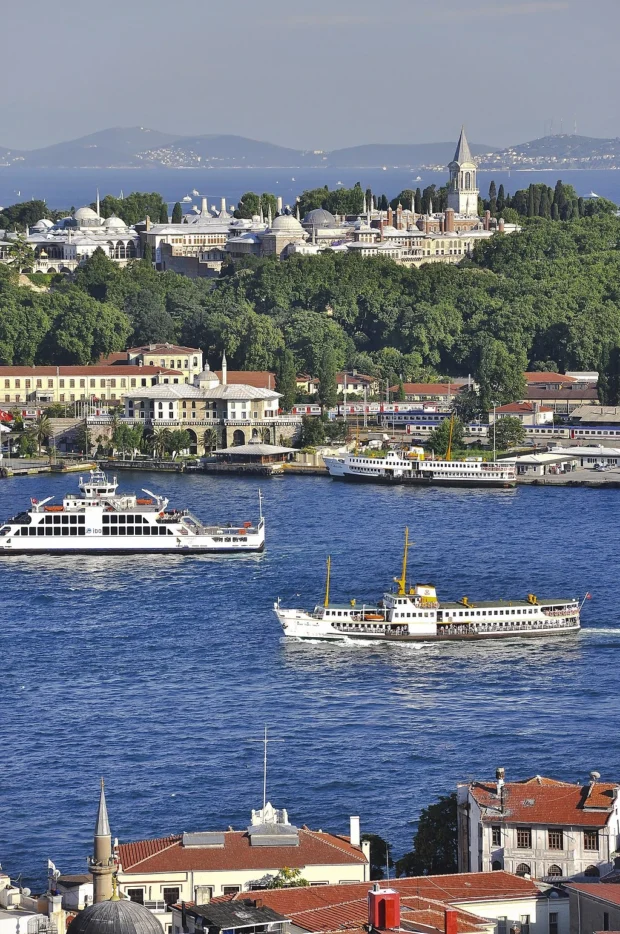
Walking through Istanbul, where Europe and Asia embrace over the Bosphorus, the Topkapi Palace opens as a portal into the heart of Ottoman splendor. This grand palace, perched on the historical peninsula with views over the Golden Horn and the Sea of Marmara, invites visitors to witness centuries of imperial life, intricate mosaics, and hidden courtyards. Steeped in stories from one of the most influential empires of the Near East, the Topkapi Palace is an essential landmark for cultural mapping enthusiasts, architectural admirers, and anyone curious about the nexus between trade routes and royal spectacle in the Eastern Mediterranean.
Table of Contents
A Walk Through Time: The Historical Significance of Topkapi Palace
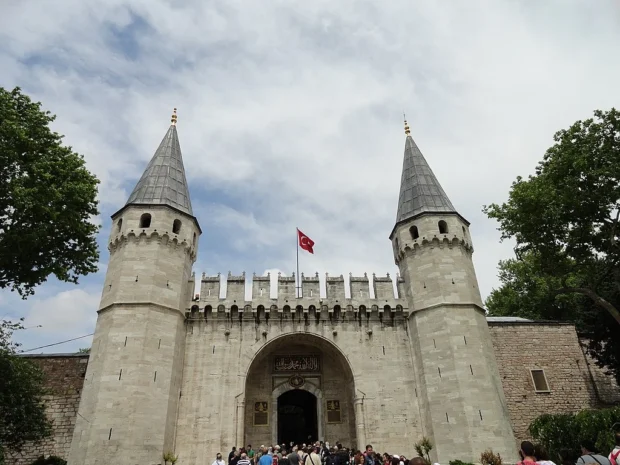
Constructed shortly after the Ottoman conquest of Constantinople in 1453, the Topkapi Palace served as the administrative center and residence of sultans for nearly 400 years. Architecturally, it blends influences from Byzantine, Islamic, and Ottoman traditions, reflecting the crossroads nature of Istanbul itself. Beyond its stone walls, the palace was a hub for medieval castles’ diplomatic exchanges, religious monument guardianship, and restoration practices that enriched the city’s cultural landscape. The archives and treasury rooms preserve remnants of the empire’s vastness and the precious stones of historic trade routes, alongside exquisite ceramics and textiles that narrate tales of old bazaar merchants and court artisans.
From Fortress to Royal Court
The palace’s name, “Topkapi” meaning “Cannon Gate,” harks back to the cannon that defended its walls, a reminder of the military prowess behind the empire’s expansion. Exploring the sprawling courtyards, you feel the echo of oral traditions—whispers of sultans, viziers, and eunuchs who shaped moments of power and intrigue. The careful stone architecture and mosaics reveal layers of restoration, offering a living dialogue between past and present for those interested in archaeological conservation.

How to Reach Topkapi Palace from Istanbul’s Heart
Topkapi Palace lies within walking distance of the Sultanahmet district, easily accessible from Istanbul’s city center. If arriving from Istanbul Airport, the journey generally involves a taxi or shuttle to central Sultanahmet, taking around 45 minutes depending on traffic. From the main train station, Sirkeci, it’s a brief walk or tram ride along the historic peninsula.
- Take the T1 tram line to Sultanahmet stop for the closest access.
- Walking from Hagia Sophia or the Blue Mosque is a pleasant 5-10 minute stroll through historic streets.
- Consider a ferry ride arriving at Eminönü for splendid views of the Golden Horn before a short tram or taxi ride.
Planning Your Visit: Best Times and Practical Advice
Visiting Topkapi Palace early in the morning on a weekday lets you avoid long lines and crowds, especially during spring and autumn when Istanbul’s weather is mild and inviting. The palace closes on Tuesdays, so plan accordingly. Afternoon visits during weekends tend to be busier, but the slower light enhances the palace’s atmospheric courtyards and gardens. Booking tickets online prior to arrival is advisable to bypass queues, especially for the Harem section, which requires a separate ticket.
What to Bring and Be Prepared For
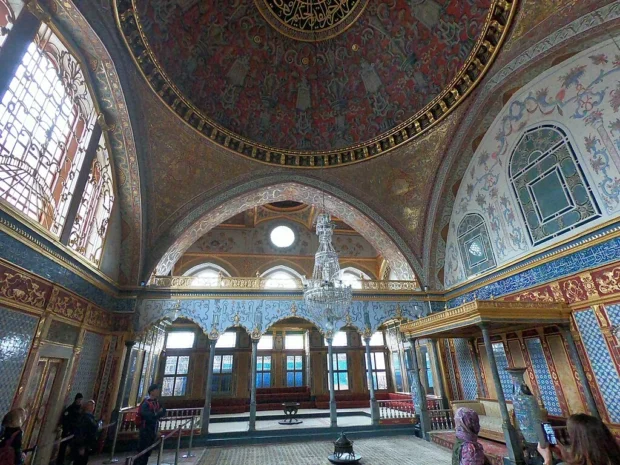
Wear comfortable shoes suitable for uneven stone surfaces and courtyards. Photography is allowed in most areas, but flash and tripods are prohibited, preserving the delicate mosaics and manuscripts on display. Don’t miss the treasury’s dazzling jewels, including the famous Topkapi Dagger and Spoonmaker’s Diamond. Allow yourself at least three to four hours for a thorough exploration, including a visit to the Imperial Harem, where the private lives of sultans and their families unfold in a labyrinth of secret passages and decorative tiles.

Taste and Stay Nearby: Local Flavors and Accommodation
After immersing yourself in the palace, the vibrant Sultanahmet neighborhood offers many opportunities to savor traditional Turkish cuisine. Try a plate of warm pide or sip on freshly brewed Turkish tea at a nearby café. The aroma of spices from the bazaars and street vendors blend with the sound of the call to prayer, creating an unforgettable sensory experience. Accommodations range from quaint guesthouses to modern boutique hotels echoing Ottoman design motifs, placing visitors steps away from the city’s historical heart and along well-trodden paths of cultural landscapes.
Guided Tours and Reservation Essentials at Topkapi Palace
Many travelers find that guided tours enrich their experience, unveiling ethnographic notes and anecdotes not found on placards. Official guides offer insights into the palace’s role along historic trade routes and the layers of cultural identity that the Ottoman court embodied. Group tours, audio guides, and private guides can be reserved in advance, enhancing appreciation for the stone architecture, religious artifacts, and exquisite mosaics.
Reservations are particularly important for the Harem section and special exhibitions, which have limited daily visitor numbers. Tickets can be secured online through the palace’s official website, ensuring a smooth entry and access to exclusive areas.
Official Source for Comprehensive Visitor Information
For the most current information on opening hours, ticket prices, and special exhibitions, consult the palace’s well-designed official website. This resource provides updates on restoration works, guided tours, and visitor protocols, essential for planning a seamless visit.
Final Reflections: A Living Chronicle at Topkapi
Stepping into Topkapi Palace is akin to leafing through a living manuscript of the Ottoman epoch. Each chamber and garden narrates intersecting stories of power, artistry, and daily life. It is both an archaeological site and a vibrant cultural landscape still resonant with the rhythms of Istanbul’s ancient trade routes and the echoes of diverse peoples who passed through this eastern Mediterranean crossroads.
I remember pausing on the throne room’s marble steps, feeling the weight of centuries beneath my feet and imagining the intricate handwoven textiles and vibrant ceramics that once adorned these halls. For those who cherish the physical traces of history and the intangible spirit of place, Topkapi Palace offers an unparalleled window into a world where the past does not merely rest but lives on.
For a broader sense of Istanbul’s living history beyond the palace walls, the Step Into Istanbul article offers a rich walk through the city’s vibrant streets and timeless landmarks.

Explorer of historical towns, ancient ruins, and traditional markets, combining modern travel with interest in heritage.
- View of Topkapı Palace from the Galata Tower, Istanbul, Turkey 001 by Moonik on Wikimedia Commons – cc by-sa 3.0
- Topkapi Palace (Topkapı Sarayı), Istanbul, Turkey (9603571659) by l0da_ralta on Wikimedia Commons – cc by 2.0
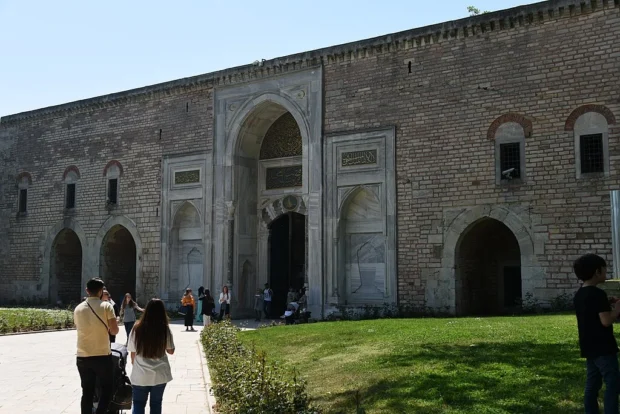
- The Imperial Gate (Bâb-ı Hümâyûn), Topkapi Palace, Istanbul, Turkey. Shooting from the inner (first) courtyard by Osama Shukir Muhammed Amin FRCP(Glasg) on Wikimedia Commons – cc by-sa 4.0
- Turkey-3089 (2217259580) (2) by Dennis G. Jarvis on Wikimedia Commons – cc by-sa 2.0
- Topkapi Palace, Istanbul (52116768973) by Ninara on Wikimedia Commons – cc by 2.0
- Topkapi Palace Harem (49038519208) by SF Peninsula Backwoods Explorer from Pacifica, usa on Wikimedia Commons – cc by-sa 2.0

,_Istanbul,_Turkey_(9603571659).jpg)
,_Topkapi_Palace,_Istanbul,_Turkey._Shooting_from_the_inner_(first)_courtyard.jpg)
_(2).jpg)
.jpg)
.jpg)