
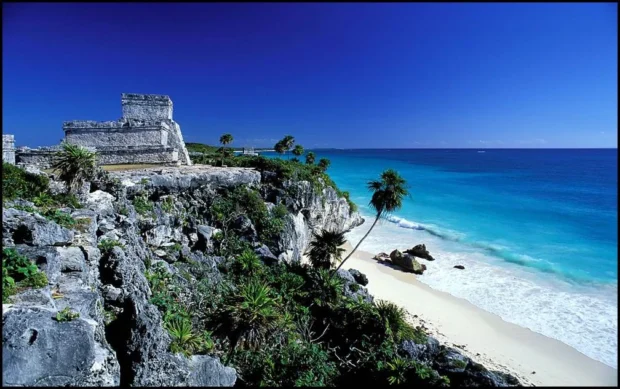
Situated along the sunbathed shores of the Mexican Caribbean, Tulum Ruins stand as a silent guardian of history, culture, and the profound mysteries of the Maya civilization. This coastal archaeological site near Tulum, Mexico, invites curious minds to walk along stone paths where rulers once directed vibrant ceremonies and commerce. As the breeze from the turquoise sea sweeps through palm trees and weathered temples, one can almost hear echoes of past rituals and market chatter. Tulum ruins is where the past meets the present in an unforgettable dance between nature, history, and human spirit.
Table of Contents
Getting to Tulum Ruins: Simple Routes and Scenic Drives
Reaching Tulum Ruins from the town center is straightforward and offers glimpses of Yucatán’s rural charm. Located about 3 kilometers south from downtown Tulum, the site is easily accessible by bicycle, taxi, or local bus. Riding a bike along the quaint beachroad is not only eco-friendly but allows stops to admire coastal views and street vendors selling fresh fruit and artisan crafts.
From Cancun International Airport, visitors typically journey south towards Tulum, with many opting for private shuttle services or car rentals. The drive takes approximately 1 hour and 45 minutes on Highway 307, part of the scenic corridor linking the Riviera Maya’s highlights. Public buses from Playa del Carmen to Tulum are also available, offering budget travelers an authentic local ride.
Walking Through Time: The Rich Legacy of Tulum Ruins
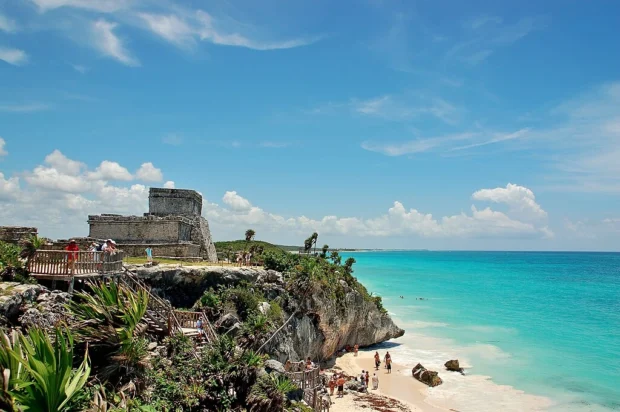
Perched dramatically atop limestone cliffs overlooking the Caribbean Sea, Tulum was a thriving port and defensive fortress of the Maya between the 13th and 15th centuries. Unlike many inland cities, Tulum’s waterfront location was strategic for trade routes connecting Central America with the Yucatán Peninsula.

The site’s iconic structure, El Castillo, served as a lighthouse guiding canoe fleets navigating the coral reefs below. The entire complex reveals storybooks etched in stucco murals and stone carvings, some illustrating ceremonial practices and celestial observations. Tulum was one of the last Maya cities to flourish before the arrival of European explorers, preserving insights into Maya’s dedication to astronomy, spirituality, and social order.

Customs and Ceremonies Echoed in Stone
Many of the temples’ walls bear artistic representations linked to Maya cosmology and rituals. Critical community rites that emphasized harmony with nature and cycles of life found venues here. For example, offerings of pottery, food, and textiles were common, believed to invoke the favor of deities associated with rain, fertility, and the harvest.

Best Time and Day to Visit Tulum Ruins
Choosing the right moment for a visit enhances the experience greatly. Early mornings right when the site opens at 8 AM allow one to enjoy the ruins in serene solitude before crowds arrive. The soft morning light also brings out the colors in stone and sea, perfect for photos.
Weekdays tend to be less crowded compared to weekends when tour groups swell the pathways. Visiting during the dry season from November to April is advisable to avoid heavy rains, keeping the footpaths manageable and the air clear for ocean views.
Tour and Reservation Details: What You Should Know
Entrance tickets can be purchased onsite, but arranging guided tours in advance unlocks deeper stories behind the ruins. Certified guides share knowledge of Maya folklore, social customs, and architectural nuances often overlooked by casual visitors.
Group tours generally depart from Tulum town or nearby hotels and include safe transportation to and from the site. Engaging a guide is not mandatory but enriches comprehension of the site’s importance in cultural anthropology and heritage preservation.
As of today, no strict reservation policy is enforced; however, buying tickets early online or via your tour operator can preempt lines during tourist high seasons.
For more information and official updates, visit the National Institute of Anthropology and History – Tulum.
Comfort and Flavors Near Tulum Ruins
Though no hotels sit immediately next to the ruins, the town of Tulum offers a wide range of accommodation options, from charming eco-lodges surrounded by jungle to boutique stays steps away from the beach. This variety suits travelers looking for restful nights after immersive days among ancient stones.
Culinary delights abound in local eateries specializing in Yucatecan cuisine. Sampling dishes like cochinita pibil (slow-roasted pork) and freshly made tamales while listening to subtle traditional melodies provides a sensory complement to the day’s historical journey.

Important Visitor Tips to Enhance Your Day
- Wear comfortable shoes suited for walking on uneven and sometimes rocky paths.
- Carry water and sunscreen; shade is limited within the archaeological zone.
- Respect site rules by not climbing the structures, preserving them for future generations.
- Bring a camera, but avoid using flash to protect the ancient pigments.
- Consider hiring a knowledgeable local guide to learn about rituals, music heritage, and crafts connected to the site.
Final Reflections: What Makes Tulum Ruins Enduringly Captivating
Tulum Ruins are more than an impressive collection of ancient stones; they represent a crossroads where geography, spirituality, and society merged gracefully. Walking the shaded paths, I felt the palpable connection between the Maya’s ceremonial dances and modern efforts to keep their legacy alive through community rituals and artisan workshops nearby.
For a contrasting glimpse into history, explore the Tower of London, where royal stories and medieval architecture await.
Visiting this spectacular locale is an invitation to contemplate human ingenuity combined with deep reverence for natural cycles. As a traveler passionate about social customs, folk music, and ceremonial practices, I find Tulum resonates not just as a tourist destination but as a vibrant echo of living heritage.
For a change of pace with lively waterfronts and timeless city rhythms, Izmir’s vibrant seafront walk offers a refreshing contrast to Tulum’s quiet ruins.

Anthropologist and traveler admiring local customs, festivals and traditional arts.
- Travel Tulum The historical ruins with wonderful beaches in Mexico-1 by Tourismlandscapes on Wikimedia Commons – cc by-sa 4.0
- 2006-07-28 castillo de tulum by Matthias Bethke on Wikimedia Commons – cc by-sa 4.0
- Beach at Tulum Ruins – panoramio (2) by ogwen on Wikimedia Commons – cc by-sa 3.0
- El Castillo, Tulum (14179254469) by Arian Zwegers from Brussels, Belgium on Wikimedia Commons – cc by 2.0
- Templo de las Pinturas, Tulum, Quintana Roo, Mexico – 20130905-05 by Jacklee on Wikimedia Commons – cc by-sa 4.0
- GiorcesTulum1 by Giorces on Wikimedia Commons – cc by 2.5


.jpg)
.jpg)

