

Vatican City’s St. Peter’s Basilica stands as a beacon of faith, art, and architectural brilliance. Nestled within the world’s smallest independent state, the basilica commands attention not only for its sacred role but also for its breathtaking design and cultural significance. Visitors from around the globe flock here, drawn by its towering dome, intricate mosaics, and the profound history embedded in every stone. If you imagine wandering through vast squares, beneath soaring columns, or admiring sculptures by Renaissance masters, this place offers a truly immersive experience that combines spirituality with human achievement. Whether strolling from Rome’s city center or arriving by train or plane, the basilica invites all with open arms to witness its grandeur firsthand.
Table of Contents

Arriving at the Basilica: Paths Through Vatican City
Approaching St. Peter’s Basilica is part of the journey itself. From Rome’s city heart, the most common route is a short taxi ride or a scenic walk along the Tiber River towards Vatican City’s walls. For those arriving from Rome’s airports Fiumicino or Ciampino shuttle buses and taxis provide straightforward access to the city center, from where Rome’s efficient metro Line A leads to Ottaviano or Cipro stations, both within a 10-15 minute walk to the basilica.
If you take the train to Roma Termini, the central railway station, the metro remains the easiest option. From Ottaviano station, a leisurely stroll along Via Ottaviano and through the elegant Borgo district delivers you to the iconic St. Peter’s Square. Once there, the enormous colonnade welcomes visitors with a solemn yet inviting embrace, unfolding the basilica’s façade like a grand theatrical curtain.
Nearby accommodations, often tucked in charming Roman neighborhoods such as Prati, present a quiet retreat after the day’s exploration. These areas also teem with trattorias and cafés offering traditional Roman culinary delights think fresh pasta, wood-fired pizza, and gelato served on sunlit terraces.
St. Peter’s Basilica: A Living Chronicle of Faith and Art
The genesis of St. Peter’s Basilica traces back to the early 4th century under Emperor Constantine, who commissioned the first major church above what was believed to be the tomb of Saint Peter, one of Jesus’s apostles and the first pope. The present basilica, however, took shape over the course of the 16th and early 17th centuries, emerging as a masterpiece of Renaissance and Baroque architecture.
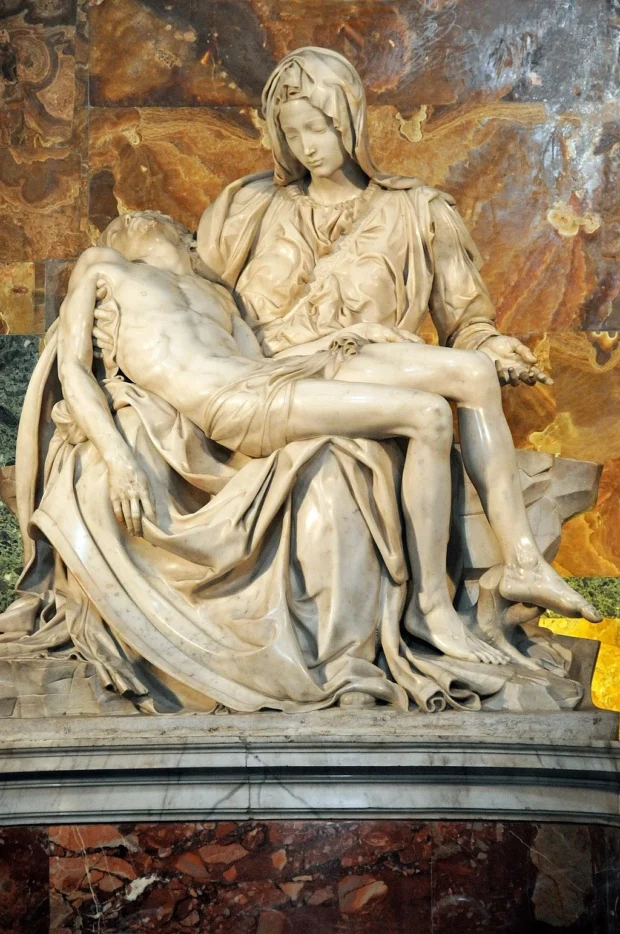
Behind its formidable façade, the basilica shelters treasures crafted by luminaries including Michelangelo, whose design of the dome remains a landmark of architectural ingenuity. Bernini’s colonnade in St. Peter’s Square, a monumental symbol of hospitality, frames the basilica with a rhythmic embrace, guiding pilgrims into the spiritual core. Beneath the high altar lies the Confessio, a sacred space marking Saint Peter’s burial place, adding layers of devotional significance to the grand space.
Every element from the soaring columns and marble inlays to the gilded ceilings and stained glass speaks to a centuries-long narrative of faith, art, and human aspiration. The basilica’s evolution mirrors Rome’s own layered history, where pagan, Christian, and Renaissance influences converge in a harmonious dialogue.
Plan Your Visit: Timing and Reservations
To truly appreciate the basilica’s grandeur, timing your visit carefully makes all the difference. Early mornings on weekdays, especially Tuesday through Thursday, offer relative calm before the arrival of tour groups and crowds. Avoid weekends and religious holidays when the site fills with worshippers and tourists alike, making navigation slower and less contemplative.
Entrance to the basilica itself is free, yet lines can be lengthy. To bypass these queues, consider booking a guided tour or skip-the-line ticket in advance. These services often include detailed explanations of the art, architecture, and history, enriching the visit immensely. Access to the dome requires a separate ticket and either an elevator ride followed by stairs or full stair ascent both rewarding with panoramic views over Vatican City and Rome’s rooftops.
Security checks at the entrance are routine; visitors should be prepared for moderate waits and adhere to dress codes that respect the sacred setting covered shoulders and knees are mandatory.
Booking Tours and Special Access
Official tours and reservation systems are managed through the Vatican’s well-designed website, where you can secure entrance tickets, book audio guides, or arrange specialized tours such as the Vatican Grottoes or the Necropolis below the basilica. The site provides detailed visitor information and calendar updates, essential for making the most of your trip.
Learn more or book your visit on the official Vatican website.
Architectural Marvels: Details You Should Not Miss
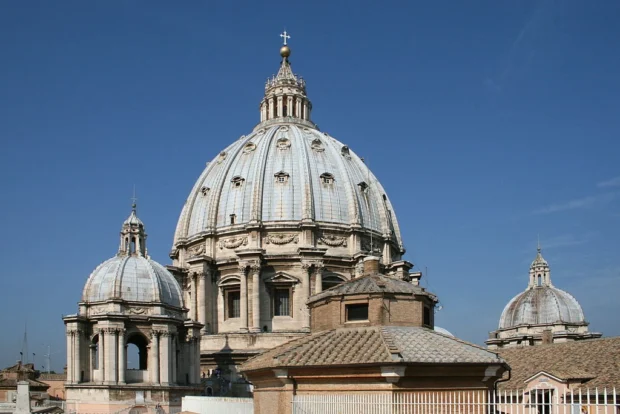
Walking inside the basilica, the eye is drawn immediately upward to Michelangelo’s dome, a feat of engineering that commands the skyline. Its double-shell design was revolutionary, allowing light to flood the interior while maintaining structural stability. The dome’s interior mosaics illustrate biblical scenes with vibrant color and intricate detail, inviting extended contemplation.
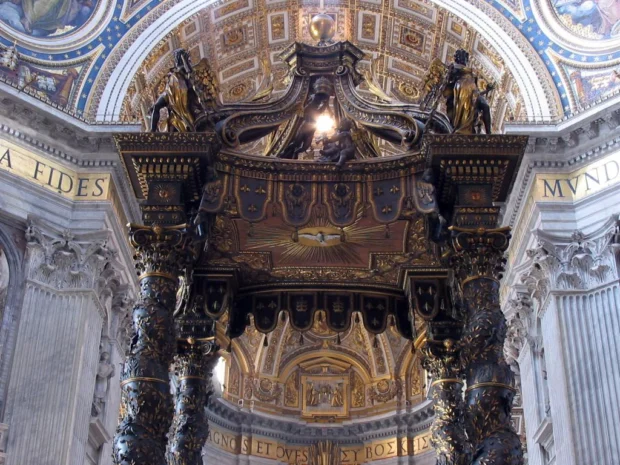
Bernini’s Baldachin, a towering bronze canopy over the main altar, combines sculptural drama with symbolic authority, marking the spiritual heart of the church. Nearby, the statue of Saint Longinus, with eyes cast heavenward, embodies Baroque emotion and theatricality.
Wandering through chapels along the nave, one encounters masterpieces by artists such as Raphael and Caravaggio, each space offering a unique dialogue between spirituality and artistic expression. The play of natural light and shadow across gilded surfaces and marble textures creates a dynamic sense of movement, evoking a transcendent atmosphere often missed in quick tours.
Beyond the Basilica: Savoring Vatican City and Roman Life
After marveling at the basilica, take time to wander St. Peter’s Square, where the elliptical design invites visitors to pause and reflect amidst the rhythmic columns. Nearby, Vatican Museums hold another treasure trove of Renaissance and classical art, including the Sistine Chapel ceiling painted by Michelangelo a separate ticketed experience well worth planning.
For a broader look at Vatican City’s vast cultural treasures and daily life around its famous sites, consider reading about the Vatican Museums and the Sistine Chapel in our detailed Vatican City journey.
Local street markets and eateries just outside the Vatican walls offer authentic Roman cuisine. Indulge in simple pleasures such as a slice of pizza al taglio or fresh pasta carbonara, complemented by a glass of Italian wine in a lively piazza. These moments ground your visit in the rhythms of daily life, a perfect balance to the basilica’s elevated grandeur.
For those with a keen eye for architecture, the surrounding Borgo district showcases elegant Renaissance palazzos and narrow lanes, providing abundant photography opportunities that highlight urban morphology and historical layering.
Final Thoughts: A Visit that Transcends Time
St. Peter’s Basilica is more than a church; it is a testament to human creativity, spiritual devotion, and architectural mastery. Every visit opens a window into centuries of history, art, and faith woven together with remarkable craftsmanship and timeless beauty. Whether you come to admire its dome, contemplate its sacred relics, or simply to stand in a place where history and spirit converge, the basilica offers an experience that lingers long after leaving its marble thresholds.
For those captivated by St. Peter’s artistic grandeur, the Sistine Chapel’s murals and spiritual ambiance provide a perfect continuation of Vatican City’s creative heritage.
- Dome of St. Peter view from Via San Lucio by Livioandronico2013 on Wikimedia Commons – cc by-sa 4.0
- Italy-3239 – The Pieta by Michelangelo (5392914258) by Dennis Jarvis from Halifax, Canada on Wikimedia Commons – cc by-sa 2.0
- 0 Dôme basilique St-Pierre – Rome 2 by Jean-Pol GRANDMONT on Wikimedia Commons – cc by-sa 3.0

.jpg)
