

Beijing’s Temple of Heaven holds a special place in the city’s vast tapestry of cultural heritage, ancient architecture, and spiritual significance. Nestled in the heart of China’s sprawling capital, this 600-year-old complex invites visitors to wander beneath its soaring, celestial-blue roofs and immerse themselves in the delicate balance of tradition, symbolism, and ritual. Whether you arrive from the bustling city center or after a long flight, the Temple of Heaven offers a vivid glimpse into imperial worship, surrounded by serene gardens and ancient pine trees.
Table of Contents
How to Arrive at the Temple of Heaven
Getting to the Temple of Heaven is straightforward from most parts of Beijing. The site lies approximately 4 kilometers south of Tiananmen Square, making it easily accessible from the historic city center.
- By Subway: Take Line 5 and disembark at Tiantan East Gate Station (Temple of Heaven East Gate). From here, it’s a brief walk to the eastern entrance of the park.
- From Beijing Capital International Airport: The Airport Express train connects to the city’s subway network. Transfer to Line 5 at Dongzhimen and continue south to Tiantan East Gate Station.
- By Taxi: A taxi ride from the city center will typically take 15-30 minutes depending on traffic, offering convenience especially with luggage.
Nearby accommodations range from traditional guesthouses inspired by Beijing’s hutong style to comfortable modern hotels. Many visitors appreciate staying near Wangfujing or the Dongcheng district, both lively neighborhoods brimming with cultural activities and excellent local dining.
Unearthing Layers of Significance at the Temple
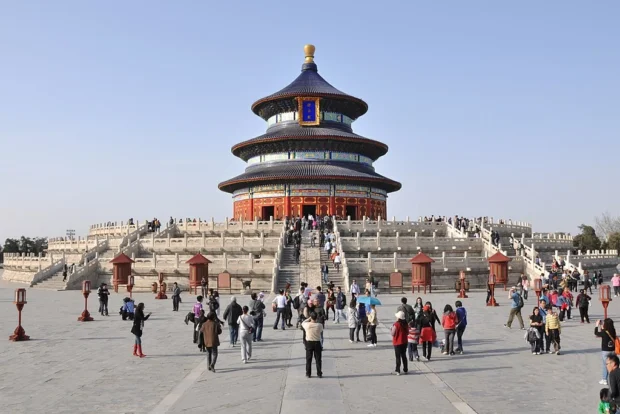
The Temple of Heaven was constructed in the early 15th century, during the Ming Dynasty, as a sacred place where emperors performed ceremonies to pray for good harvests. Its design reflects profound cosmological symbolism the circular shapes embody Heaven, while the square bases represent Earth, a concept deeply rooted in Chinese philosophy.

Each structure served a precise purpose; for example, the Hall of Prayer for Good Harvests is an architectural marvel with its triple-gabled roof and wooden pillars, built entirely without nails. This building alone mesmerizes with its intricate craftsmanship and harmonious proportions, testifying to ancient builders’ ingenuity.

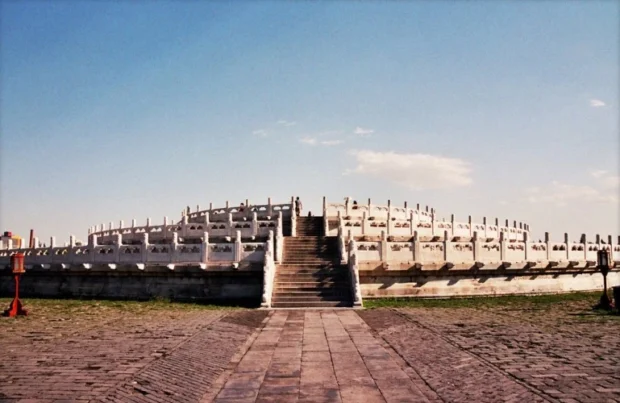
Visitors often remark on the unique acoustic design of the Echo Wall and the Circular Mound Altar, where voices carry mysteriously from one end to another. These subtle intricacies are more than curiosities; they are embodiments of a culture that values harmony between heaven and earth.
Spiritual and Cultural Importance
Even after the imperial rituals ended, the Temple of Heaven remains a living monument. Locals use the expansive park grounds for tai chi, kite flying, traditional music, and social gatherings. This blending of spirituality and daily life enriches any visit, offering moments of quiet reflection amid the gentle buzz of the city.
Optimal Visit Timing and Planning
Choosing the right time to visit the Temple of Heaven enhances the experience profoundly. Early mornings during weekdays provide a peaceful atmosphere, where one can witness local residents practicing morning exercises or playing traditional instruments.
Spring and autumn are ideal seasons thanks to mild weather and beautiful foliage the maple trees’ reds and the ginkgo’s gold create enchanting surroundings. Avoid weekends and public holidays if you prefer to explore without crowds.
Seasonal festivals, such as the Winter Solstice ceremony reenactments, offer cultural insights but attract many visitors, so plan accordingly.
Entry, Tours, and Reservations
Access to the Temple of Heaven requires an entrance ticket, which includes admission to the main grounds and the Hall of Prayer for Good Harvests. Tickets can be purchased onsite or through authorized online platforms. English is commonly spoken at main entrances, making ticketing accessible to international guests.
While walking alone offers freedom, guided tours dramatically enrich understanding by explaining the symbolism and historical context behind each feature. Many local operators offer small-group guided experiences, sometimes including bicycle rentals for easier exploration of the extensive park.
Reservations are recommended during peak seasons, especially for guided tours or if you seek entry to restricted sections during special exhibitions. Checking the official Temple of Heaven website can provide updated visitor information and ticket options. Visit the official site by clicking Temple of Heaven official website.
Local Flavors and Dining Near the Temple
After wandering the tranquil pathways and grand halls, sampling nearby Beijing street food provides a sensory counterpoint. Just south of the temple, small vendors offer fragrant jianbing (savory crepes), freshly steamed baozi (buns), and crispy fried dough sticks. These snacks, rich with aroma and texture, offer a delicious taste of local life.
For a full meal, numerous eateries in the nearby hutong alleys serve traditional Beijing dishes such as zhajiangmian (noodles with soybean paste) and roast duck, famed for its crispy, aromatic skin and tender meat. Many restaurants focus on ingredients from nearby farms, ensuring fresh and authentic flavors.
Hidden Details and Anecdotes to Cherish
Few realize that the Temple of Heaven was built according to strict imperial regulations dictating that all wooden components come from the same species of tree, symbolizing unity and purity. The number 9 appears repeatedly throughout the complex seen in pillar counts and ring roofs reflecting its status as the emperor’s number in Chinese culture.
A delightful story tells of the ‘Heavenly Labyrinth’ the Circular Mound Altar, where whispers travel across vast open spaces, pleasing visitors who play with sound and echoes. This design not only impressed the ancient emperor but continues to fascinate curious minds today.
Nearby, quiet bamboo groves provide respite and contrast to the open ceremonial plazas, inviting visitors to linger and reflect, a perfect setting to appreciate the temple grounds beyond the spectacle.
Final Reflections on a Day at the Temple
Spending a day at the Temple of Heaven feels like stepping into a living painting, where architecture, nature, and ritual harmonize. It speaks to the heart of Beijing’s vast cultural narrative and invites visitors to connect with a tradition that transcends time. The combination of history, scenery, and daily life vibrancy ensures each visit is unique and memorable.
Whether your interest lies in ancient craftsmanship, spiritual heritage, or simply walking amid beauty, the Temple of Heaven offers surprising delights at every turn. A slow, mindful visit here rewards those willing to pause and absorb the delicate balance between heaven, earth, and human endeavor that defines this magnificent site.
To complement your visit to the Temple of Heaven, consider immersing yourself in Beijing’s overall architecture and urban rhythm by visiting the Architectural Rhythm in Beijing post for a broader perspective.
A Chinese tour guide with deep knowledge of the Far East, its traditions, and culinary secrets.
- Pékin Le temple du Ciel by Pierre André Leclercq on Wikimedia Commons – cc by-sa 4.0
- Beijing 2006 3-1 by G41rn8 on Wikimedia Commons – cc by-sa 4.0
- Hall of Prayer for Good Harvests, Beijing by 钉钉 on Wikimedia Commons – cc by-sa 4.0
- CircularMound by Ian and Wendy Sewell on Wikimedia Commons – cc by-sa 3.0


