

Tokyo, a city where ancient traditions intertwine with cutting-edge innovation, invites you to witness its iconic ambition at the Tokyo Skytree. Standing proudly as the tallest tower in Japan and the second tallest structure worldwide, Tokyo Skytree is not only a breathtaking vantage point but also a symbol of modern Tokyo’s resilience and elegance. For travelers drawn to Japan’s capital, this architectural marvel offers panoramic city views, rich cultural context, and nearby experiences that will deepen your understanding and enjoyment of Tokyo’s diverse character. In this guide, we’ll navigate directions, visitor tips, the tower’s background, and how to make the most of your visit, ensuring you step into a seamless, memorable journey.
Table of Contents

Finding Your Way to Tokyo Skytree with Ease
Located in Sumida Ward, northeast of Tokyo’s bustling city center, Tokyo Skytree is accessible through a network of convenient public transportation options, making it straightforward for visitors coming from various points.
To reach Tokyo Skytree:
- Take the Tokyo Metro Hanzomon Line or the Toei Asakusa Line to Oshiage Station, which is directly connected to the tower’s base.
- Alternatively, the Tokyo Skytree Station on the Tobu Skytree Line also drops you right at the foot of the tower.
- From Tokyo Station, the journey typically takes about 30 minutes by train, making it a convenient day trip from most central locations.
- If arriving from either Narita or Haneda Airport, you can use the airport express trains combined with the above lines, or take a direct limousine bus to major Tokyo stations and transfer accordingly.
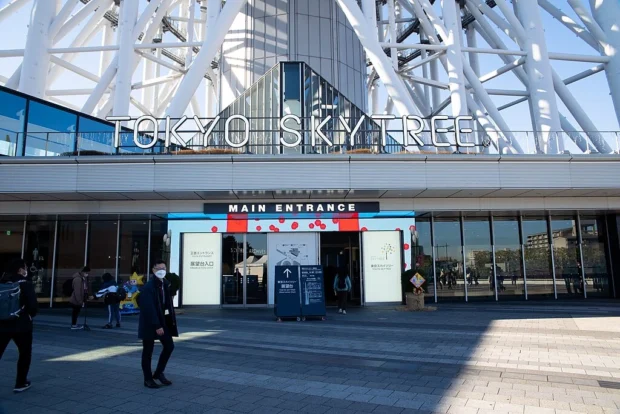
Walking around the Skytree area, you’ll discover charming streets filled with small eateries and shops, perfect for a leisurely stroll before or after your tower visit.
Timings and Tips for a Serene Visit
The best experience at Tokyo Skytree often depends on timing. Early mornings tend to be quieter, offering an unhurried atmosphere to absorb the views and intricate design details. Weekdays, especially Tuesday through Thursday, typically see fewer crowds compared to weekends and national holidays.
For those enchanted by cityscapes at twilight, arriving an hour before sunset allows you to witness the transformation from daylight to the city’s luminous nighttime glow. Evening visits provide a spectacular spectacle as Tokyo’s sea of lights dances beneath you.
Tickets can be purchased at the site, but to avoid long waits, especially during peak seasons such as cherry blossom viewing or Golden Week, it’s advisable to book your tickets in advance online.
The Story Behind Tokyo Skytree’s Grandeur
Tokyo Skytree was completed in 2012, rising to a height of 634 meters (2,080 feet). Its design balances seismic safety a crucial factor in earthquake-prone Japan with aesthetic grace inspired by traditional Japanese architecture. The tower’s name, “634,” is pronounced musashi, a nod to the historic Musashi Province that once encompassed the Tokyo area.
As a broadcasting tower, it replaced the aging Tokyo Tower’s role in digital television transmission, serving as a critical communication hub for the metropolis.
Beyond technical functionality, Tokyo Skytree embodies Tokyo’s spirit: a marriage of legacy and futurism, standing tall as a cultural symbol and an artistic achievement.
If you appreciate towering city icons, the Hollywood Sign’s story and views offer a vibrant contrast to Tokyo Skytree’s modern silhouette.
Planning Your Visit: Tours and Reservations
The Tokyo Skytree complex offers several ticket options, including access to two observation decks:
- Tembo Deck at 350 meters – a glass-paneled observation floor with panoramic city views.
- Tembo Galleria at 450 meters – a spiraling corridor that feels like walking into the sky, offering stunning perspectives from a dizzying height.
Reservations for specific time slots are recommended, especially for the Tembo Galleria, as capacity is limited. Online booking enables you to pick your preferred date and time, ensuring a smooth arrival experience. Tickets include options for combined packages that feature the Sumida Aquarium or the Postal Museum located within the same complex.
Guided tours are available, providing insights into the tower’s engineering, design philosophy, and local history, perfect for those eager to delve deeper beyond the views.
Nearby Places to Stay and Savor Local Flavors
Several accommodation choices surround Tokyo Skytree, ranging from boutique guesthouses to modern business hotels, catering to a variety of budgets. Staying nearby places you within easy walking distance of the tower and the charming Sumida Riverbanks, ideal for evening river cruises or peaceful morning walks.
The Skytree Town complex includes Solamachi, a shopping area with over 300 shops and restaurants. Here you can relish traditional Japanese street food such as:
- Senbei (rice crackers) with savory or sweet coatings.
- Monjayaki, a Tokyo specialty similar to okonomiyaki but with a thinner batter, cooked right at your table.
- Freshly made taiyaki, fish-shaped cakes filled with red bean paste or custard.
The nearby neighborhood also features small izakayas (Japanese pubs) and cafés where locals gather, offering authentic dining experiences beyond tourist menus.
Unseen Quirks and Cultural Insights
Many visitors miss the subtle architectural nods in the Skytree’s design. Its latticed steel frame echoes the elegance of traditional Japanese woodworking techniques, while the shape of the tower’s base resembles an old samurai sword’s guard, grounding the modern structure in Japan’s storied past.
Also worth noting is the lighting design. At night, the tower shifts between two lighting themes inspired by “iki” (a chic, sophisticated aesthetic) and “miyabi” (an elegance rooted in classical Japanese beauty), softly illuminating the Tokyo skyline in a poetic dance of light and shadow.
Nearby, Sumida Park offers seasonal floral displays, from cherry blossoms in spring to colorful foliage in autumn, creating a harmonious natural counterpoint to the urban spectacle of the Skytree.
To appreciate Tokyo’s rich history, Senso-ji Temple and its surroundings offer a serene glimpse into the city’s spiritual traditions near the Skytree area.
Official Information Source
For comprehensive details, booking options, and the latest updates, please visit the official Tokyo Skytree website: Tokyo Skytree Official Site.
After admiring Tokyo from above, consider a visit to Osaka Castle to explore Japan’s historic and cultural heartbeat in a different city.
A Chinese tour guide with deep knowledge of the Far East, its traditions, and culinary secrets.
- 2019 Tokyo Skytree by Kakidai on Wikimedia Commons – cc by-sa 4.0
- 20240117 Tokyo Skytree 10.32.37 by Matthide127 on Wikimedia Commons – cc0
- Tokyo Skytree (53081021376) by Dick Thomas Johnson from Tokyo, Japan on Wikimedia Commons – cc by 2.0


.jpg)