

The Grand Bazaar of Istanbul stands as an ancient testament to the city’s historic position bridging continents and cultures. As one of the world’s largest and oldest covered markets, it has attracted countless visitors searching for authentic crafts, vibrant textiles, and the whispered stories of centuries embedded in its walls. This guide will lead you through practical directions, insightful visitor tips, and a glimpse into the Grand Bazaar’s lasting significance and charm.
Table of Contents

Winding Roads to a Timeless Market
Located in the Fatih district of Istanbul, the Grand Bazaar is easily accessible from major points in the city. Should you arrive from Istanbul Airport, take the Havaist shuttle bus to Taksim Square or Sultanahmet, then proceed with a short tram or taxi ride to Beyazit-Kapaliçarşi tram station right at the doorstep of the Bazaar. From the city center, the nostalgic tram line T1 offers a scenic route to the same tram stop. This convenient public transportation weaves through neighborhoods alive with history and local life, setting the mood before your first step inside the market’s labyrinthine alleys.
Nearby Comfort and Culinary Delights
Within walking distance to the Bazaar, accommodations vary from charming boutique inns in restored Ottoman buildings to hospitable guesthouses that offer warm welcomes to travelers seeking a quiet retreat after bustling market tours. Dining options nearby reward the weary explorer with local flavors: savor the hearty kebabs, fresh mezes, and the iconic Turkish tea served in tulip-shaped glasses at traditional cafes lining the narrow streets. A visit to Çorlulu Ali Pasha Medresesi Coffee House, just around the corner, can feel like stepping back to a safer, slower era with its Ottoman ambiance.
Echoes of Trade and Tradition
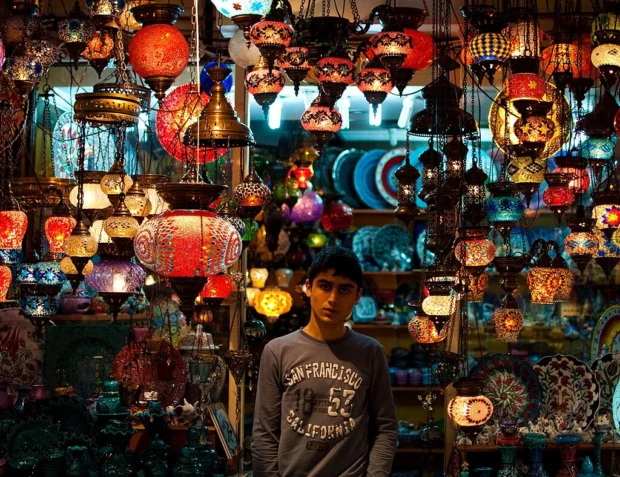
Founded shortly after the conquest of Constantinople in 1453 by Sultan Mehmed II, the Grand Bazaar quickly grew into a nexus for trade between East and West. Its stone arches and vaulted ceilings have sheltered generations of merchants selling silk, spices, ceramics, and jewelry, each stall a chapter in an ongoing story of commerce and artistry. Once a hub for caravan trade across Asia and Europe, the Bazaar reflects Istanbul’s mosaic identity through its variety of goods and the craftspeople who continue ancient techniques here.

The Architectural Mosaic
Behind the bustling shops, the Grand Bazaar stands as a surviving piece of Ottoman civic design its darkened corridors punctuated by stone archways and intricately patterned tilework. Restoration efforts over the centuries have preserved the market’s structural integrity while allowing the market’s lively spirit to thrive. Walking beneath its high domed ceilings, one can imagine the medieval traders negotiating deals and sharing news from distant lands, the same space now alive with modern commerce and multicultural chatter.
When the Market Breathes Its Fullest
To truly appreciate the vibrant pulse of the bazaar, timing your visit merits thoughtful planning. Early mornings right after opening at 9 AM offer quieter moments to admire the craftsmanship and engage with merchants eager to share the tales of their goods. Midweek visits, particularly on Tuesdays or Thursdays, tend to see fewer tourists, giving a more authentic feeling of local market rhythms.
Seasonal Nuances and Crowd Considerations
During major Turkish holidays like Ramadan and the Spring Festival, the Bazaar’s atmosphere shifts intensifying with colorful decorations and special merchandise. However, public holidays also bring waves of visitors, which can make navigation challenging. Avoid weekends and late afternoons if you prefer a less crowded experience. Some travelers find a late afternoon visit intriguing as the lights glow warmly, and the market begins to ease into evening calm.
Engaging with the Bazaar: Tours and Etiquette
While spontaneity has its charms, joining a guided tour can unlock hidden gems and reveal stories invisible to the casual visitor. Local guides often introduce you to specific workshops, such as traditional carpet weaving or the meticulous art of miniature painting. Many tour companies in Istanbul offer themed explorations focusing on ceramics, spices, or Ottoman architecture within the Bazaar’s confines.
Booking and Other Practicalities
Most tours require advance reservations, especially during high season. Prices vary depending on group size and scope, but the added historical insight and smooth navigation through crowded areas often justify the cost. Be mindful to respect merchants’ space and bargaining customs; playful haggling is part of the Bazaar’s character, yet sincere politeness keeps exchanges both productive and enjoyable.
Local Crafts and Hidden Stories
Among the many stalls, the Bazaar houses artisans who maintain centuries-old crafts. From hand-painted Iznik ceramics to finely embroidered silk scarves, each item carries the imprint of a dedicated maker. Occasionally, you might stumble upon ancient Ottoman coins or manuscripts tucked away in rare bookshops lining the lanes. These unexpected finds remind one that the market is not only a commercial center but a living museum where heritage continues to breathe.

Planning Your Visit: Tips for a Rich Experience
- Wear comfortable shoes; the stone paths and extensive aisles call for a good walking stance.
- Carry small change for purchases; many vendors prefer cash over cards.
- Keep an eye on your belongings as the crowded space can be a challenge for pickpockets.
- Learn a few basic Turkish greetings and phrases to brighten interactions with shopkeepers.
- Take breaks in nearby tea gardens or the historic caravanserai courtyard to absorb the bazaar’s energy.
Further Information and Online Resources
For updated details on opening hours, restoration news, and special events, visitors can consult the official page of the Grand Bazaar, which offers practical guidance and insights into its rich heritage. You may visit the Grand Bazaar Official Website for more information and planning resources.
The Grand Bazaar is not just a market; it is an enduring symbol of Istanbul’s spirit, where East meets West and tradition meets daily life. Passage through its gates offers a sensory journey across time, filled with colors scents, and the steady pulse of human stories woven into the tapestry of the city.
After wandering the lively Grand Bazaar, take time to appreciate Topkapi Palace’s majestic courts and royal treasures just nearby Topkapi Palace.
Explorer of historical towns, ancient ruins, and traditional markets, combining modern travel with interest in heritage.
- Grand Bazaar, Istanbul, Turkey (Ank Kumar) 01 by Ank Kumar on Wikimedia Commons – cc by-sa 4.0
- Entrance of Grand Bazaar, Istanbul, Turkey (Ank Kumar) 03 by Ank Kumar on Wikimedia Commons – cc by-sa 4.0
- One of the entrance to the Grand Bazaar in Istanbul (2024) by Premeditated on Wikimedia Commons – cc by-sa 4.0
- Lanterns in the Grand Bazaar 01 by Marc Tarlock on Wikimedia Commons – cc by-sa 2.0
- Carpets Merchant At The Grand Bazaar by Giuseppe Pinto on Wikimedia Commons – cc by-sa 3.0
_01.jpg)
_03.jpg)
.jpg)

.jpeg)