
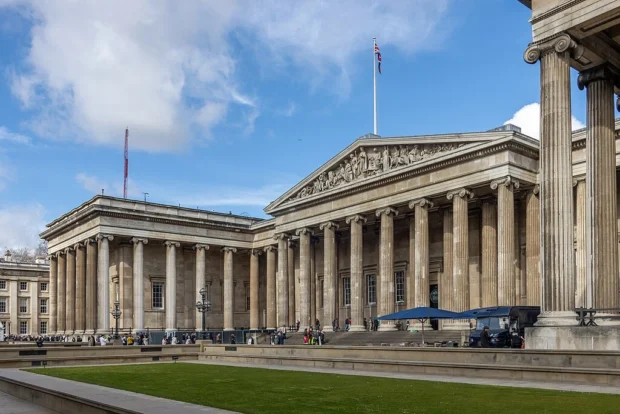
London, a city where history breathes through every cobbled street and modern life pulses in vibrant neighborhoods, holds a special place for culture seekers. At its heart lies the British Museum, a sanctuary of human heritage showcasing treasures from ancient civilizations to contemporary artistry. For visitors arriving from bustling city centers, historic train stations, or airports, the British Museum offers a blend of awe-inspiring architecture, rich stories, and engaging urban experiences. Nearby, the aroma of freshly brewed coffee mingles with the hustle of street vendors, while charming neighborhood cafes invite you to pause and reflect. This guide unfolds practical directions, visitor tips, historical insights, and reservation details to help you navigate the British Museum and its surroundings with confidence and delight.
Table of Contents
Planning Your Visit to the British Museum
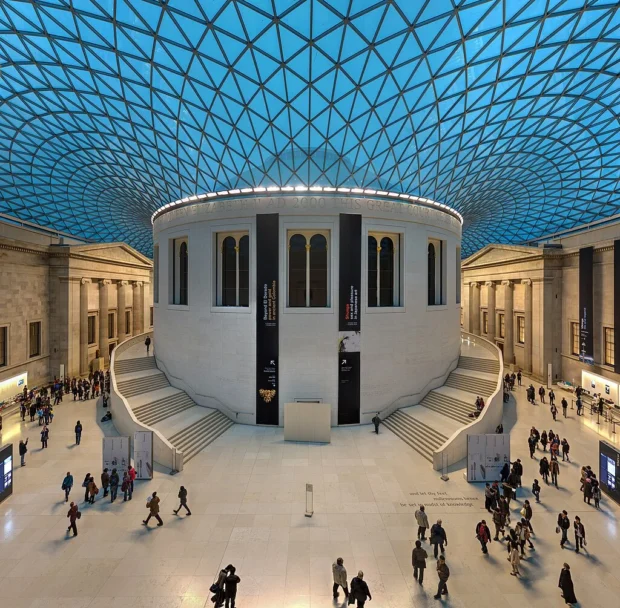
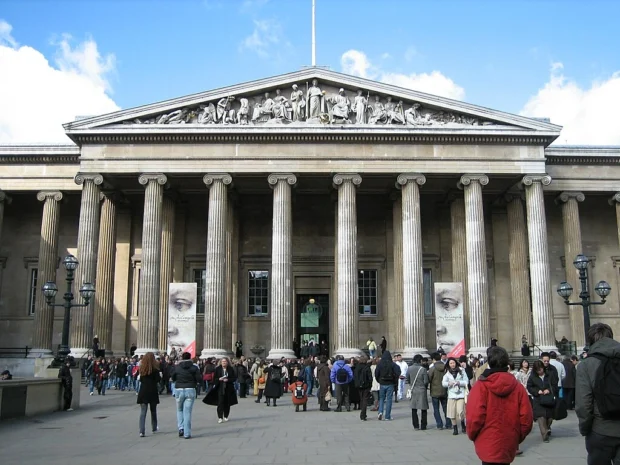
Nested in Bloomsbury, the British Museum is easily accessible from central London and major transport hubs. From Heathrow Airport, taking the Piccadilly Line to Holborn station places you just a short walk away. If arriving from King’s Cross St Pancras, a five-minute underground ride on the Central Line to Tottenham Court Road makes for a straightforward journey. For those exploring on foot or by bus, several routes converge on Great Russell Street, where the museum’s grand neoclassical façade stands proudly. Approaching the British Museum, you’ll notice the iconic glass roof of the Great Court, a masterpiece of modern design enhancing the daylight inside.
Before stepping inside, consider nearby accommodation options that range from boutique inns nestled in historic surroundings to contemporary hotels offering urban luxury. Bloomsbury itself is rich with literary heritage, and wandering its streets reveals bookshops, artisanal bakeries, and quiet squares where outdoor markets occasionally enliven local life.
When to Experience the British Museum
Timing your visit is key to absorbing the museum’s treasures without the bustle of crowds. Weekday mornings, particularly early openings, provide the most tranquil atmosphere. The British Museum typically welcomes visitors from 10 am, with later evenings on Fridays offering a quieter alternative for an extended exploration. Avoiding weekends and school holidays also means fewer visitors jostling through popular exhibits. This quieter environment allows time for absorbing nuanced details, such as the delicate museum lighting that highlights intricate carvings or the subtle textures of ancient pottery.
Many travelers underestimate the joy of spending several hours or even returning on different days to truly appreciate the vast collections. Interactive digital guides and thoughtfully arranged displays invite slow, contemplative viewing rather than a rushed checklist approach.
The British Museum’s Enduring Legacy and Stories
Since its founding in 1753, the British Museum has grown to house over eight million works spanning all continents and millennia. Its story is as layered as the artifacts it preserves. The museum was born from the collection of Sir Hans Sloane, whose curiosity about natural history and human culture laid the foundation for this great institution. Walking through its galleries, you encounter pieces that echo ancient rituals, royal grandeur, and forgotten civilizations.
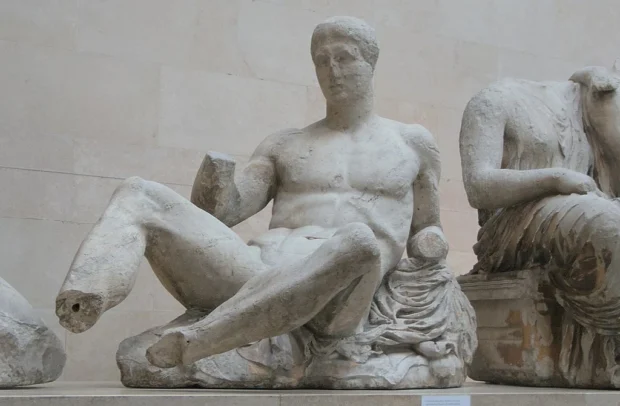
Among the most famous are the Rosetta Stone, crucial for deciphering Egyptian hieroglyphs, and the Elgin Marbles, stunning sculptures from the Parthenon in Athens. Each object has its own tale some controversial, some poetic. The British Museum is not just about looking but also questioning how history is preserved and presented. This living archive invites visitors to ponder cultural connections across time and geography, encouraging a dialogue between past and present.
For a contrasting cultural journey, the Museo Nacional de Antropología in Mexico City shares rich stories of ancient civilizations beyond Europe.
Architectural Highlights Inside the Museum
The museum building itself is an architectural marvel. The Great Court, designed by Sir Norman Foster, is Europe’s largest covered public square, its glass ceiling flooding the space with natural light. This airy central hub connects diverse galleries and offers seating areas where visitors can pause amid the buzz. Surrounding the court, you’ll find period rooms and galleries that transition between classical, medieval, and modern design sensibilities. Taking a moment inside the reading room dome, you might imagine scholars from centuries past delving into manuscripts and maps.
Essential Visitor Tips and Practical Advice
- Admission: Entry to the British Museum is free, though some special exhibitions may require a ticket purchase.
- Reservations: Booking free timed entry tickets online in advance is highly recommended, especially during peak tourist seasons. This helps avoid long queues and ensures you access popular galleries promptly.
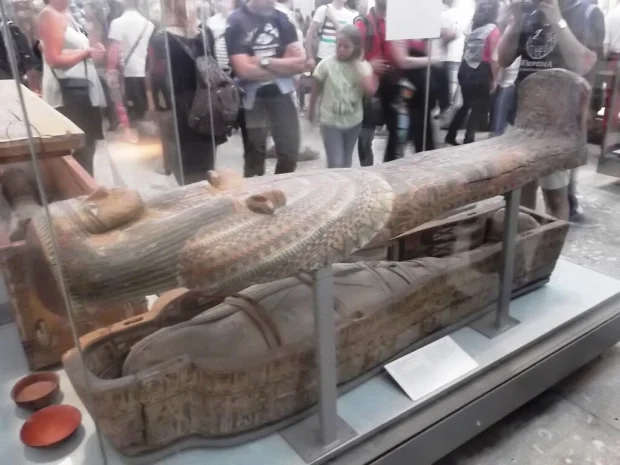
- Guided Tours: The museum offers free daily guided tours focused on specific themes, such as Ancient Egypt or the Enlightenment. Audio guides are also available in multiple languages for a self-paced experience.
- Facilities: Cafés inside the museum serve a range of refreshments from classic British teas to light meals ideal for resting between gallery visits. There are also bookshops offering beautifully crafted catalogues and souvenirs.
- Accessibility: The museum is wheelchair accessible, with ramps, lifts, and accessible toilets throughout. Staff are helpful and ready to assist with any special needs.
- Photography: Non-flash photography is generally allowed in permanent galleries but check signage for restrictions in specific exhibits.
The Neighborhood and Culinary Pleasures Nearby
After absorbing the wonders of the British Museum, wandering the surrounding Bloomsbury neighborhood is a sensory delight. Quaint streets lined with Georgian townhouses give way to leafy squares where locals often gather for picnics or casual chats. Independent bookstores, vintage shops, and artisan food markets pepper the area.
For those intrigued by historic urban exploration, a walk along Dubrovnik’s City Walls and Old Town offers a vivid contrast to London’s heritage.
For a taste of London’s culinary heritage, try traditional afternoon tea or sample street food at Covent Garden, just a short walk away. The nearby historic markets also offer delicious bites from British cheese and charcuterie to exotic spices reflecting London’s global influences. For coffee enthusiasts, many small cafés pride themselves on artfully brewed beans, providing a cozy spot to reflect on your museum discoveries or plan your next walk through London’s historic quarters.
Getting Around from Transport Hubs
If arriving from London’s main railway stations, the journey to the British Museum is straightforward. From King’s Cross St Pancras, a quick Underground ride along the Central Line to Tottenham Court Road places you within minutes of the museum’s entrance. From Liverpool Street, you can take the Central Line westbound or enjoy a scenic 30-minute walk through vibrant neighborhoods that showcase London’s blend of modernity and heritage.
For those flying into Heathrow, the Piccadilly Line provides a direct connection to Holborn, from where the museum is a short stroll. Taxis and rideshare services offer door-to-door convenience but be mindful of London’s congestion charges and busy traffic.
Planning Ahead with Online Resources
To make the most of your visit, the British Museum’s official website offers updated information on exhibitions, events, and visitor services. You can book your free timed tickets, download maps, and explore educational materials before you arrive. This preparation ensures a smooth, enriching day immersed in some of humanity’s most remarkable cultural achievements.
Visit the British Museum official site to plan your journey and explore current highlights.

Lover of cities, local cafés, and historic streets, exploring urban life with attention to architecture and culinary delights.
- At the British Museum 2024 002 by Photograph by Mike Peel (www.mikepeel.net). on Wikimedia Commons – cc by-sa 4.0
- British Museum Great Court, London, UK – Diliff by Diliff on Wikimedia Commons – cc by-sa 3.0
- British Museum entrance by Gertjan R. on Wikimedia Commons – cc by-sa 3.0
- Elgin Parthenon Marbles – 52769605727 by Dominic's pics on Wikimedia Commons – cc by 2.0
- Ancient Egypt, British Museum 017 by لا روسا on Wikimedia Commons – cc by-sa 3.0


