
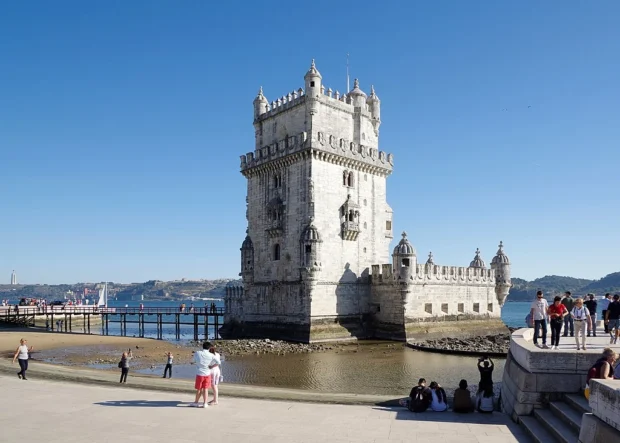
Standing proudly along the Tagus River in Lisbon, Portugal, Belém Tower draws visitors into a world where maritime history, ornate Manueline architecture, and coastal defense converge. This fortress, a UNESCO World Heritage Site, represents a chapter of European exploration that sent ships sailing toward unknown horizons. For anyone curious about Lisbon’s architectural wealth and historical tides, Belém Tower offers a compelling glimpse into Portugal’s seafaring past alongside its artistic soul.
Table of Contents

Belém Tower’s Maritime Legacy and Architectural Craft
Constructed in the early 16th century, Belém Tower was built under the reign of King Manuel I to serve as both a defensive fortress and ceremonial gateway to Lisbon. The tower embodies the Manueline style, an architectural expression unique to Portugal that blends Gothic elements with maritime motifs and symbols of the Age of Discoveries. Look closely at the sculpted ropes, armor, and crosses, which celebrate Portugal’s naval dominance and the spiritual inspirations guiding its explorers.
Its strategic placement on a small island near the riverbank allowed it to control access to the Port of Lisbon, safeguarding the capital from potential attacks while symbolizing Portugal’s adventurous spirit. The intricate stone carvings reveal a mastery of craftsmanship that speaks to the era’s artistic sophistication as much as to military utility.
After seeing Belém Tower’s naval history, visiting the Vasa Museum reveals another unique maritime story from Sweden’s seafaring past.
How to Arrive: Navigating to the Tower with Ease
Reaching Belém Tower from Lisbon’s city center is straightforward and offers pleasant views along the way. Most visitors start from Praça do Comércio or Cais do Sodré, catching tram number 15 or buses heading west towards the Belém district. The tram ride itself is a delightful introduction to Lisbon’s hilly streets and waterfront ambiance.
For those arriving from Humberto Delgado Airport or the main train stations, a combination of metro and tram connections leads to Belém comfortably. Several bike rental options and riverside walking paths provide alternatives for the more adventurous traveler. Parking near the tower is limited, so public transport is highly recommended to avoid city traffic and ensure a stress-free approach.
Nearby Places to Stay and Savor Local Flavors
The Belém neighborhood offers a variety of accommodations, from cozy guesthouses to elegant boutique lodgings, allowing visitors to enjoy river views and proximity to Lisbon’s cultural landmarks. While nearby hotels provide comfort, some prefer traditional guesthouses that offer a quieter, authentic experience amid classic Portuguese architecture.
Sampling local cuisine is an essential part of the visit. Belém is famous for its pastel de nata, a rich custard tart, served by storied pastry shops that have perfected their recipes for centuries. For more substantial meals, riverside restaurants serve fresh seafood, including grilled sardines and bacalhau, highlighting Portugal’s culinary tradition connected to the sea.
Optimal Moments to Visit and What to Expect
Timing your visit to Belém Tower can significantly enhance the experience. Early mornings near opening time allow for quieter surroundings and softer light, perfect for architectural photography that captures the tower’s delicate stone decorations. Weekdays outside the high summer season are less crowded, providing better access to interior rooms and the rooftop terrace with panoramic views of the river.
During weekends and holidays, expect more visitors, particularly from cruise ships docking nearby. The tower can get busy, and certain areas may require waiting in lines The off-season months, particularly late autumn and winter, offer a more tranquil atmosphere but prepare for variable weather by wearing suitable clothing.
Visitor Practicalities and Entry Guidelines
Belém Tower welcomes visitors daily, with ticket offices on site offering access to the fortress’s various levels. Although no reservations are strictly necessary, booking tickets online ahead of time through the official platform is advised during peak periods to bypass queues. Group tours provide insightful commentary and are available upon request, delivering deeper understanding of the site’s history and significance.
The interior includes narrow staircases and some uneven surfaces, so comfortable footwear is recommended. Photography without flash is generally allowed, enabling you to preserve visual memories of the detailed craftsmanship and river vistas. Accessibility for visitors with mobility challenges is limited, so inquire beforehand to plan accordingly.
Exploring the Architectural Details and Artistic Flourishes
The tower’s decorative language speaks of a period when art and function coalesced seamlessly. Notice the elegant turrets and bartizans small projecting balconies that served both as lookout points and artistic embellishments. The sturdy bastions with cannons remind us of the building’s role in defense, while the carved rope work and armillary spheres symbolize nautical ventures and celestial navigation.

Inside, the chapel’s stone tracery and the royal chambers bear witness to the human stories woven into these walls. The balance between defensive robustness and aesthetic grace reflects a design philosophy where architecture serves multiple purposes without sacrificing beauty.

Beyond the Tower: Nearby Cultural Trails and Landmarks
Belém Tower sits amid a cluster of renowned locations that enrich any visit to Lisbon. Just a short walk away, the Jerónimos Monastery showcases Gothic grandeur alongside Renaissance details, complementing the tower’s Manueline artistry. The Discoveries Monument celebrates explorers who shaped global history and invites reflection on Portugal’s maritime impact.
For a fuller picture of Lisbon’s charm including its lively neighborhoods and historic streets, visit Let Lisbon’s Historic Streets and Flavors Welcome You.
Visitors can stroll along the river promenade or visit museums dedicated to maritime heritage and modern art. This area combines historical depth with lively cultural offerings that extend the narrative started by the tower itself.
For a contrasting insight into Mediterranean architectural heritage, the refined Gothic elegance of La Lonja de la Seda in Valencia offers an evocative journey through historic trade and artistry.
Useful Links and Further Information
- Official Belém Tower Website and Visit Lisboa – Tourist Information
These resources provide updated opening hours, ticket prices, and guided tour options. Consulting the official site before planning your visit ensures an informed and enjoyable experience.
For those fascinated by iconic fountains and their cultural stories, the guide to Rome’s Trevi Fountain offers a captivating look at this timeless landmark’s artistry and traditions.
- Lisbon Torre de Belém BW 2018-10-03 16-38-01 by Berthold Werner on Wikimedia Commons – cc by-sa 4.0
- Belem Tower – April 2019 (2) by Rehman Abubakr on Wikimedia Commons – cc by-sa 4.0
- Lisboa 0186 (18845792454) by János Korom Dr. >14 Million views from Wien, Austria on Wikimedia Commons – cc by-sa 2.0
- Torre de Belém (3906297686) by Bernt Rostad from Oslo, Norway on Wikimedia Commons – cc by 2.0

.jpg)
.jpg)
.jpg)