

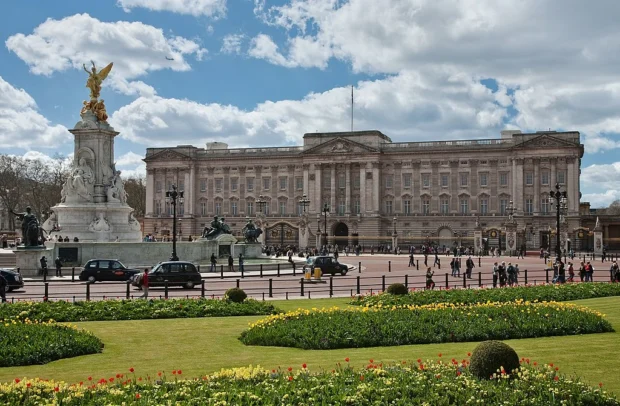
Buckingham Palace stands as an emblem of British heritage nestled in the heart of London, United Kingdom. This iconic royal residence invites visitors to witness a blend of history, regal architecture, and ceremonial splendor. Those planning a trip to London often seek detailed insights on how to best approach Buckingham Palace, its intricate past, visiting protocols, and the surrounding area’s appeal. Whether arriving from Heathrow Airport or London’s bustling city center, understanding transport options and timing significantly enhances the experience. This guide offers a richly detailed yet accessible look at Buckingham Palace, ensuring your visit embraces its full grandeur and subtle nuances.
Table of Contents
Journey to Buckingham Palace From Central London
The palace is located within London’s St James’s district, easily reachable by several transport means. From central London, the quickest route is often via the London Underground:
- Take the Victoria Line to Green Park station, then follow the clear pedestrian signs across The Green Park to the palace’s main gates.
- Alternatively, Piccadilly Line passengers can alight at Hyde Park Corner and enjoy a brief scenic walk through the edge of Green Park.
- From Heathrow Airport, the Heathrow Express to Paddington Station followed by the Bakerloo Line to Oxford Circus, then a short walk or Victoria Line transfer is effective.
Bus routes 11, 211, and 22 also serve the vicinity, stopping near Buckingham Palace Road or Birdcage Walk. London black cabs and ride-share services offer direct door-to-door convenience but may face traffic delays around peak hours. Cycling along the dedicated Green Park cycle routes provides a fresh perspective en route to the palace.
Architectural Majesty and Historic Significance
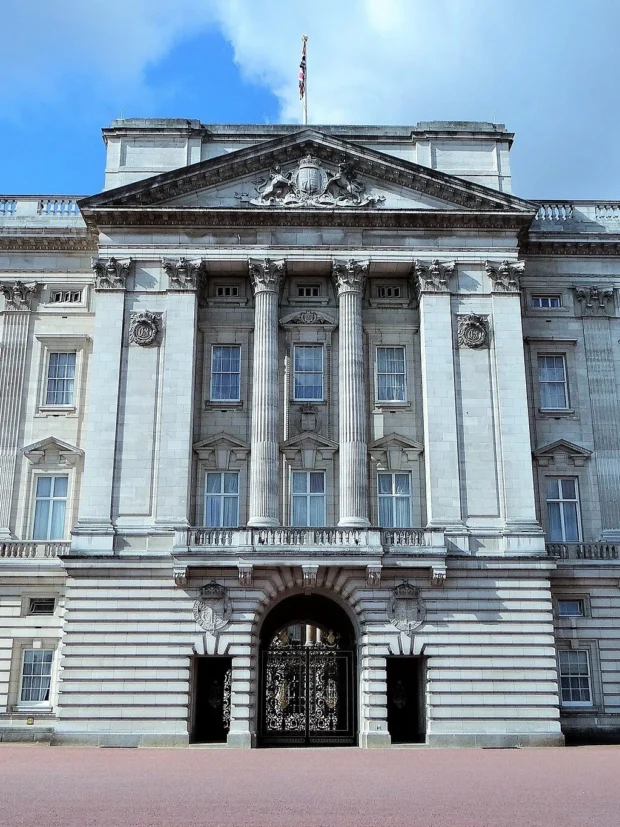
Buckingham Palace, originally built in 1703 as Buckingham House, evolved from a private townhouse into the principal royal residence by the 19th century. Its neoclassical facade, designed by Sir Aston Webb in 1913, embodies balance and grand proportion hallmarks of the Edwardian era’s refined taste. The palace’s central balcony, famed for royal appearances, frames moments etched into British cultural memory.
To compare royal residences, the Forbidden City’s imperial architecture offers a fascinating contrast to Buckingham Palace’s British heritage.
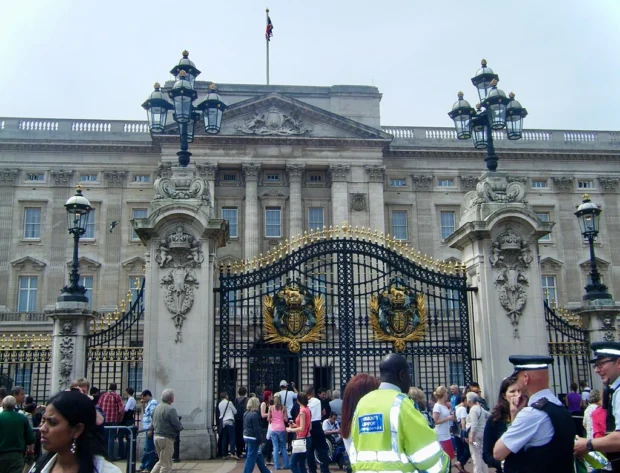
Every architectural element tells a story: the wrought iron gates, the exquisitely crafted cornices, and the state rooms lavishly adorned with paintings by Canaletto and Rubens. Yet beneath this opulence lies a functional art form spaces designed for ceremony and governance as much as for display.
Guided Tours and Reservation Essentials
Visitors wishing to enter Buckingham Palace’s State Rooms should plan ahead. The palace opens to the public only during the summer months, typically from late July to September, when the royal family resides at Windsor Castle. Booking tickets online is essential:
Reservations grant access to the lavish reception rooms, the Throne Room, and the Picture Gallery, providing a rare glimpse into royal life and art curation. Guided tours enrich the visit with carefully curated stories and architectural insights. Note that photography inside is prohibited, preserving the palace’s delicate interiors.

Changing of the Guard Ceremony
An unmissable spectacle outside Buckingham Palace is the Changing of the Guard. Occurring on alternate days around 11 a.m., this ceremony features precision marching bands and guards in their crimson tunics and bearskin hats. Arriving early to secure a prime viewing spot is advisable, especially on weekends.

Best Times and Tips for Visiting Buckingham Palace
To avoid crowds and enjoy a more intimate visit, weekdays early in the morning right at opening time are preferable. Late August often offers lighter visitor numbers, allowing for a better pace to absorb the palace’s artistry. Weather can influence the enjoyment of the palace gardens visible from some State Rooms, so checking forecasts helps plan wardrobe and timing.
Bring comfortable walking shoes the palace grounds, including the nearby St James’s Park and The Mall, invite leisurely exploration. Local cafes nearby provide quintessentially British teas and pastries, perfect for a relaxing break after touring.
Surrounding Neighborhood and Local Flavor
Accommodation in the area leans toward charming boutique hotels and classic English bed-and-breakfasts, offering proximity without overwhelming tourist crowds. The culinary scene boasts traditional pubs and refined eateries serving London’s eclectic flavors. For a truly local feel, try a meal featuring hearty Sunday roast or fish and chips within walking distance of the palace.
For those captivated by historic architecture in Europe’s capitals, the stunning Chain Bridge in Budapest offers a graceful Danube crossing rich with engineering and cultural heritage.
Hidden Architectural Wonders Nearby
Just steps away, the Queen’s Gallery showcases rotating exhibitions from the Royal Collection, housed in a building that contrasts late Victorian design with contemporary extensions. Nearby Westminster Abbey and the Houses of Parliament provide a rich architectural dialogue with Buckingham Palace’s grandiosity, reflecting Britain’s layered history.
Discover the rich history and stunning architecture of Westminster Abbey, located near Buckingham Palace, for a complete royal London experience.
Little-Known Facts to Delight Visitors
Did you know Buckingham Palace was not originally built for royalty? Its use as a royal residence began with Queen Victoria in 1837. Also, the palace’s mail is handled separately by the Royal Mail with a unique postcode SW1A 1AA adding a touch of exclusivity. The palace has 775 rooms, including 19 state rooms, 52 royal and guest bedrooms, 188 staff bedrooms, and 78 bathrooms.
Another intriguing detail: during World War II, the palace suffered bomb damage, yet King George VI and Queen Elizabeth chose to stay, symbolizing resilience and solidarity with Londoners.
Preserving Buckingham Palace For Future Generations
The ongoing conservation efforts are a testament to meticulous craftsmanship and respect for historical integrity. Each restoration project involves careful material selection and expert artisanship, ensuring that the palace’s aesthetic and structural authenticity endures Visitors contribute indirectly through ticket purchases, supporting these vital preservation activities.
In summary, Buckingham Palace offers more than a royal facade; it is a living museum of architecture, history, and British culture. With thoughtful preparation, visitors can unlock stories woven into its walls and gardens, gaining a profound appreciation for one of London’s most cherished landmarks.
If you appreciate London’s royal history, a ride on the London Eye reveals panoramic views that enrich its grand story.

- Buckingham Palace, London SW1 – geograph.org.uk – 4472608 by Christine Matthews on Wikimedia Commons – cc by-sa 2.0
- Buckingham Palace, London – April 2009 by Diliff on Wikimedia Commons – cc by-sa 3.0
- Buckingham Palace – geograph.org.uk – 7034895 by Lauren on Wikimedia Commons – cc by-sa 2.0
- Buckingham Palace balcony (2) by Ibex73 on Wikimedia Commons – cc by-sa 4.0
- Throne Room, Iolani Palace (9487423151) by Daniel Ramirez from Honolulu, USA on Wikimedia Commons – cc by 2.0
- Buckingham-Wachabloesung 56 by Traumrune on Wikimedia Commons – cc by-sa 3.0


.jpg)
.jpg)
