

Monaco shines along the Côte d’Azur, blending Mediterranean splendor with centuries of royal tradition. The city, smaller than most towns yet packed with famous sights, draws travelers with keywords like Monte Carlo Casino, Monaco Old Town, and Oceanographic Museum. This post guides you from the cliffside lanes of Monaco-Ville to the golden domes of Monte Carlo, revealing postcard corners and everyday quirks. Whether you arrive with dreams of racing legends or a camera ready for yachts, let this stroll through Monaco’s highlights and hidden corners color your plans.
Table of Contents
The Pulse of Monaco: Streets and Skyline
Monaco’s condensed geography means even a short walk becomes an architectural tour. From the fragrant pines above Jardin Exotique to the bustle of Port Hercules, the city’s slopes reveal a living storybook. I arrived by train from Nice, stepping out at Monaco-Monte-Carlo station. The air carried briny sea notes and soft perfume from nearby gardens. Every corner here feels curated balconies flourish with fuchsia bougainvillea and streets slide between Belle Époque facades and sleek glass towers.
It is easy to move around; local buses connect the sights, but much can be walked escalators and public lifts make the hills less daunting. Expect gentle chatter in French or Italian in cafés, though locals switch easily to English with visitors. A simple “bonjour” or “merci” brings warmth, and respectful attire is appreciated at formal sites.
Monte Carlo Casino: Where Legends Play
The Monte Carlo Casino stands as the city’s most iconic building—a palace of glamour with a magnetic pull. One night, I lingered beneath its illuminated facade, observing guests in tailored suits float past the twirling lamps. Inside, marble columns and gilded frescoes echo Monaco’s golden era, while the soft click of chips stirs visions of cinematic intrigue.
This casino, opened in 1863, is not just for gamblers. Even if you do not play, you can tour the public rooms. Snap photos in the grand atrium or stroll the lush gardens outside, where vintage cars might line up for a gala. Bright mosaics and soaring ceilings set the perfect backdrop for people-watching, with an air of anticipation in every champagne toast.

Monaco-Ville: Historic Heart and Everyday Life
Monaco-Ville, or “the Rock,” is the city’s oldest district. It sits high on a peninsula, overlooking the glittering bay and cradling centuries-old lanes. I wandered its cobblestones past ochre walls, pausing in sun-dappled squares where elderly men played pétanque. This neighborhood feels intimate, almost like a small village protected from the city’s dazzle below.
The lanes lead to Saint Nicholas Cathedral a serene white stone church where the Grimaldi family rests, and weddings fill the air with bell chimes. On the same crest, simple bistros serve “barbajuan,” Monaco’s signature Swiss-chard dumplings, and “socca,” a peppery chickpea pancake especially good at small stalls near Saint Martin Gardens.
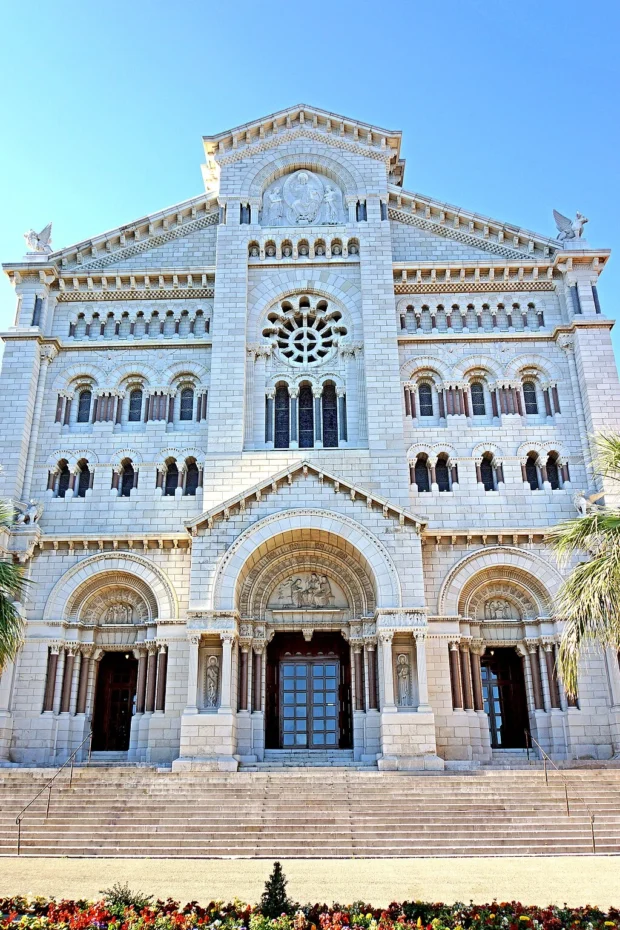
Children giggle beside fountains, and cats lounge on shaded steps. Hidden alleyways reveal family-owned wine shops where shelves bow under the weight of regional bottles. From many corners, the views sweep out to Port Hercules, where superyachts bob beside discreet fisherman’s boats a blend of opulence and simple living.
Prince’s Palace: Royal Legacy in the Clouds
The Prince’s Palace crowns Monaco-Ville and pulses with history. Each day at 11:55 a.m., the changing of the guard brings a moment of old-world precision a favorite ritual among locals and visitors alike. As I watched, sunlight danced on the palace’s creamy facade and marble steps, with plumed guards marching in measured cadence.
The palace’s origins stretch to the 13th century. Step into the State Apartments to find rooms adorned with 16th-century frescoes and gleaming chandeliers. The flag flying above signals if the Prince is in residence. Outdoors, panoramic terraces present sweeping views: terracotta roofs cascade to the turquoise sea, and faint bells mix with the hum of city life below.

There is a story whispered by residents that Monaco once faced a pirate raid thwarted by quick-thinking locals disguising themselves as palace guards. Whether fact or myth, these stories weave into the city’s sense of pride and resilience.
Oceanographic Museum: Monaco’s Marvel by the Sea
Clinging dramatically to the cliffs, the Oceanographic Museum brings together marine science and Art Nouveau beauty. Its stone lions and carved coral motifs are as stunning as the giant aquariums within. I found myself nose-to-glass with swirling schools of jacks and slow-drifting jellyfish each tank like a living painting.
Founded by Prince Albert I, an explorer and pioneer of ocean studies, the museum is more than exhibits. There are rooftop views across the Mediterranean, a playful sea turtle statue for photos, and interactive displays that captivate all ages. In quiet halls, I overheard marine biologists explaining the lives of rare Mediterranean species, and children marveling at sharks.

People say that Jacques-Yves Cousteau once brought his research submarine here, inspiring future ocean explorers. Today, the rooftop café offers the city’s best views for an afternoon pause coffee in hand, seagulls wheeling overhead, and the sea stretching forever.
Port Hercules and Monaco’s Social Life
At sea level, Port Hercules hums both day and night. This harbor defines modern Monaco, lined with restaurants, market stalls, and rows of yachts. Evenings bring a golden glow, with locals gathering for aperitifs. I enjoyed an outdoor table, sharing “pissaladière” a fragrant onion tart while yacht crews busied themselves on sun-bleached decks.
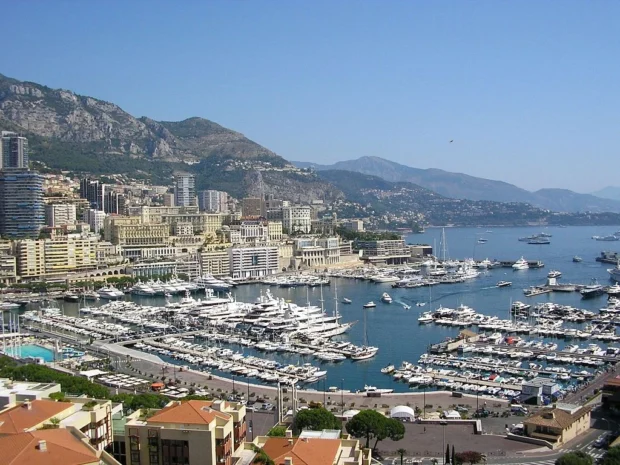
In the mornings, the Condamine Market brims with local color. Flower vendors shout greetings, and baristas know regulars by name. A tradition here is the lively Saturday market, where you sip espresso under striped awnings while sampling olives and tapenade. Boats glide out at dawn, their departure marked by the clink of coffee cups along the waterfront.
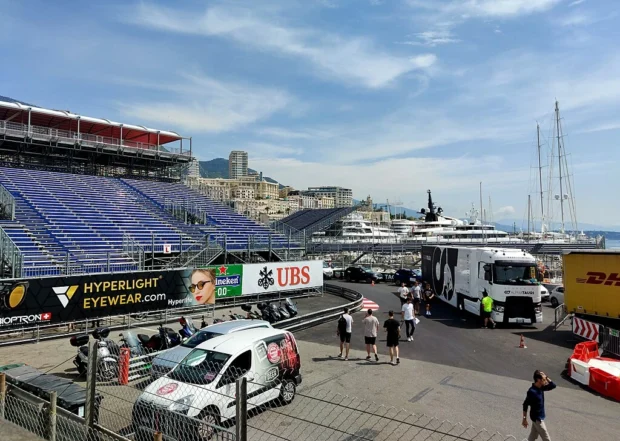
From here, the city’s pulse beats strong. Grand Prix spectators crowd the terraces each spring, watching as Formula 1 cars roar past at impossible speed Monaco’s streets transform into the world’s most famous racing circuit. The sound, echoing between apartment blocks, lingers in memory long after the race is over.
Gardens, Quiet Corners, and Unexpected Finds
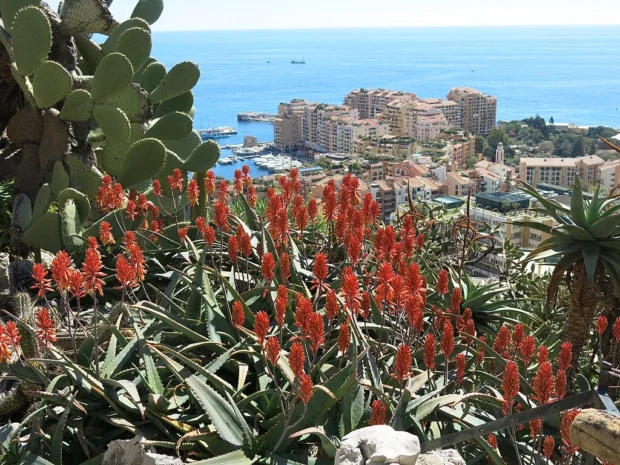
Monaco’s parks offer both bold design and genuine quiet. The Jardin Exotique, set high on a cliff, astonishes with giant cacti and succulents some as old as the city itself. Walking here, I glimpsed lizards basking on stone benches and smelled wild rosemary carried by breeze from the sea. Paths zigzag down to a prehistoric grotto, once inhabited by ancient peoples.
Elsewhere, the Japanese Garden near Larvotto Beach surprises with a tranquil pond and arched bridge, wrapped in maples and bamboo. I found this spot ideal for reading or sketching, away from the city’s rush. Locals say the garden was a gift of friendship, and it feels like a sanctuary preserved from Monaco’s busy pace.

As sunlight faded, I stumbled upon public squares alive with laughter children played under jacaranda trees, and elders discussed headlines at open-air chess tables. Every turn revealed new scenes, from hidden sculpture alleys to stone stairways leading to rooftop viewpoints.
Monaco’s Cafés, Market Culture, and Culinary Heritage
Food in Monaco balances French refinement and Ligurian heartiness. In the Old Town, a tradition survives in narrow cafés where coffee is served in porcelain cups and neighbors debate politics over almond croissants. I found my favorite moment in a bakery tucked beneath striped awnings, where the air smelled of baguette and sweet citrus jam.
Try local specialties such as “barbajuan,” as well as fish stew (bouillabaisse) near the Port or seafood risotto in Fontvieille. In the evening, restaurants fill with laughter and the clink of local rosé. If you want a lighter meal, snack stalls near the harbor sell warm socca, best enjoyed while watching the city’s lights glimmer on the water.
From time to time, Monaco hosts food festivals especially in autumn where pastries, cheese plates, and wine tastings fill public squares. These events offer a chance to mingle with residents, who share recipes and proud family stories. Occasionally, you may stumble upon a modern café where poets gather, reviving old Riviera traditions of coffee, conversation, and spontaneous music in the streets.
Opera, Festivals, and Monaco’s Endless Evenings
Cultural life thrives year-round. The Opera de Monte-Carlo, with its opulent gold-trimmed boxes and painted ceilings, lures music lovers and celebrities for ballet and orchestra performances. On festival nights, I listened as soaring voices melted into the sea breeze an elegant contrast to the upbeat tempo of beachside bars.
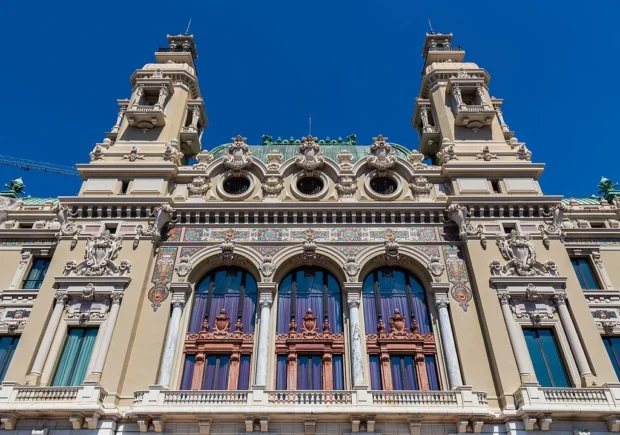
Monaco’s calendar is filled with concerts, flower shows, and literary salons. Locals celebrate Saint Dévote’s Day, lighting paper lanterns beside the harbor. Each event brings together the city’s diverse residents, from yacht captains to university students, gathering under fairy-lit palm trees.
Photography is a favorite pastime; at sunset, artists set up tripods on the Rocher, sketching the pastel sky as the day cools. I met a group of amateur painters capturing the changing light behind the Prince’s Palace, their laughter echoing through ancient stone streets.
Where to Stay, Getting Around, and Lasting Memories
Monaco’s compact size makes almost any location central. Boutique guesthouses in Monaco-Ville offer a village feel, while modern apartments near Monte Carlo place you in the heart of the nightlife. The Larvotto district suits those seeking beach views and sunrise strolls. For families or longer stays, residence hotels near Fontvieille provide quiet comfort near parks and playgrounds.
Reaching Monaco is simple from the Nice Côte d’Azur Airport: the express bus arrives at Monte Carlo in under an hour, while trains run regularly from French and Italian cities. Within Monaco, a network of buses, lifts, and escalators makes every district accessible. Walking remains the best way to absorb the city’s atmosphere, with frequent benches and countless viewpoints inviting you to pause.
A few helpful customs: greet shopkeepers with a polite “bonjour;” avoid loud conversation in public, especially at sacred sites; and respect local dress codes in churches and at the casino. Monaco’s residents are proud of their community but welcome curious travelers who appreciate the city’s rhythm and heritage.
For a contrasting urban calm, consider visiting the Lotus Temple in Delhi, renowned for its peaceful architecture and spiritual ambiance.
Monaco dazzles with luxury and history, but its real beauty lies in moments: a sunrise over yachts at Port Hercules, laughter echoing through castle lanes, strong coffee on a hotel terrace, or the hush inside the Oceanographic Museum. Each visit promises both spectacle and simple pleasure, etched in memory long after your footprints fade from its brilliant coast.
Lover of cities, local cafés, and historic streets, exploring urban life with attention to architecture and culinary delights.
- Port de Monaco février 2022 by Ismael zniber on Wikimedia Commons – cc by 4.0
- Casino de Montecarlo, Mónaco, 2016-06-23, DD 04 by Diego Delso on Wikimedia Commons – cc by-sa 4.0
- Monaco-002575B – Cathedral of Our Lady of the Immaculate Conception (15414415693) by Dennis G. Jarvis on Wikimedia Commons – cc by-sa 2.0
- Cannons and Prince's Palace of Monaco IMG 1192 by Alexander Migl on Wikimedia Commons – cc by-sa 4.0
- Musée Océanographique de Monaco – panoramio – kajikawa (3) by kajikawa on Wikimedia Commons – cc by 3.0
- MONACO HARBOUR 8 – panoramio by otterboris on Wikimedia Commons – cc by 3.0
- Circuit de Monaco – Virage de la Piscine (54799643008) by crash71100 on Wikimedia Commons – cc0
- Casino de Montecarlo, Mónaco, 2016-06-23, DD 05 by Diego Delso on Wikimedia Commons – cc by-sa 4.0


.jpg)

.jpg)

.jpg)
