

Nestled in the very soul of Istanbul, Hagia Sophia stands as an echo through centuries a fusion of Byzantine grandeur and Ottoman artistry that draws countless visitors eager to step into a monument simultaneously ancient and alive. For those curious about Istanbul, Turkey, and the magnificent Hagia Sophia, this journey will offer rich insights, blending simple directions, historical reverence, local flavour, and thoughtful visitor advice into a full-bodied guide.
Table of Contents
To add contrast to Istanbul’s rich history, discover the vibrant city life and historical layers of Skopje, with its lively markets and impressive fortress.
Arriving in Istanbul and Reaching Hagia Sophia
Whether you land at Istanbul Airport or arrive by train near the city center, navigating to Hagia Sophia is a straightforward experience enveloped in the city’s historic rhythm. From Istanbul Airport, the most convenient choice is to take the Havaist shuttle bus, which connects directly to the Sultanahmet district, home to Hagia Sophia. The journey takes about an hour, depending on traffic.
For travelers arriving by train or bus at the main stations Sirkeci or Marmaray walk or take a tram towards Sultanahmet. The Tram T1 line stops right at Sultanahmet, a short walk from Hagia Sophia. Istanbul’s tram connects the Grand Bazaar to the historic peninsula, threading through neighborhoods alive with history.
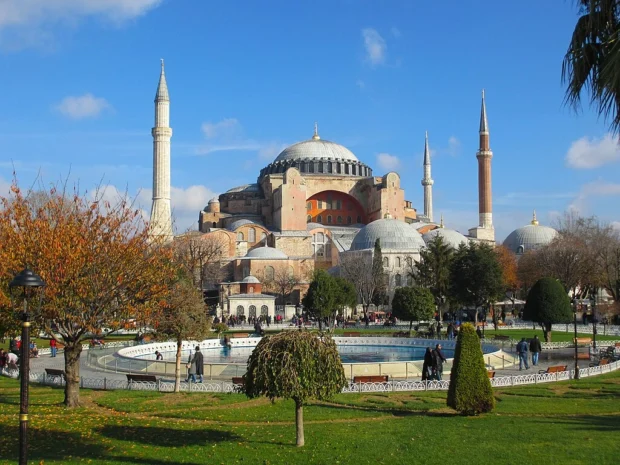
Once in Sultanahmet, the silhouette of Hagia Sophia emerges among other iconic structures, such as the Blue Mosque and the Topkapi Palace, creating a historical triangle that invites hours of exploration.
The Layers of Time: Hagia Sophia’s Historical Canvas
Standing beneath its vast dome, one senses the layered stories etched into Hagia Sophia’s walls. Originally constructed as a cathedral in 537 AD by Emperor Justinian I, it was the largest church in Christendom for nearly a thousand years. The breathtaking mosaics, intricate marble pillars, and soaring arches tell tales of Byzantine artistic brilliance and religious devotion.
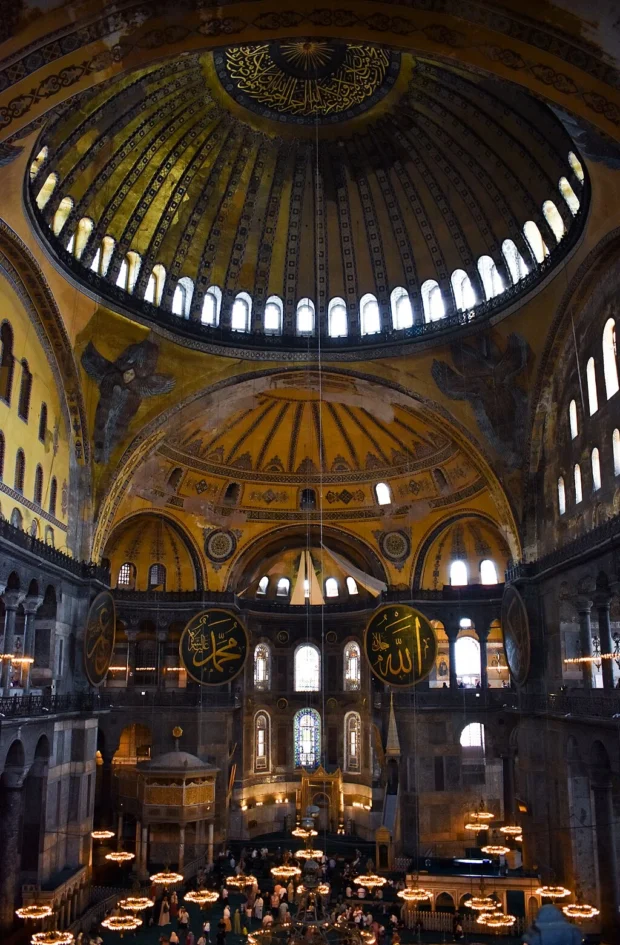
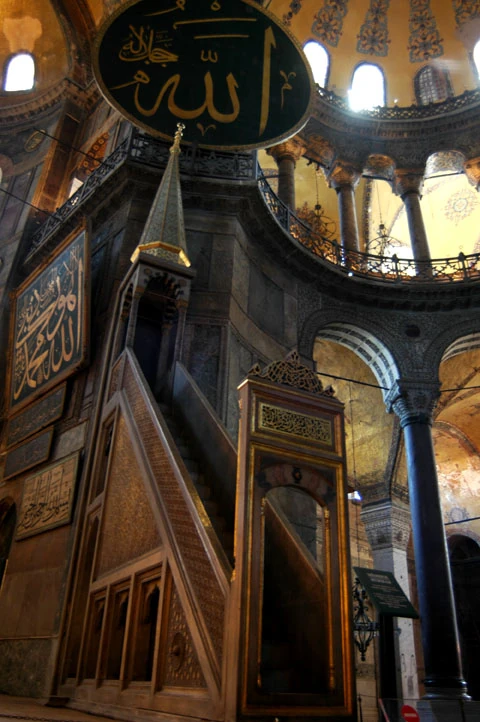
In 1453, when Constantinople fell to the Ottomans, Hagia Sophia was converted into a mosque. The Ottomans added minarets, mihrab, and calligraphic medallions, blending Islamic artistry with the Christian foundations. This transition marks a rare fusion of two great religious traditions under one roof, reflecting Istanbul’s complex identity.
The 20th century saw Hagia Sophia transformed into a museum, opening its treasures to visitors worldwide, before its recent re-designation as a mosque. Throughout its centuries, it has been a place of worship, awe, and cultural dialogue, standing resilient amidst Istanbul’s shifting tides.
Best Times and Practices for Visiting Hagia Sophia
Timing your visit to Hagia Sophia can enrich the experience profoundly. Early mornings on weekdays, particularly Tuesday or Wednesday, offer quieter moments when the soft light caresses the mosaics and marble. Late afternoons also provide a magical atmosphere as sunlight filters through the massive windows, casting patterns that animate the interior.
Weekends and holidays can be busy, filled with travelers from across the globe, so arriving early helps avoid crowds. Dress respectfully to honour the site’s current use as a mosque, and consider bringing a lightweight scarf or shawl, which is useful for entering prayer areas.
Entry Requirements and Guided Tours
There is no entrance fee to visit Hagia Sophia now, but being a functioning mosque, visitors must be mindful of prayer times when access might be limited. Security checks are routine, so arriving prepared with minimal bags helps speed your entry.
While wandering freely around the complex reveals many details, booking a guided tour available in multiple languages can illuminate hidden stories behind the mosaics, the architecture, and its role within Istanbul’s historic fabric. Many tours include nearby sites, such as the Basilica Cistern and the Hippodrome, weaving a complete picture of the area’s deep history.
Tasting Local Flavours and Finding Nearby Accommodation
After absorbing the grandeur of Hagia Sophia, stepping into the surrounding Sultanahmet district reveals a lively tapestry of local life. Narrow streets host traditional eateries where you can try menemen a Turkish-style scrambled egg with tomato and pepper or sip çay (black tea) in tulip-shaped glasses at a small café.
Nearby markets offer exquisite ceramics and textiles, perfect for those who cherish crafts handed down through generations. Accommodations in the area range from charming guesthouses nestled in restored Ottoman buildings to modern hotels overlooking the Bosphorus, providing comfort within easy reach of the sights.
Architectural Marvels and Ethnographic Wonders Within
As one pauses inside Hagia Sophia under the massive dome supported by pendentives a pioneering architectural feat the whisper of ancient builders lingers. The structure’s resilience through earthquakes and centuries of change speaks to the skill and dedication of its creators.
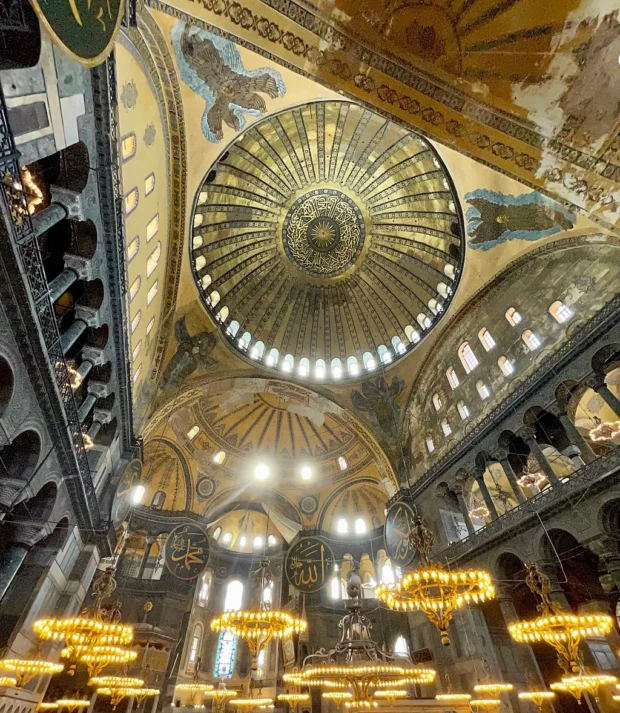
The mosaics, partially visible beneath layers added during its mosque phase, reveal faces of emperors, saints, and angels. Each tile holds a story of craftsmanship and faith. Notice, too, the calligraphic panels introduced by Ottoman artisans, a testament to the site’s layered cultural identity.
Mosaics and Reliefs: Hidden Details
Some of Hagia Sophia’s most fascinating details lie in its mosaics. Look for the Deësis mosaic, displaying the Virgin Mary and John the Baptist pleading with Christ, one of the few surviving Byzantine artworks that survived iconoclasm and restorations.

Restoration Efforts and Preservation
Current restoration projects carefully balance preserving the building’s Christian and Islamic heritage, ensuring its stories continue to resonate while protecting the structure from the wear of time and millions of visitors.
Official Hagia Sophia Website
For up-to-date information on visiting hours, events, and any special arrangements, check the official page of the Hagia Sophia Museum. This resource provides practical details and historical notes, mostly in Turkish but with useful icons and layout accessible to all.
Parting Reflections on Hagia Sophia’s Timeless Embrace
Visiting Hagia Sophia is walking through a living dialogue between ages and cultures. Here, stones speak of empire, faith, artistry, and resilience, inviting visitors not only to observe but to feel the heartbeat of Istanbul itself. The nearby aromas of spices, calls to prayer, and the murmur of passerby all contribute to an unforgettable atmosphere where history and daily life entwine.
To fully feel Istanbul’s living history, wander through the vibrant city heart where Sultanahmet’s charm continues beyond Hagia Sophia in Step Into Istanbul.
Explorer of historical towns, ancient ruins, and traditional markets, combining modern travel with interest in heritage.
- 2012-12-08 Hagia Sophia Istanbul by Berlinaut on Wikimedia Commons – cc by-sa 4.0
- Hagia Sophia, Interior by Julian Lupyan on Wikimedia Commons – cc0
- Dome Interior Hagia Sophia, Ayasofya Camii (52366344113) by Sonse on Wikimedia Commons – cc by 2.0


.jpg)