

Florence, Italy, holds an aura of grace and history, where the Uffizi Gallery stands as a beacon of Renaissance mastery and human creativity. Art lovers, architecture enthusiasts, and curious wanderers alike find themselves drawn to this world-renowned museum, which houses a collection that narrates centuries of artistic evolution and innovation. Nestled in the heart of Florence, the Uffizi offers more than just paintings it is an architectural marvel, a historical repository, and a pilgrimage site for those captivated by craftsmanship and design.
Table of Contents
Florence’s charm extends beyond its museums; see more essential sights and tales that paint the city’s spirit here.
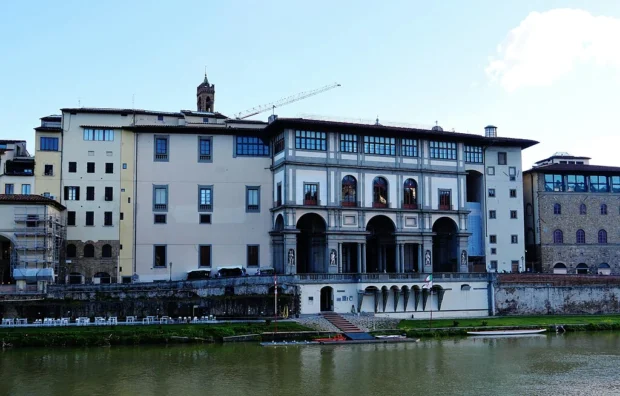
How to Reach Uffizi Gallery with Ease
Situated just a short walk from Florence’s historic center, the Uffizi Gallery commands a prime spot beside the Arno River. Visitors arriving from Santa Maria Novella train station will find a pleasant 15-minute stroll along bustling streets lined with artisan shops and cafes. If you prefer public transport, several buses, including numbers 6 and 11, stop near Piazza della Signoria, just steps away from the gallery’s entrance.
From Florence Airport, a taxi or a shuttle service will take about 20 to 30 minutes depending on traffic. For those who prefer cycling, Florence’s relatively flat terrain and dedicated bike lanes offer an eco-friendly route to the Uffizi, allowing a scenic approach along the Lungarno, the riverbank road.
Architecture and Design: Uffizi’s Spatial Poetry
The Uffizi Gallery itself is a masterpiece of architectural thought. Commissioned in the 16th century by Francesco I de’ Medici, it was designed by Giorgio Vasari as a grand office building (“uffizi” meaning “offices” in Italian). This design, however, transcended mere utility. The long, narrow corridors with massive windows overlook the Palazzo Vecchio and the Arno River, integrating urban morphology and natural light into the spatial experience.
The building’s linear form, flanked by two wings, creates a theatrical axis culminating at the river. Its harmonious proportions and classical elements embody Renaissance ideals balance, symmetry, and clarity. Walking through those halls, one encounters not only paintings but a sculptural architecture where form and function converse with elegance.
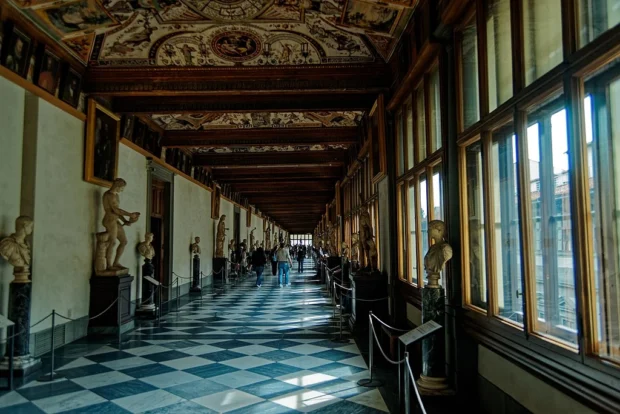
Evolution of Space and Collection
Over centuries, the Uffizi transformed from administrative use to a purpose-built museum. Adaptations included the addition of upper floors to house the expanding art collection, demanding keen architectural conservation efforts to preserve the historic integrity while accommodating modern visitor flows.
Historical Resonance: Uffizi’s Place in Time
The Uffizi Gallery’s importance extends beyond its walls it is a tangible narrative of Florence’s cultural ascendancy. Housing masterpieces by artists such as Botticelli, Leonardo da Vinci, Michelangelo, and Caravaggio, the museum chronicles the transition from medieval to Renaissance art, reflecting shifts in technique, perspective, and humanism.
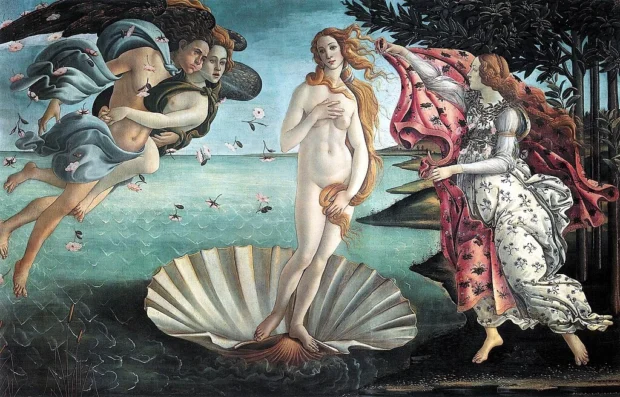
Originally a private collection of the Medici family, the Uffizi was opened to the public in the 18th century, symbolizing a democratization of art and knowledge. The gallery’s corridors echo with tales of artistic battles, patronage, and innovation that shaped not only Florence but Western art history.

Booking Your Tour: Planning Ahead for a Seamless Visit
Given the Uffizi’s worldwide appeal, spontaneous visits often mean long queues. The gallery strongly recommends booking tickets in advance. Online reservations allow visitors to select specific time slots, ensuring a smooth experience and more time to absorb the collection’s depth.
Guided tours offer insightful commentary, revealing stories behind the brushstrokes and architectural choices that might otherwise remain hidden. Audio guides are a flexible alternative, allowing you to navigate at your own pace while uncovering intricate details about artworks and gallery spaces.
When to Visit for Optimal Experience
Weekdays, especially early mornings or late afternoons, tend to have fewer crowds.
Avoid weekends and public holidays when tourist influx peaks sharply.
Winter months offer more tranquility but shorter opening hours.
Check the official Uffizi calendar as certain days offer free or reduced entry, which can affect visitor numbers.
Nearby Accommodation and Local Flavors
Visitors will find a variety of accommodations close to the Uffizi, ranging from charming guesthouses in historic palaces to modern apartments with river views. Staying nearby allows multiple visits and leisurely exploration of Florence’s urban fabric.
Discover Bruges’ medieval charm and quiet corners to extend your journey through Europe’s timeless urban wonders.
After immersing in Renaissance art, delight in Florence’s culinary scene. Traditional trattorias serve hearty Tuscan fare think ribollita, lampredotto sandwiches, or pappardelle al cinghiale (wild boar pasta). For a quick, authentic bite, local markets such as Mercato Centrale offer fresh produce, cheeses, and street food bursting with flavor.
Quirks and Hidden Details Often Overlooked
One little-known fact is that the Uffizi’s iconic Vasari Corridor a secret elevated passageway connects the gallery with the Pitti Palace across the river. This corridor was built for the Medici family’s private use, allowing them to move unseen between their residences. Although currently closed for renovation to preserve its delicate structure, the corridor remains a symbol of Renaissance ingenuity in blending architecture and urban strategy.
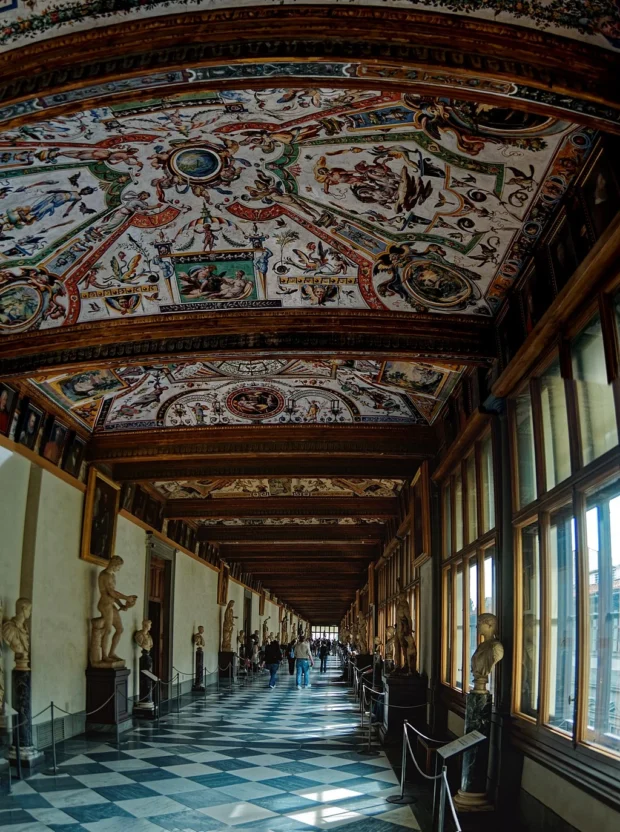
Moreover, some visitors miss the intricate floor mosaics and ceiling frescoes that decorate the Uffizi’s staircases and corridors these are artworks in their own right, demonstrating the craftsmanship beyond the famous canvases on display.
Official Uffizi Website for Up-to-Date Details
For the latest information on opening hours, ticket booking, special exhibitions, and visitor services, consult the official Uffizi Gallery website at Uffizi Gallery Official Site. This resource ensures you plan your visit with confidence, accessing accurate and current details directly from the source.
- Galería Uffizi, Florencia, Italia, 2022-09-18, DD 59-61 HDR by Diego Delso on Wikimedia Commons – cc by-sa 4.0
- Firenze Galleria degli Uffizi Esterno 2 by Zairon on Wikimedia Commons – cc by 4.0
- Firenze – Florence – Galleria degli Uffizi – Vasari Corridor 1566 – View SSW II by Txllxt TxllxT on Wikimedia Commons – cc by-sa 4.0
- Firenze – Florence – Galleria degli Uffizi – Vasari Corridor 1566 – ICE Photocompilation Viewing SSW & Up by Txllxt TxllxT on Wikimedia Commons – cc by-sa 4.0


