
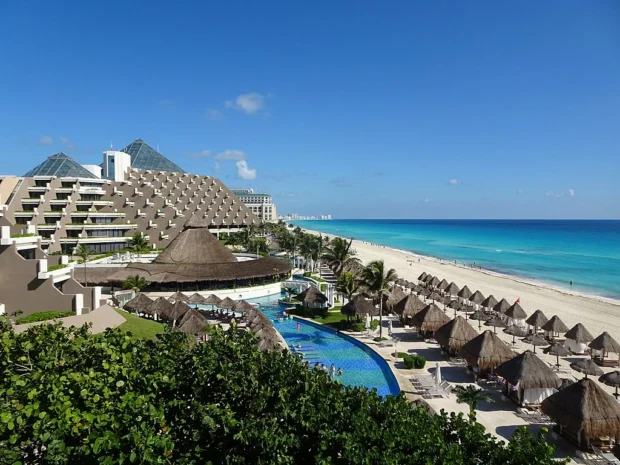
Arriving in Cancun is like opening a fresh, spicy salsa bright, surprising, full of flavors you can’t quite name yet. I stepped off the plane with sand-colored shoes and a head full of rumors: beaches so white they hurt your eyes, tacos that make your tongue dance, and ruins that hum with old stories under the sun. Cancun isn’t just a city or a collection of hotels. It’s a living world where ancient Mayan gods might still wander at dusk, where crickets sing in the shadows and every market smells of lime and history. My days here were shaped by local wisdom, curious wanderings, and many, many good meals. Now, let me share what pulled me in and what might keep you coming back for seconds and thirds.
Table of Contents
Getting to Cancun and Finding Your Way Around
The first thing you’ll notice flying into Cancun International Airport is the turquoise water. The Caribbean Sea is almost unreal from the air a blue so clear you want to scoop it up and keep it in your pocket. From the airport, there’s a reliable and affordable ADO bus. It leaves every half-hour for downtown’s main station, and the journey is about 25 minutes. From downtown, blue and white city buses marked “R-1” connect you to the Zona Hotelera, Playa Delfines, and most sights. No need to speak perfect Spanish; a smile and “la playa?” will get you far. For adventures further out, like Tulum or Chichen Itza, the ADO bus lines run larger coaches with air conditioning and reserved seats. I recommend buying tickets at least a day ahead for popular routes.
Chichen Itza: Mayan Pyramids and Ancient Echoes
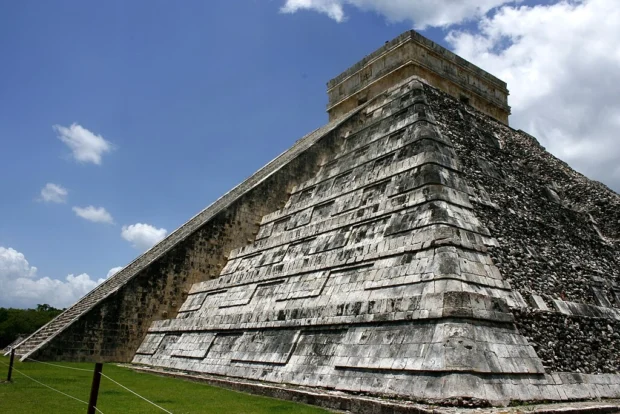
If you hear the word “Cancun,” chances are, someone might mention Chichen Itza soon after. This is not just a pile of stones. Chichen Itza is one of the New Seven Wonders of the World, a place where the past feels close enough to touch. I arrived as the gates opened to avoid the crowds and the heat. El Castillo the giant pyramid rose before me, every angle sharp against the morning sky. Guides tell you it’s a calendar, an echo chamber, and a stage for ancient gods, all in one.
To complement your Cancun adventures, consider the detailed guide on Chichen Itza near Cancun, which offers practical tips and rich history of this iconic Mayan site.
I saw a man clap his hands, and the pyramid threw the sound back as a chirp—the song of the sacred quetzal bird, they say. The site sprawls with mysteries: the Great Ball Court, where losers may have paid with their lives; the Temple of the Warriors, watched over by stone serpents and battered columns; and the Sacred Cenote, rumored to hide golden offerings and old bones. Practical information for tickets and tours is worth a look before your visit.
Don’t forget water, a hat, and strong sunscreen. There’s little shade, and the stories will tempt you to wander for hours. Try a local snack near the gates: elote, grilled corn slathered in chili and lime sweet, smoky, and spicy, a taste of Yucatán itself.
Beach Bliss at Playa Delfines and Isla Mujeres
Cancun’s Zona Hotelera curves along the coast like a necklace of sun and salt. When I wanted open space and a break from crowds, Playa Delfines called out. This is not a party beach. Instead, you get soft, broad sand, rolling surf, and a famous “Cancun” sign perfect for photos. There’s shade under palapas and a local feeling families with coolers, kids building castles, laughter over shared fruit. The waves here are strong and swimming can be tricky, but the color of the water deep blue at the horizon, pale as glass near your feet made me feel like I was inside a watercolor painting.

For something different, I took the ferry from Puerto Juarez to Isla Mujeres, a slim island just off the coast. Isla Mujeres is where the sea seems to wrap you up and time moves slowly. Here, I rented a bike, pedaled past sun-bright houses, and stopped at tiny seafood shacks serving up ceviche so fresh it almost wriggled. At Punta Sur, the southern tip, jagged cliffs look down over wild blue, and old statues peek out from the rocks. The local specialty is Tikin Xic: fish marinated with achiote and sour orange, then charcoal-grilled until smoky. It’s a tangle of citrus, earth, and the sea, served on plastic plates with a grin. Eat it with your hands, ignoring the juice that runs down your arms. That’s the point.

Tulum Ruins and the Call of the Caribbean
Of all the Mayan sites I visited, Tulum Ruins felt most like a daydream. Imagine ancient stone walls perched right at the edge of the sea, turquoise waves breaking below. Tulum was a port city, busy with trade and travelers even centuries ago. The air tastes salty, and lizards sun themselves on the ruins as if they own the place. Early morning is best, when the dew still glitters and the site is quiet enough to hear the wind.
For those captivated by Cancun’s history and sea views, exploring the nearby Tulum Ruins offers an enchanting glimpse into ancient Maya coastal life.

I stopped for a moment by the Temple of the Frescoes, half-ruined, its faded colors still bright in places. Then, climbing down the wooden stairs, I reached the small, secret beach—where you can swim beneath the shadow of pyramids. Nearby, I found a vendor serving coconut agua fresca, cool and slightly sweet the perfect answer to the sun. Tulum town itself is a jumble of taco stands, bike rentals, and open-air artisan shops. The best cochinita pibil I tasted (slow-roasted pork, earthy and orange with achiote) was here, eaten on a palm-leaf plate, with pickled onions sharp enough to wake you up.
Swimming in Cenote Dos Ojos and Other Natural Marvels
Cancun’s heat can press down on your shoulders. That’s when the cenotes call cool, hidden pools formed by underground rivers. Cenote Dos Ojos is famous for a reason. The name means “Two Eyes,” and when sunlight hits the water, you see why: two deep blue circles side by side, cool as a secret. The water is crystal clear, so pure you can see every pebble. Swimming here feels almost out-of-time. I shared the water with tiny fish and occasional divers, their bubbles rising in silver streams.
Locals told me stories about the cenotes some say they are gateways to the underworld, places where the Mayan spirits rest. Whether or not you believe, the silence here is complete and calming. Nearby, other cenotes are smaller, quieter, and warmed by the sun. Each one has its own personality and shade of blue. Most are easy to reach by colectivo (shared van) from the highway. Bring a towel, a change of clothes, and courage to try the zip lines if you’re feeling bold.
Flavors of the Yucatan: Food, Markets, and Ancient Recipes
No guidebook prepared me for the flavors of Cancun and the Yucatan. Food here is an adventure: smoky, sweet, sour, sometimes all at once. In downtown, I visited Mercado 28, where the air is thick with the scent of roasting chiles and fried churros. Tacos al pastor thin slices of pork roasted on a spit with pineapple and red sauce are the late-night favorite. The taste is both familiar and new, like Turkish döner crossed with a citrus carnival.
I learned to look for small places where women in embroidered huipil blouses make tortillas by hand. These are thick, warm, and more like little cushions than the tortillas I knew. I tasted sopa de lima a chicken and lime soup with crunchy tortilla strips in the city’s central neighborhoods. The broth is clear and sharp, the flavor layered with garlic and cilantro. Each spoonful reminded me how food connects people: recipes passed down from grandmothers, hints of Maya and Spanish, all together in one pot.
Yucatan cuisine loves citrus, smoke, and spice. Poc chuc (grilled pork marinated in sour orange) and panuchos (tortillas filled with black beans and topped with shredded turkey, pickled onions, and avocado) showed up everywhere. Even the street snacks, like marquesitas crispy crepes rolled around cheese and chocolate proved that sweet and salty can be happy neighbors. I wandered through supermarkets and village stalls, snapping photos of rare fruits: zapote, guanabana, and the strange, spiky rambutan. The colors pop in photos, and the flavors are even wilder in your mouth.
Other Ancient Sites and Surprising Finds
Cancun is not just about the big names. El Rey Ruins sit quietly near the hotel zone, with iguanas sunning themselves on the stones, barely noticed by most tourists. I found a moment of quiet here, tracing the shadow of the past while the city buzzed nearby. For me, it was a reminder that ancient life is never far from the surface in this part of the world.

Coba Ruins, a bus-ride inland, are wrapped in jungle. I rented a bike at the entry (a rusty, squeaky thing) and pedaled through trees, the path soft with fallen leaves. Climbing the Nohoch Mul pyramid was a challenge, but at the top, the whole forest stretched out, green and endless. If you listen, you can almost hear the beat of old drums and the whispers of forgotten games played here long ago.
Family Fun and Cancun Attractions for Everyone
Cancun’s adventure parks are famous, and Xcaret Park stands out for both beauty and creativity. It’s more than a theme park. Here, you float down underground rivers, watch dancers in feathered costumes, and meet marine turtles. One evening, I stayed for the night show: hundreds of performers telling the story of Mexico with fire, music, and wild costumes. Feel free to check its website for schedules and details, especially if you want to see special events.
Ventura Park is where I unleashed my inner child, racing down water slides, flying on zip lines, and laughing with new friends in the lazy river. It’s playful, loud, and perfect for a break from ruins and history. Both parks use wristbands for entry and cashless payments, making life easy and lines shorter. I found plenty of food options with both local snacks and international dishes try the fried plantains and fresh mango, if you can.
Museo Maya de Cancun and the City’s Living Culture
Some days, the heat or the rain will chase you indoors. That’s when the Museo Maya de Cancun comes to the rescue. Set in the Zona Hotelera, this museum is modern, calm, and full of treasures. The air-conditioning is a bonus, but the exhibits steal the show: jade jewelry, ancient writing, and models of temples you may have seen in person. There’s even a small ruin—San Miguelito—hidden in the museum’s backyard, shaded by trees and full of lizards. I chatted with a local guide who explained the way Mayan calendars measured not just days, but the very heartbeat of the earth. It gave me a new lens to look at the whole region.
For a broader view of Mexico’s ancient cultures, the Museo Nacional de Antropología in Mexico City offers fascinating artifacts and stories.
In central Cancun, I stumbled across a food festival by accident long tables set under lanterns, cooks grilling over open flames, and music that got everyone swaying. I tasted things I still can’t name: a honeyed squash stew, puffy tortillas with strange seeds, a pale cheese with a flavor like toasted milk. The city hosts frequent fiestas and parades, especially during Carnival and Dia de los Muertos, when families gather in the streets and altars bloom with marigolds.
Where to Stay and How to Move Around
Cancun offers a stay for every mood. The Zona Hotelera is famous for luxury resorts with all-you-can-eat buffets, infinity pools, and private beaches. But I fell in love with small guesthouses in downtown: friendlier, more personal, and close to street food and local markets. Rooms usually include air conditioning (trust me, you want this) and often have patios where you can watch the sunset with a glass of cold horchata.
Public buses run all night between downtown and the hotel strip. In smaller towns like Tulum or Isla Mujeres, bicycles and scooters are best for short trips. For longer hops, colectivos and ADO buses are reliable, cheap, and safe. Walking is often rewarding, especially at sunrise when the city is waking up and the air smells of coffee and sea. If you’re booking online, double-check the location “Cancun” can mean downtown, the hotel zone, or even nearby villages. Each has its own rhythm and charm.
Customs, Do’s and Don’ts, and Little Surprises
Mexicans in Cancun are warm but not pushy. A smile and “buenos días” opens doors, both literal and social. It’s polite to tip 10% in restaurants and to anyone helping with bags or groceries. Bargaining is expected in markets, but a friendly attitude gets you further than a sharp word. In churches and ruins, modest dress is respected: cover shoulders and knees if you can.
One custom I loved is the evening paseo families and friends walk along the main square, eating ice cream or simply enjoying the breeze. I joined in, licking a melting scoop of mamey (a local fruit, creamy and sweet) and watching couples dance to marimba in the park. This unhurried pleasure is part of Cancun’s real life, hidden behind the neon of the hotel zone.
For food photographers and curious eaters, morning markets are a treat: towers of chiles, wrinkled and shiny, baskets of tortillas so fresh they steam, and sellers happy to let you taste before you buy. Keep your camera ready but always ask before snapping someone’s portrait. I never felt out of place Cancun is used to travelers, but you’ll find a gentler pace away from the busiest beaches.
Cancun’s Rhythm: Ancient, Playful, and Always Surprising
After weeks in Cancun, after wandering through ruins, swimming in cool blue cenotes, and chasing flavors I never knew existed, I still couldn’t say I’d “done” the city. Cancun is too many things at once: ancient stones and new rhythms, sweet fruit and smoky slow-cooked pork, wide beaches and narrow alleyways full of stories. I left with sandy shoes, three new recipes in my notebook, and the memory of sunset over the Caribbean a sky the color of mangoes, the sea warm as a promise. If you come, bring your appetite, your curiosity, and a sense of humor. Cancun will meet you with all that, and more.
For a rich mix of ancient wonders and lively local culture, consider reading about Xi’an after Cancun.
- Cancun (Mexico, November 2018) – 2 (50999324412) by Bruno Rijsman on Wikimedia Commons – cc by-sa 2.0
- 2007-06-22 Chichen Itza – 106 by markbyzewski on Wikimedia Commons – cc by 2.0
- Playa Delfines – panoramio by jc_castaneda on Wikimedia Commons – cc by-sa 3.0
- El Meco Site Cancun, Mexico (8950917439) by Kirt Edblom from Albany, Oregon, United States on Wikimedia Commons – cc by-sa 2.0
- Mexique Tulum 14 by Daniel Lepoittevin on Wikimedia Commons – cc by-sa 3.0
_-_2_(50999324412).jpg)


.jpg)
.jpeg)