

Oslo often slips quietly beneath the radar of Europe’s grand cities, yet it rewards the curious traveler with an intimate blend of striking architecture, cultural depth, and natural grace. As someone who arrived for a month but found many reasons to stay much longer, I want to share a personal portrait of Norway’s capital one that balances must-see icons, the hum of daily life, and the kind of hidden corners where Oslo’s heart beats strongest. From wandering Vigeland Park’s statues at sunrise to sipping coffee in lively Grünerløkka, let’s walk together through this poetic northern city, where each hour brings another small revelation.
Table of Contents
Arriving in Oslo: First Impressions and Getting Around
Travelers often land at Oslo Airport Gardermoen, about 50 kilometers outside the city. Stepping off the plane, I was struck by the calm energy of Norwegian efficiency. The fastest way into central Oslo is by the Airport Express train (Flytoget), which whisks you to Oslo Sentralstasjon in under 20 minutes no need for taxis and their cost. The trains are spotless and offer lovely window views, especially when the morning frost glimmers across the fields.
From the main station, Oslo opens up in all directions compact, walkable, and threaded with trams, buses, and a metro system. Buy a day-pass from the Ruter machines: one ticket works for all public transport, making neighborhood-hopping simple and cost-effective. Oslo’s main streets are safe both day and night, making it easy to wander and let curiosity guide you.
Vigeland Park: Sculpture, Seasons, and Stories
You cannot understand Oslo without breathing in the open space of Vigeland Park. I first visited on a snow-dusted March morning. The world seemed hushed except for the crunch of gravel beneath my boots and the distant laughter of children. Vigeland Park is the world’s largest sculpture park made by a single artist, Gustav Vigeland. More than 200 statues, all in stone or bronze, gather here figures stretching, embracing, thinking, and huddling together.
Each statue tells its own story, but together, they form a kind of silent human chorus. I watched locals jog past the famous Monolith, a 14-meter column of entwined bodies. Nearby, an older couple held hands beneath the Sinnataggen “The Angry Boy” whose fierce little tantrum has become an Oslo icon. Some statues appear playful, others somber or reflective. The park draws all ages, and in summer, the lawns fill with picnics and soft jazz from portable speakers. Amidst the statues, look for the subtle details: the ripple of a muscle, the etched lines of a frown, the shared expressions of love and struggle.
It’s easy to linger here for hours, sketchbook or camera in hand. The park remains open every day and is free to visit a generous gift to the city, surrounded by leafy Frogner, a neighborhood where elegant old buildings meet bold modern apartments.

Oslo Opera House: Contemporary Lines Meet the Fjord
The Oslo Opera House stands at the edge of the fjord, its white marble and glass rising like an iceberg from the harbor. I joined early birds one spring morning, climbing the Opera House’s sloping roof to watch the sun shimmer on Oslofjord. This building is not just for opera lovers anyone can walk its roof, a rare invitation to touch a national stage. The whole space feels playful, as if the architects left a blank page for people to invent their own rituals.
Inside, the curves of Norwegian oak and the grand glass walls create a feeling of light and openness. If you’re in the mood for ballet or opera, check schedules on the official Opera House website. Even if you do not attend a performance, the café inside is excellent for a coffee with a view, especially as boats drift quietly past the harbor’s edge. Sometimes, you’ll spot students rehearsing outside or hear music drifting on the wind. It’s an open house in every sense.

Akershus Fortress: Echoes of Oslo’s Past
A short walk along the water brings you to Akershus Fortress, Oslo’s medieval guardian. This castle-fortress dates to the late 1200s and once shielded the city from invaders, pirates, and even the plague. I strolled through its thick stone gates one overcast day, half expecting to meet a ghost in the shadows. Inside, grassy courtyards and ancient walls tell stories of kings, sieges, and prisoners. At noon, the cannon fires a daily ritual honoring centuries of resilience.
As you wander, pause by the small windows overlooking the waterfront. The view has changed over 700 years, but the sense of protection remains. Sometimes, actors in costume recount the castle’s myths like the tale of the demon dog, Malcanisen, said to haunt the fortress’s deepest dungeons. Akershus is a quiet, reflective place, but every stone whispers Norway’s historic courage.
Must-See Museum Highlights Across Oslo
Oslo is a city that loves its museums, each one telling a different chapter of Norway’s story. My artistic soul found a home at the Munch Museum, dedicated to Edvard Munch, creator of “The Scream.” The new building by the waterfront is a striking presence, and its galleries invite you to stand nose-to-canvas with Munch’s turbulence and color. On a rainy afternoon, I lost track of time, drawn into a world of troubled faces and stormy landscapes.

Just across the water on Bygdøy Peninsula a green finger of land packed with museums you’ll find the Fram Museum, housing the world’s most famous polar exploration ship. I was awed by the courage of Roald Amundsen and his crew, imagining months battling polar cold, locked in ice yet dreaming of maps unfilled. The nearby Viking Ship Museum is closed for renovation until 2026, but its sister site, the History Museum, now displays some of those haunting, curved ships that once sailed rivers and coasts.

History merges with hope at the Nobel Peace Center, where you can explore exhibits on the world’s most celebrated peacemakers. The building itself a former train station sits near the waterfront and buzzes with student debates and temporary art installations. For anyone interested in Norway’s democratic roots, the Stortinget Parliament and Oslo City Hall are both worthy stops. I took a guided walk one crisp morning, learning how Norway’s politics favor consensus and open debate, not loud drama.

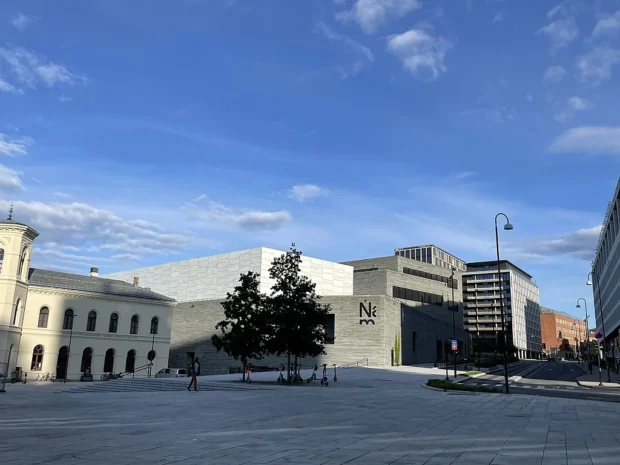
Art lovers should not miss the National Museum, with its vast collection of Norwegian and international works, from medieval tapestries to contemporary installations. The newly opened building is itself a piece of sculptural art. I recommend wandering without a plan let the rooms surprise you. Nearby, Ekeberg Park rewards the patient walker with sculptures scattered among old pines and city panoramas. In autumn, fallen leaves and mist give the park an almost mystical air.
Neighborhoods and Life on Oslo’s Streets
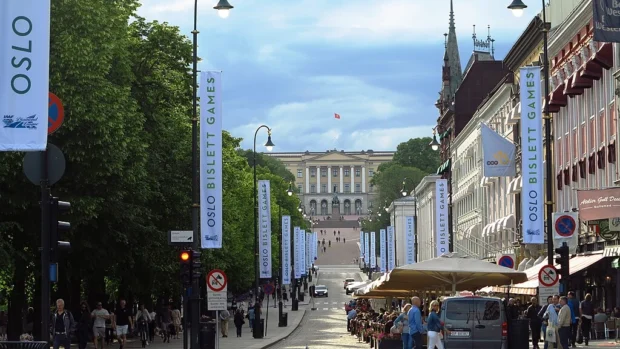
To feel Oslo’s pulse, stroll from the main station along Karl Johans Gate, the city’s main boulevard. It’s where students, families, and tourists mingle among bookshops, clothing stores, and kiosks selling waffles. The street stretches from the railway station to the Royal Palace, passing fountains, street performers, and cozy cafés. On Saturday afternoons, I joined the crowds gathered for impromptu concerts or simply to watch the world go by.
But don’t stop at the main avenue. My favorite afternoons involved getting lost in Grünerløkka, Oslo’s answer to a bohemian quarter. The district is filled with thrift shops, microbreweries, and walls painted with colorful murals. The air here always smells of fresh coffee and cinnamon buns. On Sundays, the local market bursts to life vintage clothes, handmade jewelry, and bread still warm from the oven. I once shared a wooden bench with a retired fisherman who told me, “Everyone here is an artist, somehow, even the baristas.”
Frogner, near Vigeland Park, offers quieter, leafy streets and grand old apartments. Here, you’ll see Oslo’s more refined side: elegant facades, small design boutiques, and parks where children chase red kites. Westward on the Bygdøy Peninsula, you get a sense of Oslo’s blend of city and country wooded trails, historical farmhouses at the Norwegian Museum of Cultural History, and quiet beaches where locals swim even when the water feels glacial to outsiders.
Culinary Heritage: Oslo’s Flavors and Traditions
Norwegian cuisine is defined by the land and sea fresh, seasonal, and simple yet surprising. In the heart of the city, around the Opera House and Aker Brygge, restaurants hum with the day’s catch: open-faced shrimp sandwiches, salt-cured salmon (gravlaks), and rich fish soups, always served with hearty bread. I found my favorite meal in an unassuming stall at Mathallen market a bowl of creamy fish stew that warmed my bones after a long walk.
Grünerløkka’s bakeries fill the air with the scent of “skillingsboller” (cinnamon rolls) and sourdough. I recommend seeking out a “kaffebar” for a mid-morning pause; coffee is serious business in Oslo, and locals linger over their cups, discussing news and novels. For cheese lovers, try brunost Norwegian brown cheese, sweet and caramel-like, best sliced thin on crispbread. In summer, the city’s food festivals bring artisan chocolate, wild berries, and reindeer sausage to the streets.
Scenes from Everyday Oslo: Markets, Cafés, and Social Life
Early mornings in Oslo belong to the quiet cafés, their windows glowing against the mist. I often began my day in Grønland, a lively district where Turkish, Pakistani, and Somali influences infuse the markets. Here, I found the city’s best street photography: buskers tuning guitars, shopkeepers arranging spices, and children chasing pigeons. Everyone seemed to greet each other with a quiet nod or a brief smile a small but meaningful gesture in Norwegian culture.
Markets like Mathallen in Vulkan blend Oslo’s old and new. Artisanal bakers share space with fishmongers, vegan food trucks, and small breweries. I struck up conversations over salmon sandwiches, discovering that Norwegians take pride in quality ingredients and slow meals. Social life is often built around these community spaces; friends meet after work for waffles or head to the riverbanks for open-air grilling in summer.
Literary cafés are another Oslo specialty. I once ducked into a book-filled corner near the National Museum to wait out a rainstorm. The shelves held everything from Ibsen’s plays to modern graphic novels. Over hot chocolate, I listened to a student group rehearsing poetry proof that Oslo’s creative spirit is alive in every hidden nook.
Stories, Customs, and Quirky Facts About Oslo
Oslo’s history is filled with small surprises that delight the attentive traveler. Did you know that the city was once called Christiania and only became Oslo again in 1925? Or that the Nobel Peace Prize awarded every December at City Hall is the only Nobel prize given outside Sweden? One local legend claims that if you walk around Akershus Fortress at midnight, you might hear the phantom bell ring, signaling the ghostly changing of the guard.
After embracing Oslo’s rich history and art, you might find a visit to Recoleta Cemetery intriguing, where stone sculptures narrate Argentina’s stories beyond the city streets.
Daily life in Oslo moves at a measured, unhurried pace. Norwegians respect personal space and often greet each other with a reserved smile or a brief “Hei.” In conversation, it’s polite to wait your turn interrupting is rare. Shoes are always removed when visiting someone’s home, and punctuality is respected in both social and business meetings. Yet, despite these customs, people are quick to help with directions or share their favorite lunch spot if you ask.
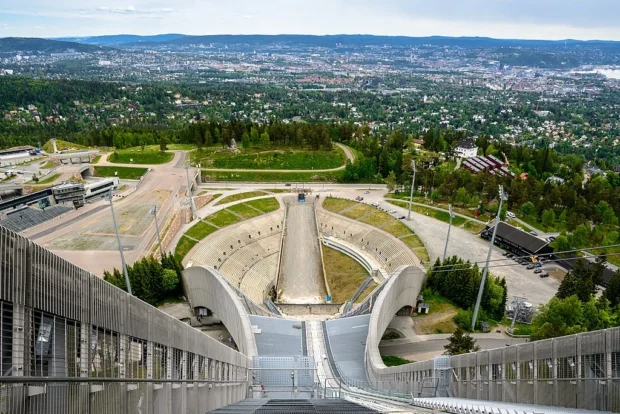
The city is remarkably green: more than half of Oslo is covered by forest or parks. Locals love “friluftsliv” the Norwegian love for open-air life. Even in winter, you’ll see people cross-country skiing in the city parks or hiking up to Holmenkollen, Oslo’s famous ski jump, for panoramic views. Holmenkollen itself is a marvel of engineering and tradition a spot where ski-jumping contests draw thousands, and from the top, the whole city sparkles at sunset.
Where to Stay in Oslo for the Best Experience
Oslo offers a range of accommodation, from cozy guesthouses in historic districts to sleek modern apartments near the city center. For those eager to dive into creative energy, neighborhoods like Grünerløkka or Vulkan place you steps from markets, bars, and galleries. Families and those seeking quiet may prefer Frogner or Bygdøy, where tree-lined avenues and gentle parks invite evening walks.

Budget-conscious travelers will find welcoming hostels near the main station or along the tram lines, making it easy to reach every sight. Those staying longer might rent an apartment giving you space to cook with local ingredients from neighborhood markets. Nearly every hotel and guesthouse in Oslo offers a hearty breakfast, often featuring Norwegian classics like smoked salmon, eggs, and crusty bread.
Final Impressions: Oslo’s Lasting Allure
Oslo’s true beauty is not in grand gestures but in the small moments: a quiet morning by the fjord, the warmth of a cinnamon bun on a cold day, the gentle murmur of conversations in crowded markets. As dusk falls and streetlights reflect on wet cobblestones, I find myself thinking of the city’s quiet resilience and subtle elegance. Oslo invites you not just to see its landmarks, but to feel its living rhythm, woven through art, food, and laughter shared with strangers.
Whether you have three days or three months, let your own curiosity shape your Oslo story. Each walk, meal, and conversation here brings you a little closer to the city’s open heart an invitation that waits long after your journey ends.
For visitors enchanted by Oslo’s rich city life, a journey to Helsinki’s charming urban scenes offers a gentle Nordic contrast with tidy streets and a harmonious pace.
Lover of cities, local cafés, and historic streets, exploring urban life with attention to architecture and culinary delights.
- Royal Palace Slottet Oslo Norway (2023.04.28) by Geir Hval (www.MacWhale.eu) on Wikimedia Commons – cc by-sa 4.0
- Norway – Oslo, Vigeland Park – panoramio (6) by randreu on Wikimedia Commons – cc by 3.0
- 20240809 133318 Oslo, Norway 06 by Dwxn on Wikimedia Commons – cc by-sa 4.0
- Munchmuseet Oslo JUN2019 by Annikdance on Wikimedia Commons – cc by-sa 4.0
- Fram museum – Oslo, Norway by hh oldman on Wikimedia Commons – cc by 3.0
- Am 11. Juli 2005 wurde in Oslo das Nobel Friedenszentrum eröffnet. 03 by Holger Uwe Schmitt on Wikimedia Commons – cc by-sa 4.0
- Nasjonalmuseet for kunst, Oslo (5) by Ssu on Wikimedia Commons – cc by-sa 4.0
- Karl Johans gate, Oslo – Royal Palace, Oslo – perspective by Philippe Salgarolo on Wikimedia Commons – cc by-sa 4.0
- Holmenkollen, Oslo, Norway (36403417921) by Domenico Convertini from Zurich, Schweiz on Wikimedia Commons – cc by-sa 2.0
- Akershus Fortress, Oslo, 13th cent. and after (13) (36297791042) by Richard Mortel from Riyadh, Saudi Arabia on Wikimedia Commons – cc by 2.0
.jpg)
.jpg)


.jpg)

.jpg)
_(36297791042).jpg)