

Vienna never tries too hard it simply is. The Austrian capital, centuries-old heart of the Habsburg Empire, remains a city where classical music, imperial architecture, and coffeehouses set the tempo of daily life. As we wandered wide avenues and cobblestone streets, each hour brought a new encounter. Vienna’s graceful palaces and museums rival any in Europe, while simple pleasures like a slice of Sachertorte or the chatter of locals in bustling markets remind us why this city feels both grand and welcoming. Whether it is your first visit or a return, Vienna offers a heritage-rich, walkable cityscape that makes you want to linger long after your first Apfelstrudel. Here, we share scenes, stories, and tips to unlock the city’s most famous and secret corners.
Table of Contents
Planning a visit to Schönbrunn Palace? This guide offers helpful tips on how to get there and make the most of your time.
Imperial Grandeur: Schönbrunn Palace
The moment we step onto the grounds of Schönbrunn Palace, Vienna’s imperial history feels close. This yellow Baroque residence stretches far, with over 1,400 rooms and glorious gardens that tempt you to lose your way for hours. Empress Maria Theresa called this her summer retreat. Today, you can wander staterooms glittering with chandeliers and gold, or climb the stairs to the Gloriette, a hilltop pavilion with sweeping city views. In spring and summer, locals love walking the maze and palm house, while classical concerts draw crowds every evening. If you visit only one palace in Vienna, let it be this one.

A friendly Viennese gardener explained that the word for palace in German is “Schloss.” She smiled and wished us “Schönen Tag noch,” meaning have a nice day a phrase you’ll hear often, especially in the grand gardens when the sun strikes the statue-lined paths.
St. Stephen’s Cathedral: Gothic Heart of Vienna
St. Stephen’s Cathedral, or Stephansdom as locals say, rises in the center like a stone crown. Finished in 1433, its patterned tiles and high Gothic spire make it Vienna’s unmistakable landmark. Inside, the air smells faintly of candle wax. Even on a cloudy day, light shimmers through stained glass, illuminating tombs and intricate chapels built over centuries. We lost track of time reading the inscriptions on centuries-old stones and listening to the notes of an impromptu organ rehearsal.
Beyond palaces, for a detailed look at Vienna’s iconic Gothic heart, visit St. Stephen’s Cathedral and its breathtaking architecture.

For the brave, climbing the 343 spiral steps of the South Tower rewards with Vienna’s best panoramic view. It’s a healthy rival to Paris’ Notre Dame but much friendlier to slow walkers! During our visit, a caretaker told us the ringing of the giant Pummerin Bell cast from melted Turkish cannons still marks anniversaries and holidays.
The Belvedere Palace: Baroque Beauty and Klimt’s Masterpiece
A stroll through Vienna’s Landstraße district brings us to the shimmering Belvedere Palace. Built for Prince Eugene of Savoy, the two palaces (Upper and Lower) sit in terraced gardens that seem painted into the landscape. Today, the Belvedere is as famous for art as for its Baroque architecture. The marble halls and mirrored salons hold treasures from medieval altarpieces to Gustav Klimt’s golden “The Kiss.” We found ourselves leaning in to catch every brushstroke Klimt’s painting, surrounded by hushed admirers, glowed with a life of its own.

On a sunny day, the fountains and sculptures outside reflect Vienna’s passion for harmony between nature and art. Staff here are warm and eager to help even teaching us the phrase “Bitte sehr” for “you’re welcome.” Many visitors linger in the garden café, tempted by coffee and cake just as much as fine canvases.
Hofburg Palace and Vienna’s Living History
You haven’t seen imperial Vienna until you’ve crossed into the sprawling Hofburg Palace complex. Once home to Habsburg emperors, today it houses presidential offices, the Imperial Apartments, and legendary treasures—like the crown of the Holy Roman Emperor. Wandering through opulent halls and tranquil courtyards, we heard echoes of grand balls and state ceremonies. The elegant Austrian National Library, inside the Hofburg, carries the scent of leather and parchment, with ancient globes and ceiling frescos that might distract even the hardiest historian.
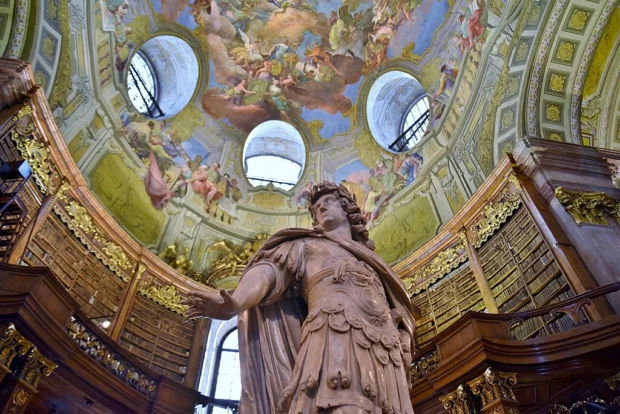

We were lucky to stumble into the Spanish Riding School as the Lipizzaner stallions rehearsed. The clip-clop of hooves in the chandeliered arena felt timeless. Locals explained that “Grüß Gott” (greet God) is a polite daytime greeting using it at the Hofburg draws a smile from Viennese staff and helps break the ice when asking directions among the palace maze.
Cultural Experiences: Museums, Operas, and Market Life
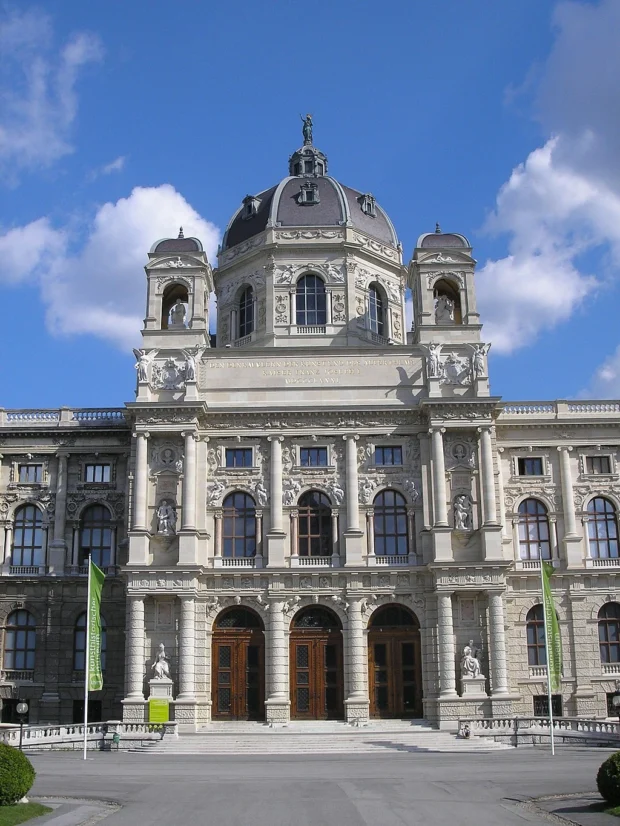
Vienna’s central districts hold more than palaces. Art and music pulse through the city’s “Museum Quartier,” a lively neighborhood where modern cubist buildings embrace older facades. The Kunsthistorisches Museum welcomes us with its rich collections, including works by Brueghel, Rubens, and Caravaggio. In the Albertina Museum, world-class prints and drawings think Dürer and Monet fill sparkling new and old galleries. Each museum feels intimate, more like strolling a friend’s grand salon than an impersonal hall.
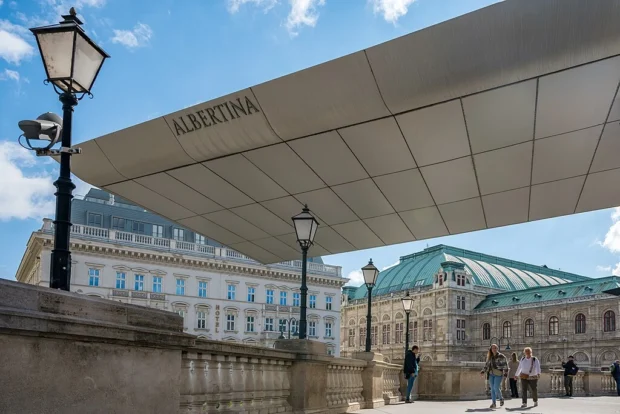
No visit would feel complete without pausing at the Vienna State Opera, whose shining white arches light up every evening. It’s possible to stand for an opera performance (the standing tickets are a bargain), rubbing shoulders with students and elderly music lovers alike. Even as a non-German speaker, the passion of Mozart or Strauss transcends language. In fact, we twice found ourselves pulled outside by clapping crowds after a rousing finale!

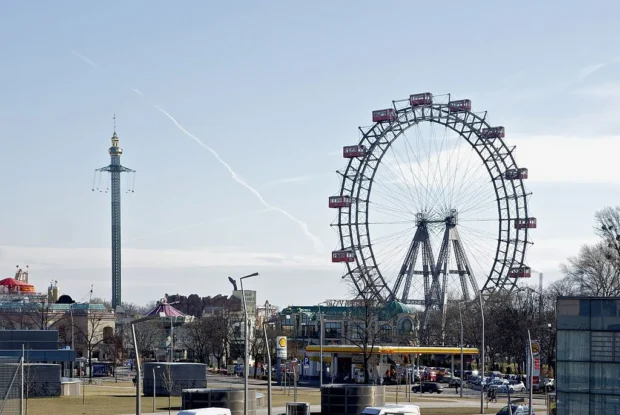
Just a few stops away by tram, Prater Park is Vienna’s old fairground. The Riesenrad, the famous Ferris wheel, spins above food stalls and quiet tree lanes. We spent a breezy afternoon watching old couples row boats and children licking giant ice creams Prater is the city’s playful escape from formality, a tradition since imperial days.
Vienna Food Specialties and Where to Taste Them
Vienna’s food culture is woven into everyday life. There is no need to search far for a hearty Wiener Schnitzel the city’s classic breaded veal or pork cutlet. Locals swear by the crispy versions served in the first district’s cozy taverns, known as Beisls, where the wood paneling seems unchanged since before World War I. If you’re up for something sweet, try Sachertorte (rich chocolate cake filled with apricot jam) or Kaiserschmarrn, shredded pancakes dusted with sugar and served with fruit compote.
For lunch or a snack, the Naschmarkt deserves a visit. This long stretch of stalls by the Linke Wienzeile buzzes with energy, especially on Saturdays. We tasted pickles, Turkish pastries, cheeses, and fresh strudels, chatting with stallholders proud to recommend sauerkraut or local honey. It’s easy to order just smile and say “Danke!” after. A simple “Wie viel kostet das?” (“How much does it cost?”) helped us when curiosity got the better of our wallet.

If you wander further west, the 7th district also has small coffeehouses famous for their Melange (frothy Viennese coffee), served with a glass of water. Locals take their time; the art of “Kaffeehauskultur” is to linger, read, or write. We even glimpsed composers penciling scores at corner tables, an old Viennese habit that lives on.
Transport Tips: Getting Around Vienna Easily
Vienna is built for easy walking, but the city’s public transport shines for longer distances. From Vienna International Airport, the City Airport Train (CAT) or S-Bahn lines bring you straight to the city center (Wien Mitte) in under 20 minutes. Subway (U-Bahn) lines and trams crisscross every district; signs and ticket machines show English translations, and locals often help if you look puzzled. A 24 or 48-hour network pass is worth the price for unlimited buses, trams, and metro rides.
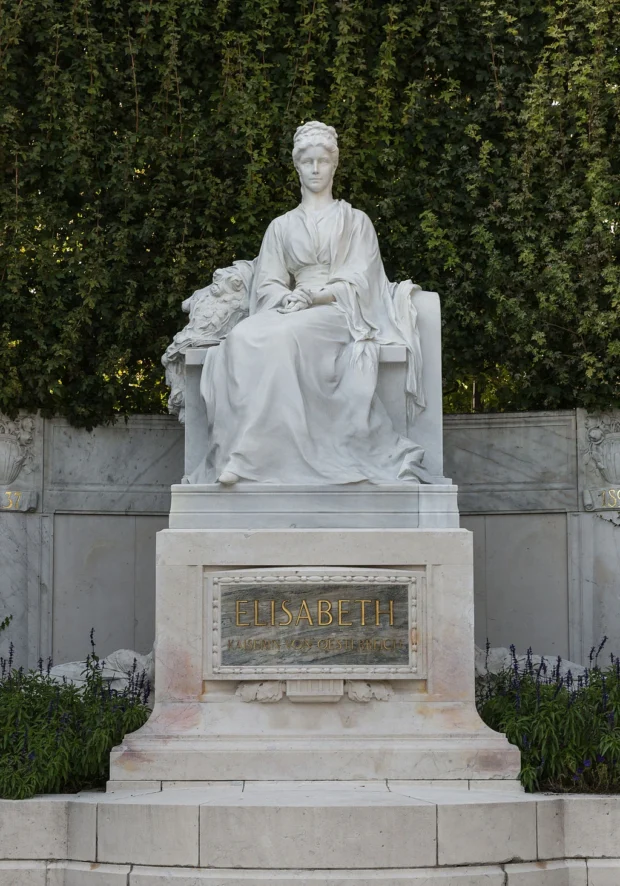
During rush hour, trams fill with office workers, students, and retirees yet camaraderie is strong. People offer their seats with a nod or share a quiet “Entschuldigung” if they bump your elbow. Cyclists whiz by riverside paths, and riverboats glide slowly on the Danube. If you crave a slower sight, walk from the Ringstrasse, Vienna’s grand boulevard, to quieter areas like the Volksgarten, a public park famous for its roses and statues.
More Surprising Sights: Hidden Corners and Colorful Homes
Beyond famous names, Vienna delights with offbeat places. Hundertwasserhaus, for example, is a wonder of playful architecture curving floors, bright ceramic tiles, and trees sprouting from windows. This apartment block, created by artist Friedensreich Hundertwasser, shows Vienna’s bold side. We joined schoolchildren and tourists alike snapping photos in front of its multicolored facade.

Karlskirche, or St. Charles Church, glows white and green at sunset in the Wieden district. Its twin columns and domed ceiling mix baroque excess with Islamic and Roman influences. We heard a student choir rehearsing as restoration teams dusted decade-old frescoes overhead a city whose old stones are kept alive by care and craft.

In the Museum Quartier, we admired tiny contemporary galleries sharing courtyards with design shops and ice-cream stands. Vienna’s dedication to art and preservation means even modern projects honor the past; no skyscraper disturbs the old skyline. We enjoyed chatting with artisans weaving lace or discussing conservation in antique bookstores Vienna’s soul feels both learned and playful.

Traditions, Festivals, and Everyday Etiquette
Vienna remains proud of its traditions. The rhythm of classical music fills churches and squares, especially during festival season each spring and autumn. During Fasching (carnival) in late winter, costumed parades wind through the city, led by brass bands and dancers. Residents eagerly join folk music nights, with dances passed down through generations.
Etiquette here is relaxed but formal people greet shopkeepers and strangers with a polite “Grüß Gott” or nod. You’ll find that many Viennese hold doors open and offer cheerful “Danke” after even small favors. Locals usually wait for the green light before crossing streets, and it’s considered rude to interrupt someone eating or reading in a café patience is valued here.
Vienna’s deep respect for heritage can be seen in its careful restoration of old palaces, churches, and public buildings. Throughout the city, vernacular houses from the 18th and 19th centuries remain intact, many now hosting craftspeople who sell ceramics, textiles, and hand-bound books. If you listen closely in Naschmarkt or open-air festivals, you might still catch a lilting folk tune played on the zither or accordion.
Where to Stay: Vienna Accommodation Insights
There’s no lack of memorable places to stay in Vienna, whether you seek a grand city-center residence or a quiet guesthouse in the leafy outer districts. The Innere Stadt (first district) puts you steps from key sights, coffeehouses, and museums, surrounded by the old city walls. For a more bohemian feel, Leopoldstadt or the 7th district offer airy flats and family-run pensions, close to the Danube or vibrant local markets.
Many older buildings are now boutique accommodations, carefully restored with painted ceilings and historic tiles some even let you sleep where musicians or writers once lived. Don’t be surprised if your hosts offer local tips over breakfast Viennese hospitality is genuine, never rushed. A guesthouse owner once explained to us, “Gemütlichkeit” is the spirit of warmth and comfort, and it truly defines every encounter here.
Reflections on Vienna’s Enduring Spirit
After days in Vienna, we carry vivid memories morning walks past imperial facades, afternoons lost in galleries, and evenings humming waltzes under lantern light. Whenever we paused to ask directions or lingered over dessert, locals shared stories and smiles. Each ornate building tells a chapter of Vienna’s layered history, from Roman roots to modern life blending past and present.
After enjoying Vienna’s grand palaces, you might be interested in stepping inside the Hermitage Museum’s splendid rooms and art in Saint Petersburg for a change of imperial perspective. Hermitage Museum in Saint Petersburg offers a unique walk through history and art you will appreciate.
Vienna rewards both curiosity and patience. The city is easy to understand, yet full of depth for those who wish to see under the surface. Whether you embrace a ballet at the Staatsoper, share laughter in a market square, or marvel at a palace sunset, Vienna hopes you say “Auf Wiedersehen” until we meet again.
Eastern Europe travel specialist uncovering hidden gems from the Baltics to the Balkans.
- Giant Ferris Wheel Vienna from W on 2010-09-20 by Robert F. Tobler on Wikimedia Commons – cc by-sa 4.0
- Palacio de Schönbrunn, Viena, Austria, 2020-02-02, DD 28 by Diego Delso on Wikimedia Commons – cc by-sa 4.0
- Wien – Stephansdom (1) by C.Stadler/Bwag on Wikimedia Commons – cc by-sa 4.0
- Belweder w Wiedniu, 20210727 1926 0436 by Jakub Hałun on Wikimedia Commons – cc by-sa 4.0
- State Hall of the Austrian National Library, 2019 (06) by Bahnfrend on Wikimedia Commons – cc by-sa 4.0
- Wien, Hofburg — 2018 — 3185 by Dietmar Rabich on Wikimedia Commons – cc by-sa 4.0
- Albertina Museum, Hotel Sacher, Opera by Sandor Somkuti on Wikimedia Commons – cc by-sa 4.0
- Kunsthistorisches Museum Vienna June 2006 262 by Gryffindor on Wikimedia Commons – cc by 2.5
- Austria-03415 – Vienna State Opera House (32121994723) by Dennis G. Jarvis on Wikimedia Commons – cc by-sa 2.0
- Prater Turm Riesenrad Wien Vienna by Jebulon on Wikimedia Commons – cc0
- Vienna- Naschmarkt – 51938523374 by Jorge Franganillo on Wikimedia Commons – cc by 2.0
- AT-20134 Empress Elisabeth monument (Volksgarten) -hu- 3853 by Hubertl on Wikimedia Commons – cc by-sa 4.0
- Hundertwasserhaus (Vienna, Austria) (Wien, Itävalta) 2018 05 by Paasikivi on Wikimedia Commons – cc by-sa 4.0
- Karlskirche, Vienna by John Menard from Phoenix, USA on Wikimedia Commons – cc by-sa 2.0
- Museumsquartier courtyard by MrPanyGoff on Wikimedia Commons – cc by-sa 3.0


.JPG)

.jpg)


.jpg)


_-hu-_3853.jpg)
_(Wien,_It%C3%A4valta)_2018_05.jpg)

