

Rome hangs in your memory like perfume: vivid, warm, with layers that unfold as you walk, taste, and listen. This city’s streets never stop humming with secrets. From my very first evening a golden dusk spilling over cobbled piazzas I knew each day here would bring new textures, stories, and flavors. Whether you dream of ancient ruins, rich food markets, or the gentle rhythm of Roman life, this living museum invites you to wander deeper.
Table of Contents
The Ancient Heartbeat of Rome: The Colosseum
Walking from the Termini train station, the first time you glimpse the mighty Colosseum, there’s a rush of anticipation. Even after long days in Rome, the sight grips you. I found myself circling its rugged walls, noticing the tiers of arches once filled with 50,000 voices. This amphitheater is more than stone; it’s the ghost of gladiators, echoes of cheering crowds, and the stark shadow of Roman ambition.
The nearby Step into Rome’s Colosseum article offers tips on the best times and ways to visit this iconic ancient landmark.
Tours inside let you stand close to the under-floor passages—animal cages and secrecy, where even the bravest must have felt fear. On a quiet afternoon, a local guide pointed to chisel marks where masons left playful sketches, like ancient graffiti, on the lower corridors. It’s hard not to feel awe for both the scale and the stories soaked into every block. For official information or hours, feel free to check the Parco Colosseo site.

Layers of Time: Roman Forum and Capitoline Hill
Walking from the Colosseum, the Roman Forum opens like an old city map, scattered columns marking temples, marketplaces, and Senate debates. In the early morning, before tour groups gather, I touhed the fluted columns and wondered about scenes from two thousand years ago market cries, political deals, flames of the Vestal Virgins.
To understand more about the Roman Forum’s rich history and nearby lively accommodations, see our detailed Roman Forum Walk with great tips and stories Roman Forum Walk.
Up the gentle slope of Capitoline Hill, between grand Renaissance palazzi, the views remind you why Michelangelo himself helped shape this space. The Capitoline Museums house treasures from Rome’s past: sculpture, ancient coins, forgotten gods. I’ve walked the stairways here many times always pausing to look over the city’s tapestry of domes and terracotta roofs.

The Vatican: Art, Faith, and Masterpieces
Cross to the west bank of the Tiber, and Vatican City rises like a miniature fortress. I arrived on a Monday, blending with pilgrims and art lovers. Entering the Vatican Museums is a lesson in patience the corridors are long and crowded, but what you see along them is astonishing. Raphael’s rooms blaze with color, ancient statues crowd each niche, and finally the Sistine Chapel ceiling leaves everyone silent, stunned beneath Michelangelo’s painted sky.

Outside, late in the day, I joined the slow-moving line towards St. Peter’s Basilica. The dome, designed by Michelangelo, looks both soaring and serene. Inside, marble gleams under the sunlight, and the scale takes your breath away this is a church built with the ambition of an empire and the faith of millions. I learned that local Romans often visit the square in early morning, when it is quiet, sipping espresso by nearby cafés and watching the light change.
For a fuller sense of Vatican City’s spiritual and artistic heart, step into our guide to St. Peter’s Basilica, a landmark filled with faith and history.

Pantheon: An Engineering Marvel in Every Stone
Few buildings feel as complete or as mysterious as the Pantheon. In the heart of Rome, among the traffic and noise, this ancient temple waits, its portico shaded, columns impossibly tall. The first time I stepped inside, raindrops began to fall through the oculus the open eye in the dome with a gentle echo that felt almost like a blessing.

Romans call this “la Rotonda.” Though it is now a church, its round shape and precise architecture show Roman genius: the dome is still the world’s largest unreinforced concrete dome, stunningly built almost 2,000 years ago. Tourists dart around, but local residents often sit outside on the steps, eating gelato, watching the square pulse life moving past the eternal stone.
For a closer look at Rome’s architectural wonders, the Pantheon’s historic dome reveals the city’s ancient engineering marvels and timeless grandeur.
Piazzas, Fountains, and Living Traditions
Rome’s public spaces are stages where urban life plays out. Each evening, I found myself returning to Piazza Navona, drawn by baroque fountains that twist and splash in the lamplight. Local artists and children with balloons give the square its heart. Bernini’s Fountain of the Four Rivers steals the show, but I loved to sit at the base, sketching or writing postcards while nearby cafés filled up noisily.
The Trevi Fountain, always ringed by people hoping for wishes, buzzes with anticipation. Coins splash into the water, echoing the legend that one day, you’ll return to Rome. Once I woke up before dawn and walked there; without the crowds, the fountain’s marble horses and gods seemed to glow. For all the city’s hype about the Trevi, it does feel mesmerizing especially if you can catch it just at sunrise or late at night, when Rome feels like it’s yours alone.

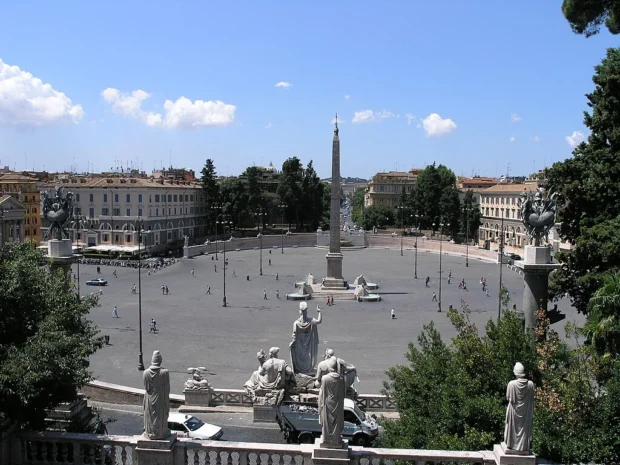
Piazza del Popolo, on the other hand, brings a different vibe. This is where Rome’s grand processions once began, and even now, you’ll spot local musicians and vendors sharing treats from market stalls. If you climb the gentle steps behind the piazza, Villa Borghese appears Rome’s largest park, green and breezy. During festivals, I watched families picnic under trees, vendors roasting chestnuts, and children running after puppet shows. It is a peaceful world away from the busy streets.
The Spanish Steps and Literary Corners
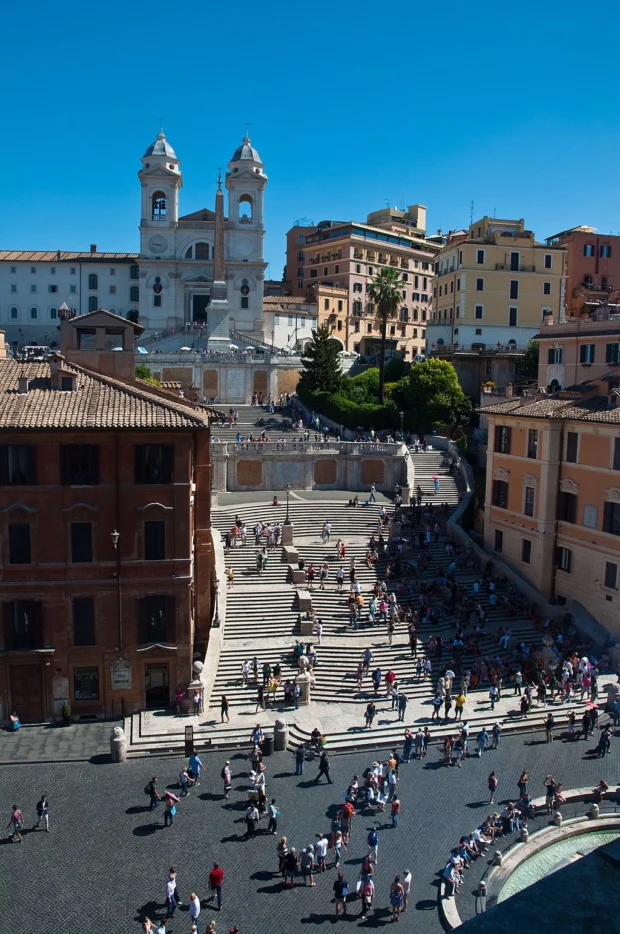
Descending the Spanish Steps always felt dramatic curved marble stairs, people from everywhere in the world pausing mid-way, and flowers blooming in bright pots during spring. I heard stories from a local guide about poets and painters staying in this quarter for inspiration. In the morning the steps are quieter, often swept clean, with only a few Romans reading newspapers or chatting.
This district, known for elegant shopping and literary history, shelters old cafés where Rome’s writers once shared gossip and arguments. Sometimes, sipping thick hot chocolate in a café, I would listen to an old man reciting snatches of poetry to a friend, lost in memory as sunlight filtered through tall windows.
Cultural Neighborhoods: Trastevere’s Warm Nights
Across the river, Trastevere winds through crooked lanes, its walls covered in ivy and ancient graffiti. This is Rome’s most bohemian corner a place of old churches, artisan shops, and evenings spent walking, talking, and sampling street food at curbside. I found traditional food here, like crispy supplì (rice balls) and thin pizza bianca, served at neighborhood bakeries. At dusk, tables spill out onto squares, laughter mingling with the scent of rosemary and roasting lamb.
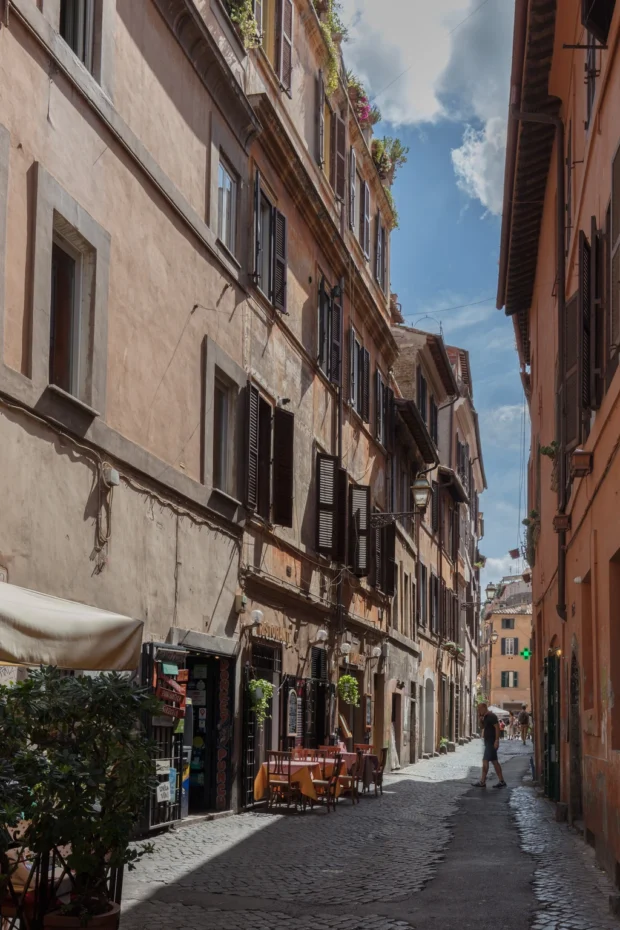
Some nights, folk music echoed from the windows above as neighbors played cards or welcomed newcomers. Trastevere is where you taste the Roman dialect both in food and in the way locals greet you with warm gestures.
Baths, Castles, and the Layered City
On a hot afternoon, I wandered south to the Baths of Caracalla. Tall walls and mosaic pieces remain, hinting at ancient luxury Romans once gathered here not just to bathe, but to exercise, gossip, and relax. The ruins now stand open to wind and birdsong, giving a sense of both the city’s wealth and its ability to survive centuries of change.
Just along the Tiber stands Castel Sant’Angelo, round and proud against the skyline. Originally built as a mausoleum for Emperor Hadrian and later used as a fortress, it has witnessed sieges, popes’ escapes, and even elegant balls. I watched a street musician play violin beneath its walls, the notes echoing softly over the water, and understood why Romans feel a special attachment to this strange, powerful building.

For a different slice of history, the Basilica di Santa Maria Maggiore rises on Esquiline Hill. Its golden mosaics and layered chapels shelter quiet prayer and remarkable art. I often passed by, even in ordinary moments, enchanted by the idea that centuries of Romans have done the same.

Everyday Life: Markets, Food, and Staying in Rome
Daily life in Rome is shaped by the markets small and large. I spent mornings walking Campo de’ Fiori, the square ringing with produce sellers calling out in the Roman dialect. Here, tomatoes shine, artichokes wear purple leaves, and the air smells of basil and old stories. Fresh bread, pecorino cheese, and juicy oranges appear by season, echoing traditions that stretch back centuries.

If you want to taste Rome, let yourself drift. In Trastevere and around Testaccio, seek out classic dishes. Romans take pride in “cucina povera” simple, honest food. My favorites included cacio e pepe (pasta with cheese and black pepper), crispy Roman-style artichokes, and carbonara made only with eggs, cheese, guanciale, and pasta. During festivals, I tried sweet treats like maritozzi, a light bun filled with cream, often shared at breakfast or with coffee.

Coffee rituals here matter: standing at the bar, ordering quickly (a simple “un caffè, per favore”), and never asking for espresso to-go. I found that observing locals in literary cafés, taking their time over a pastry, tells you much about the Roman pace of life.
Where should you stay? Rome invites patience and curiosity. The Centro Storico places you in the thick of the old city, where you can walk everywhere though evenings buzz with energy. For quieter nights, I sometimes chose guesthouses in Prati or near Villa Borghese; here, broad streets felt more residential, and mornings were gentle, with markets nearby.

Getting Around Rome: Practical Tips
Getting from Rome’s airports to the city center is simple without using a taxi. From Fiumicino Airport, the Leonardo Express train will take you to Termini station in about 30 minutes. Ciampino Airport links via regular buses to the city’s main metro stops. Rome’s public transport, while sometimes crowded, is reliable buses, trams, and two metro lines reach most sights, though exploring some of the oldest districts really happens best on foot. Don’t forget, some crossings are chaotic, so watch for drivers who barely pause at zebra stripes (trust me, that’s real Roman style).
Buying weekly or daily transport passes can save money if you plan to hop between neighborhoods. Bicycles and e-scooters now dot the city’s streets, though the cobblestones can be tricky in old quarters.
Small Customs, Big Memories
Roman life moves both fast and slow: quick gestures in markets, slow sips at dinner, never rushing ice cream on a hot day. While Italians appreciate a friendly “buongiorno” with eye contact, eating lunch on church steps or dipping toes in fountains is considered disrespectful. It’s common to see conversations start with strong gestures Romans believe words come alive through hands.
During festivals or market days, I joined in local cheers and clapping, learning that Romans celebrate loudly the city itself joins every party. Whether you sit on Piazza Navona to watch a puppet show, sample fried artichoke in the Jewish Ghetto, or wander Trastevere at sunset, you join a living tradition. Many say Rome is best visited slowly let the city’s layers show themselves as you walk, taste, listen, and look up.
Rome leaves you with a sense of richness beyond monuments here, history is not only in stone, but in laughter, aromas, and sudden moments when ancient and modern tumble together. Every return felt like a new beginning. I hope your Roman holiday offers the same: the city’s eternal heart, always waiting just around the corner.
Lover of cities, local cafés, and historic streets, exploring urban life with attention to architecture and culinary delights.
- Colosseum in Rome, Italy – April 2007 by Diliff on Wikimedia Commons – cc by-sa 2.5
- Colosseum, Rome, Italy (Ank Kumar) 03 by Ank Kumar on Wikimedia Commons – cc by-sa 4.0
- Capitoline Hill (16928436702) by Henning Klokkeråsen from Oslo, Norway on Wikimedia Commons – cc by 2.0
- 11826 – Vatican – Chiaramonti Museum (3482086595) by xiquinhosilva on Wikimedia Commons – cc by 2.0
- Italy-0175 – St. Peter's Basilica at Night (5137442385) by Dennis G. Jarvis on Wikimedia Commons – cc by-sa 2.0
- Façade of the Pantheon, Rome, Italy by Julian Lupyan on Wikimedia Commons – cc0
- Rome, Italy, The Trevi Fountain (Fontana di Trevi) by Vyacheslav Argenberg on Wikimedia Commons – cc by 4.0
- Piazza del Popolo (Roma, Italy) by WolfgangM on Wikimedia Commons – cc by 2.0
- Spanish Steps, Rome, Sept. 2011 – Flickr – PhillipC (3) by Phillip Capper from Wellington, New Zealand on Wikimedia Commons – cc by 2.0
- Via de la Scala, Trastevere, Roma, Italia, 2022-09-16, DD 17 by Diego Delso on Wikimedia Commons – cc by-sa 4.0
- Castel Sant'Angelo, Rome, 2023 by Julian Lupyan on Wikimedia Commons – cc0
- Basilica di Santa Maria Maggiore – 8 by Maros M r a z (Maros) on Wikimedia Commons – cc by-sa 3.0
- Piazza Navona 1 by Myrabella on Wikimedia Commons – cc by-sa 3.0
- 09749 – Rome – Roman Forum (3504237825) by xiquinhosilva on Wikimedia Commons – cc by 2.0

_03.jpg)
.jpg)
.jpg)
.jpg)

.jpg)
.jpg)
.jpg)


.jpg)