
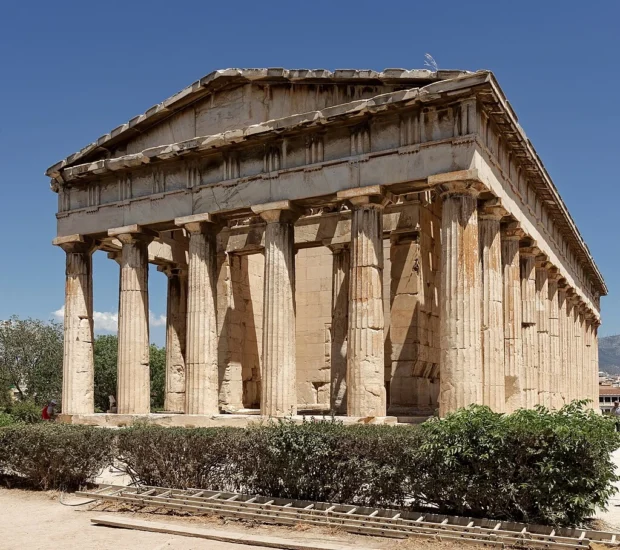
Athens, Greece is unlike any other city in Europe. It’s a crossroads of myths, legends, markets, and monuments a place where marble columns rise against blue skies and where the aroma of roasting lamb drifts across centuries-old plazas. As a global hub of heritage and the birthplace of democracy, Athens attracts people from many countries who want more than a simple holiday. The city is famous for the Acropolis, the Parthenon, traditional cuisine, and a deep culture that still shapes daily life. Whether you’re a lover of ancient wonders, a seeker of hidden courtyards, or simply someone who enjoys good street food, Athens offers its own kind of adventure.
Table of Contents
Athens Acropolis: A Symbol on the Hill
The heart of Athens is the Acropolis, standing majestically above the city on a rocky outcrop. Even if you’re arriving by metro, you’ll catch glimpses of its white marble pillars in the distance, glowing golden in the late light. This archaeological site has watched over the city for thousands of years, enduring wars and earthquakes. The Acropolis is not just a collection of old stones; it’s the very soul of Athens, reflecting both ancient pride and daily modern life.

Walk up the winding path through olive trees and you’ll hear the crunch of gravel underfoot, the same sound ancient philosophers once heard. The feeling is almost spiritual. From the plateau, the city of Athens spills out in all directions low rooftops, distant green hills, and the blue line of the sea. Take a moment to breathe, the Acropolis is a living museum surrounded by birdsong and the distant hum of city traffic.
Parthenon: The Crown of Greek Civilization
At the center of the Acropolis stands the Parthenon, the most famous temple in Greece. Built in the 5th century BCE, it was dedicated to Athena, the patron goddess of wisdom and war. Historians say that, at night, the Parthenon once glowed white under the moon and was visible from ships far out at sea. Its columns, slightly curved for visual perfection, are a marvel even for modern architects.
For a deeper understanding of the Parthenon’s history and visitor tips, see our detailed guide to Step into Ancient Athens at the Parthenon.

A close look reveals carvings of battles and gods scenes of mythical heroes whose stories children here still learn at school. Some parts of the temple are under careful restoration. Don’t worry, the scaffolding almost feels like a respectful touch. As one elderly guide told me, “Every stone here is a piece of Greek memory.”
Acropolis Museum: Connecting Past and Present
When you step into the Acropolis Museum, just a short walk from the hill itself, you move from brilliant sunlight into a cool, glass-filled world. Built over the ruins of ancient neighborhoods, the museum is modern but rooted in ancient soil. You can see the marble friezes and statues that once decorated the Parthenon, now protected from weather and pollution.
The Acropolis Museum offers a stunning view of Athens’ ancient treasures, linking the city’s past to its vibrant present.

Imagine ancient artisans carving them by hand! The top floor offers breathtaking views of the Acropolis the old and the new, face to face. Children run excitedly between exhibits, while visitors from every corner of the globe gather beneath the slender columns of the museum, sharing whispers in many languages.
Living Traditions in the Neighborhoods of Athens
Some of the best moments in Athens come not from monuments, but from wandering its neighborhoods. Take Plaka, just below the Acropolis a maze of narrow, sloping streets lined with pastel-colored houses, flowerpots, and twisting grape vines. You’ll find tiny shops selling hand-painted ceramics, cafes offering strong Greek coffee, and cats basking in sunny doorways. Some mornings, the scent of fresh bread hangs in the air, while in the evening, music spills from taverna doors and slippers shuffle along cobblestones.

Athenians greet each other warmly, often with a friendly “Kalimera!” The city is full of life and laughter. Locals gather in small grocers or at the neighborhood bakery, sharing news, advice, and stories. I once joined a group of elderly men sipping ouzo on a shaded bench they spoke of the city’s changes but kept their eyes on the Acropolis, as if seeking silent approval from the goddess Athena herself.
Markets, Crafts, and Authentic Greek Cuisine
For a taste of daily life, stroll through the Central Market near Monastiraki. The shouts of fishmongers and the colors of fruit stalls compete for your attention. I spotted spices piled in small mountains fragrant oregano, sharp paprika, and powerful mastic. The heritage of ancient trade routes lives on in this lively place.
Small souvenir stands display handmade jewelry and traditional textiles. If you have an eye for crafts, seek out the workshops behind the main market lanes, where you might find artisans creating mosaics and ceramics using age-old techniques.
When hunger comes, follow the aromas to a nearby taverna in Psiri or Plaka. Here, locals dine on grilled lamb, tangy feta cheese, and dolmades vine leaves stuffed with herbed rice. In the bustling evenings, tables fill with plates of moussaka and sweet baklava, washed down with a glass of chilled retsina wine or strong mountain tea. For a quick bite, order a souvlaki wrap in Monastiraki Square; juicy, smoky meat wrapped with tomatoes and onions is the easiest way to please a hungry traveler’s heart.
Historic Sites Beyond the Obvious
Not far from the Acropolis lies the Ancient Agora, once the marketplace and civic center of Athenian democracy. Walking these grounds, I imagined the great philosopher Socrates debating ideas under tall plane trees. Today, you’ll pass crumbling columns, a small museum, and a restored stoa (arcade) where local artists now sketch and sell their work.

A short walk away stands the Roman Agora, showcasing Greece’s shifting history from classical to Roman times. Here you find Hadrian’s Library, with its old stone walls and fragments of ancient texts. For those curious about the city’s funerary traditions, the Kerameikos cemetery offers a peaceful stroll among carved tombstones and wild poppies a mosaic of history in marble and grass.

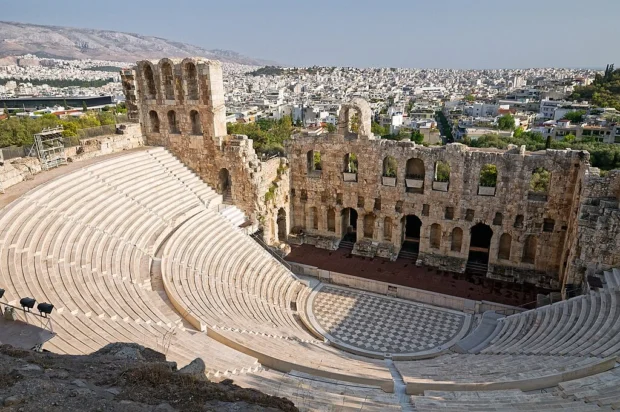
On the southern slope of the Acropolis, the Odeon of Herodes Atticus still hosts concerts each summer. The curved rows of stone seats and perfect acoustics bring audiences almost face to face with the ancient world. I had the chance to attend a music night here, where the music seemed to echo across epochs, bringing laughter and applause into the darkness.
Don’t miss the colossal columns of the Temple of Olympian Zeus, a reminder that even Athens cared to impress travelers from the east and far beyond. Once the largest temple in Greece, it is now only a handful of pillars, but their height and grandeur remain unforgettable especially at sunset, when their shadows stretch over green lawns.

Just across town, Syntagma Square marks the pulse of modern Athens. In front of Parliament, ceremonial guards dressed in traditional fustanella skirts move with exact, almost poetic steps. Crowds gather for the hourly changing of the guard a reminder that this ancient city is also a living capital, proud of its traditions.

I once lost my way and found myself outside the grand National Archaeological Museum, home to treasures from across Greece: golden masks from Mycenae, delicate Cycladic figurines, and pottery revealing scenes of daily life long ago. The museum’s quiet halls are a good place to escape the heat and wander back through millennia.

Another delightful stop is the Benaki Museum, housed in a neoclassical mansion. It’s a less-crowded gem, featuring works from the Byzantine period and artifacts from Greek homes through ages. Tracing the evolution of Greek style and taste here, I noticed echoes of both the Balkans and the Near East a living blend of cultures.

The Panathenaic Stadium, made entirely of white marble, is the only stadium in the world constructed this way. It hosted the first modern Olympic Games in 1896. Its horseshoe shape invites you to imagine crowds cheering for ancient athletes, a tradition that continues every four years as the Olympic flame is lit here before traveling the world.
If your legs still have energy, climb Mount Lycabettus, the highest hill in central Athens. It’s a challenging ascent, but from the top, the city unfurls beneath you in a grand panorama all the rooftops, temples, and winding alleys leading to the distant Saronic Gulf. At dusk, families bring picnics or simply sit on stone walls, watching the sun set and the Acropolis shine against the night.

Making Your Way: Transport and Staying in Athens
Getting from the airport to Athens city center is simple with the metro. Line 3 (blue) takes you from Eleftherios Venizelos International Airport straight to Syntagma Square in about 40 minutes. There is also a suburban railway and express buses, all clearly marked in English and Greek. If arriving by train or intercity bus, central stations offer easy connections to the metro and tram lines.
Most of Athens’ highlights are within walking distance in the historical center. For longer distances, the metro covers almost every neighborhood. Tickets can be bought at machines with English, and one ticket works for metro, buses, and trams. Buses and trams are punctual, but Athens’ traffic can be lively consider the metro the fastest choice.
Where to stay? The Plaka and Monastiraki districts are perfect for history lovers they put you close to the main sites, and every morning you wake up to quiet streets echoing with church bells. Kolonaki is more elegant, with leafy squares, chic boutiques, and small art galleries. For a bohemian mood, Exarchia offers music bars, bookstores, and alternative art spaces a hint of the city’s dynamic character. Apartments and guesthouses are a smart choice for longer stays, often with balconies facing ancient stone or leafy courtyards where locals still play backgammon in the evening.
Traditional Athens: Customs, Etiquette, and Local Spirit
Greek hospitality is legendary. People often invite strangers to join their table or offer a cup of coffee to visitors. In markets and small shops, a friendly greeting is always appreciated. It’s polite to use “please” (parakaló) and “thank you” (efcharistó). When entering a church or monastery, modest dress is expected; shoulders and knees should be covered.
Don’t be shy to ask for directions Athenians are proud of their city and happy to share a favorite café or shortcut. Even if language barriers appear, gestures and smiles carry the meaning.
A quirky local rule: don’t flush paper down the toilets instead, use the special waste bins provided. This surprises many visitors, but Athens’ old plumbing is delicate, and locals have mastered this routine with a sense of humor.
Lunches often begin late and can stretch into afternoon; dining out is a social ritual. Avoid rushing. Even amid the city’s traffic and conversations, meals are a time for sharing and storytelling.
Heritage Trails and Living Past
Every street in Athens feels like a heritage trail. Old Byzantine churches stand beside modern apartment blocks, and sometimes you pass Ottoman fountains or Venetian gates remnants of the city’s layered history. Street names recall philosophers, sea traders, and ancient rulers. In Anafiotika, a tiny neighborhood tucked behind the Acropolis, whitewashed houses resemble distant Cycladic islands, built by craftsmen who once came from Anafi to restore the city’s royal palace.
Ethnographic notes fill the city vendors selling koulouri (sesame bread rings) every morning, mosaic-faced churches shining quietly in courtyards, and the sounds of rebetiko music echoing from a distant café. The oral tradition is strong; older Athenians share tales of wartime hunger and Olympic triumphs in the same breath. Even the crafts and markets carry hints of the city’s Balkan and Eastern Mediterranean connections, visible in fabrics, jewelry designs, and local dialects.
If you watch closely, you’ll see that Athenians don’t just preserve their heritage they live it. Schoolchildren march in the yearly Independence Day parade near Syntagma, and on feast days, Byzantine hymns rise from ancient churches shrouded in incense.
What Makes Athens Memorable: My Reflections
After my days wandering Athens, I left with dusty shoes, a pocket full of metro tickets, and a heart fluttering with stories. It’s a city where the new and the ancient interlace where a bustling café may hide 2,000-year-old ruins in its basement, and where legends seem to echo in the orange glow of evening light.
No matter how many sites you visit the Acropolis, the Parthenon, the museums, or the shaded corners of Plaka Athens is best met with open eyes and a sense of wonder. This city rewards curiosity, whether you’re searching for an old mosaic down a side street or sharing a meal with strangers.
In the end, Athens is not about a checklist of famous places, but about moments: the bite of fresh feta, the sound of street musicians under temple shadows, and the constant conversation between past and present. The city invites everyone into its story one where every visitor leaves a small trace, just as every stone keeps a memory.
For a change of pace along the Aegean coast, the fresh atmosphere of Izmir’s lively seafront and historic sites brings a vibrant contrast to Athens’ ancient hills.
Explorer of historical towns, ancient ruins, and traditional markets, combining modern travel with interest in heritage.
- Hephaisteion, Athens, Greece, 20240531 1427 9753 by Jakub Hałun on Wikimedia Commons – cc by 4.0
- Attica 06-13 Athens 50 View from Philopappos – Acropolis Hill by A.Savin on Wikimedia Commons – cc by-sa 3.0
- Lady sitting in front of Parthenon on Acropolis, Athens, Greece by Kristoffer Trolle on Wikimedia Commons – cc by 2.0
- Acropolis Museum Interior by Bandelmug on Wikimedia Commons – cc by 4.0
- Acropolis and Plaka district, Athens, Greece – panoramio by G Da on Wikimedia Commons – cc by-sa 3.0
- Ancient Roman Agora (Athens) 20180221-2 by Suicasmo on Wikimedia Commons – cc by-sa 4.0
- Athens, Ancient Roman Agora 05 by Palickap on Wikimedia Commons – cc by-sa 4.0
- 2016-08-03 Greece, Athens, Odeon of Herodes Atticus DSC 9747 DxO 2 by Laurens R. Krol on Wikimedia Commons – cc by 4.0
- Temple of Olympian Zeus, Athens, Greece (13992895766) by Carole Raddato from FRANKFURT, Germany on Wikimedia Commons – cc by-sa 2.0
- SYRIZA party rally. Syntagma Square fountain on May 24, 2019 by George E. Koronaios on Wikimedia Commons – cc by-sa 4.0
- Building of the National Archaeological Museum of Athens (DSC 6212) by Antonis Giakoumakis on Wikimedia Commons – cc by-sa 4.0
- Benaki Museum Athens by Dimboukas on Wikimedia Commons – cc by-sa 3.0
- Athens with Mount Lycabettus and the Stoa of Attalus from the Areopagus on August 5, 2019 by George E. Koronaios on Wikimedia Commons – cc by-sa 4.0


_20180221-2.jpg)


.jpg)

.jpg)

