
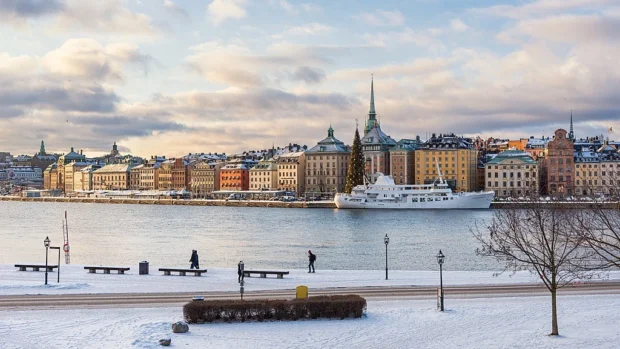
Stockholm, a city that glistens at sunrise and whispers stories at dusk, is more than a northern capital it’s an open invitation to curiosity. The Swedish capital stands remarkably on fourteen islands, linked by graceful bridges and the gentle current of Lake Mälaren. Whether it is the pastel walls of Gamla Stan shimmering under summer light, the distant call of ferry horns, or the scent of cinnamon and cardamom drifting from a cozy café, Stockholm lures you in, step by gentle step. For anyone searching for what to see, eat, or feel in Stockholm, let these thoughts guide you through the city’s living history and contemporary charm.
Table of Contents
Arriving in Stockholm: First Impressions
From the moment I boarded the Arlanda Express at the airport, I sensed Stockholm valued both function and beauty. The gleaming trains whisk visitors into the city center in just 20 minutes, gliding past deep pines and copper-colored rooftops. Central Station, a busy hub with polished stone floors and wooden benches, opens like a gateway one side blinking with buses and trams, the other melting into city blocks filled with history. With a simple SL travel card, you can switch smoothly from metro to ferry, unlocking every corner of the city.
Gamla Stan: Stockholm’s Painted Heart
Gamla Stan—the Old Town—sits like a medieval stage set. Its winding cobblestone lanes snake between ochre walls, iron rain spouts, and painted shutters. Here, the city’s heartbeat is strongest. In Stortorget Square, the Noble Museum stands, modest but packed with stories behind the world’s most faous prizes. Nearby, the Royal Palace rises with calm dignity. Stroll along, and you might see the blue-uniformed guards change shift; the spectacle is not grand or overblown, but a small, orchestrated moment—orderly, traditional, and unhurried.
Gamla Stan’s timeless alleys form the heart of Stockholm. Learn about its peaceful charm and local stories in Wandering Through The Timeless Alleys of Gamla Stan, Stockholm.


On a side street, I slipped into an old literary café, the walls lined with worn books and quiet conversations. Locals lean over their coffee fika is not only a break but a ritual, a slow pause for a pastry, perhaps a cardamom bun, and rich dark filter coffee. Sweet, spicy scent fills the air. I watched one lunchtime as leaders and students sat side by side, letting the city’s history seep into their daily rhythm.
Wonders of the Vasa Museum: A Ship’s Silent Majesty
Djurgården, an island just east of the city center, could fill days with its museums and parks. The Vasa Museum houses Sweden’s most curious relic: a huge 17th-century warship, raised from the sea after three centuries. Walking into the cool, shadowed hall, I looked up at rows of carved wooden figures, silent and proud, their faces worn by time and water. The ship itself is both beautiful and tragic magnificent when it left the harbor in 1628, doomed within minutes as it sank before the eyes of Stockholm. Now, preserved under low light, it tells stories of ambition and folly, as school children lean close to glass displays, and older visitors stare up, eyes wide. The museum cleverly blends drama and detail, with models, maps, and even little hands-on stations where you can feel the rough grain of wood as it might have felt in the 1600s.
For those captivated by maritime heritage, the nearby Vasa Museum on Djurgården reveals a majestic 17th-century ship that enriches Stockholm’s island treasures.

Skansen: Swedish Life in Open Air
A short walk away, Skansen stitches together Sweden’s rural past and urban present. This open-air museum sets old farmhouses and wooden stalls among rolling hills, each staffed by people in hand-sewn costumes. I stepped into a pottery workshop, the air thick with clay and wood smoke, and watched a woman spin a pot while singing quietly to herself. Out in the fields, native animals elk, wild boar, traditional cattle wander through leafy pens, while children in red mittens pause to feed goats.

Skansen is not a place you rush. Here, I tasted sweet hard bread and smoked sausage, the flavors hearty and deep, and listened to folk musicians as their fiddles and accordions drifted over the picnic grass. In spring and summer, local festivals bring even more color maypole dances, old songs rising as families gather, and craftspeople shape glass or bake over ancient stoves. Even in winter, when snow dusts the rooftops, Skansen glows with Christmas markets, lanterns, and glögg (mulled wine).
Highlights of Modern Art and Culture
If the past is Stockholm’s foundation, its present lives in the galleries and concert halls. On Skeppsholmen island, the Moderna Museet (Museum of Modern Art) is a startling white cube with windows filled with Baltic light. Inside, daring Swedish and international artists share the walls bold paintings, haunting photos, sculptures that twist conventional sense. Here, I spent an hour facing a giant orange mobile that moved with air currents, making children giggle and adults ponder.

A walk along Södermalm’s waterfront leads to Fotografiska, Stockholm’s temple of photography. The old brick building breathes with creative life portraits, landscapes, and experimental works crowd the walls. The cafe upstairs, with wide windows over the sparkling water, is perfect for a slow lunch of smoked salmon salad or creamy herring. Evenings, the cafe buzzes with local voices, and the view sweeps across the city’s islands a postcard you can almost taste.

Music pulses through Stockholm’s veins. On Djurgården, ABBA The Museum draws crowds with costumes, songs, and glitter, letting visitors sing along or pose for silly photos. Even if you are not a fan, the energy is infectious everyone leaves humming “Dancing Queen” beneath the linden trees. Meanwhile, the grand halls of the Royal Opera and Konserthuset host both classic and experimental music, sometimes with standing ovations, sometimes just a quiet nod of appreciation.

Savoring Stockholm’s Culinary Heritage
Food is woven into Stockholm’s soul. Each district has a distinct flavor, shaped by history and new arrivals. In Östermalm, market halls brim with smoked fish, sharp cheese, and handcrafted pickles. At a simple outdoor stool, I tried gravlax cured salmon with sweet mustard and dill, laid generously atop rye crispbread. The tang and salt burst against velvet fish, a marriage of forest and sea.
Södermalm, the city’s creative pulse, offers more modern tastes. Here, the streets hum with sushi bars, vegan takes on Swedish classics, and airy sourdough bakeries. I joined a line for pastries dusted with pearl sugar kanelbullar, the famous cinnamon bun, best eaten while still warm, its scent mixing with rain on the pavement. At weekends, squares like Nytorget fill with farmers’ stalls: wild berries, honey, and forest mushrooms, their colors as bold as the music played by street buskers.
If you look closely in Vasastan, small bistros serve creamy meatballs (köttbullar) with lingonberry sauce and buttery potatoes, while cafes encourage you to linger for a second coffee. Late afternoons are marked by smorgasbord the classic Swedish buffet where pickled herring, potato salad, and tiny fried fish appear in endless variety. There is almost always room for a slice of princess cake, its marzipan cover almost too pretty to cut.
Daylight, Water, and Unexpected Delights
Light is an event in Stockholm not an afterthought. In summer, the sun barely sets; pink dusk stretches into blue morning, and the city never sleeps. By contrast, in winter, cafes glow against the dark, and candles flicker in every window, turning the city into a lantern-lit fairy tale. You notice small things: how Stockholmers leave boots by the door, shaking off snow before entering a room, or how the city’s trams and ferries keep moving, whatever the weather.
You hear the slap of oars as rowboats glide past the City Hall, its red brick tower guarding shimmering water. On calm mornings, I watched locals plunge into the water for a brisk swim yes, even in autumn! Eager photographers often gather on bridges, hoping to catch the “golden hour” when sun and lake light merge, painting every façade.

Wander the Södermalm cliffs for the best views Mosebacke’s terrace, for instance, where artists and old friends gather in the shadow of trees, sipping local beer as ferries dart between islands. In the evenings, jazz spills from hidden bars, and the city exudes energy but rarely wildness it is urban, but not brash; sophisticated, yet eager to welcome.
Drottningholm Palace and Royal Retreats
Not all of Stockholm’s wonders live in the heart of the city. A short boat ride west leads to Drottningholm Palace, the Swedish royal family’s official home. This is no stark fortress but rather a palace nestled among gardens of symmetrical hedges, sculpted fountains, and romantic pathways. Walking through its ornate halls, I spotted ceiling frescoes and marble fireplaces a blend of European elegance and Swedish restraint.

The theater at Drottningholm is another understated joy: built in the 18th century, it remains almost unchanged, with mechanical stage sets and gilded boxes. Sometimes, you hear stories of secret tunnels and escapes echoes of royal intrigue still whispered by guides. The gardens tempt you to linger. Locals walk their dogs here, or simply pause to read beneath hundred-year-old trees.
Small Customs and Cultural Insights
Swedes value modesty, privacy, and equality a quiet code shapes daily life. Do greet with a friendly “hej,” but don’t rush into loud or overly personal conversation. Shoes come off at most homes and sometimes even in certain shops. Swedes take time for fika a daily pause, not just for coffee and cake, but for connection, whether with friends, family, or colleagues.

One charming oddity: Stockholmers hate to queue-jump. Lines are patient and respectful; cutting in is rare and frowned upon. On public transport, silence often rules no loud phone calls, but a sea of headphones and thoughtful gazes. Public spaces, from subway art to clean city parks, are treated with silent care, even pride. Art pops up in unexpected spots: mosaic tiles, painted benches, and poetic lines written in tunnel stations.
Where to Stay and Sleep Well
Accommodation in Stockholm reflects the city’s soul: practical, inviting, and full of subtle style. Many historic buildings have been lovingly repurposed; you wake up in a former warehouse, a merchant’s townhouse, or even a ship moored by the water. I found simplicity with warmth light wood, woven wool blankets, and large windows that fill rooms with soft northern light. Even the smallest places offer some quiet charm, from breakfast trays with homemade bread to thoughtful local guides on the bedside table.
Most hotels and guesthouses cluster in Norrmalm and Östermalm steps from Central Station, shopping, and busy city squares. If you prefer a more bohemian atmosphere, Södermalm’s guesthouses put you close to cafes, music bars, and leafy playgrounds. Wherever you stay, the city is compact: walking, cycling, or taking a quick metro ride means you are always near a new view or taste.
Unseen Corners and Local Surprises
Stockholm keeps a few secrets up its sleeve. Down alleys behind Gamla Stan’s main street, I uncovered a tiny glassblower’s studio where a father and son shape molten glass into delicate sculptures. On Sundays, vintage markets spill into the stones at Hötorget, the air alive with vinyl records, handmade jewelry, and decades-old Swedish novels. Don’t overlook the quiet courtyards many, like Brända Tomten, offer a well-placed bench for people-watching among rose vines and chestnut trees.
Listen to local tales on a ferry ride the captain might point out the “ghost island,” a dot of land linked with vanished ships and faint lanterns said to appear in the mist. Or, on a rainy evening, pop into a cellar jazz club in Södermalm, where candles flicker above checked tablecloths and strangers become friends over crumbly almond cake and tart gooseberry jam.
Leaving Stockholm: Things That Linger
When you leave Stockholm, it travels with you. The breeze of islands, the aftertaste of rye and herring, and the kindness found in slow smiles or a carefully poured cup of coffee linger long after your last walk along the water. It is a city of small details: a forgotten rune stone under a tree, chanting from a street performer outside City Hall, or the sunlight painting gold across the Royal Palace. Curiosity is always rewarded here. If you visit, bring your openness and prepare to see, taste, and feel more than you imagined possible.
For a glimpse of another northern capital’s rich history and vibrant streets, check out Tallinn Old Town’s medieval charm.
Lover of cities, local cafés, and historic streets, exploring urban life with attention to architecture and culinary delights.
- Skeppsbrokajen Gamla Stan from Skeppsholmen Stockholm 2016 01 by Julian Herzog (Website) on Wikimedia Commons – cc by 4.0
- Royal Castle in Stockholm (by Pudelek) by Pudelek on Wikimedia Commons – cc by-sa 4.0
- Gamla stan September 2014 01 by Arild Vågen on Wikimedia Commons – cc by-sa 4.0
- Stockholm – Vasa Museum – April 2019 02 by Liridon on Wikimedia Commons – cc by-sa 4.0
- Skansen, Stockholm (by Pudelek) 3 by Pudelek on Wikimedia Commons – cc by-sa 4.0
- MODERN MUSEUM MODERNA MUSEET STOCKHOLM (19) by Emmawickstrm on Wikimedia Commons – cc by-sa 4.0
- Fotografiska – panoramio (2) by Artem Korzhimanov on Wikimedia Commons – cc by 3.0
- Abba the Museum 2019 by Wimvantklooster on Wikimedia Commons – cc by-sa 4.0
- Kungsholmen, Stockholm, Sweden – panoramio – Николай Семёнов (5) by Николай Семёнов on Wikimedia Commons – cc by 3.0
- Drottningholm Palace by Rizvi iut on Wikimedia Commons – cc by-sa 3.0
- Swedish Academy, Stockholm by Adam.thomp07 on Wikimedia Commons – cc by-sa 4.0

.jpg)


_3.JPG)
.jpg)
.jpg)

.jpg)

