

Podgorica, the capital city of Montenegro, remains a fresh canvas for any curious traveler. Unlike some better-known European cities shaped by centuries of trade and noble history, Podgorica wears its identity openly as a city rebuilt and reinvented especially after the dramatic changes of the 20th century. Whenever I walk its broad boulevards or stand atop its old bridges, I realize how this city gently blends Orthodox, Ottoman, and Austro-Hungarian influences with eager modern ambitions. Podgorica sits at the meeting point of five rivers, and each visit feels like being at the heart of the old Balkans, but with the comfort and ease of a much newer city. The city’s warmth is more than its Mediterranean climate it’s in the slow cafes, the neighborly greetings, and the everyday rituals that anchor life here. This is a place where history and regular daily life coexist, and meaningful discovery waits on every street.
Table of Contents
Podgorica Landmarks: Bridges and River Stories
Our walk across Podgorica’s center always returns to the water. The Millennium Bridge is not just a local symbol it is a sign of Podgorica’s modern spirit. Crossing the Morača River, this white cable-stayed bridge looks futuristic against the green water and rocky banks beneath. From here, you see Podgorica changing new buildings sharing the skyline with old, and locals on both sides enjoying riverside strolls. Young people take selfies at sunset, while older couples lean over the railings to chat and watch the city go by. This bridge is not just for cars and pedestrians; it is also a favorite postcard image, representing new Montenegro’s leap into the 21st century.

Just upstream, you find a bridge from another era. The Old Ribnica River Bridge stands quietly, sometimes overlooked by hurried feet moving toward the business district. Built by the Romans and rebuilt during Ottoman times, it spans the small Ribnica River, which meets the Morača nearby. As I walked across one sunny morning, I felt the coolness rising from the stones worn shiny by centuries of use. Some say this bridge is the oldest surviving structure in the city, and you can imagine caravans, messengers, and city children using this very route for hundreds of years. Under the arches, young artists sometimes gather to sketch, inspired by the ancient stones and gentle sound of water.

On top of a nearby hill, the Clock Tower rises high above the neighborhood of Stara Varoš one of the oldest Ottoman districts in Podgorica. Built in the 17th century, this stone tower was Podgorica’s way to keep time long before pocket watches and cell phones. The call to prayer and the count of the hours once echoed from its top. Today it is quiet, but standing next to it, you see how daily life still swirls around as locals walk from market to market carrying bread and fresh vegetables in handmade baskets. The tower’s presence reminds us that even as Podgorica grows, its most important landmarks remain part of everyday routines.

Unexpected Moments at Podgorica’s Monuments
Not far from the riverbanks, the Dajbabe Monastery waits in surprising peace. Built partly inside a cave, this Orthodox monastery sits just outside the city and is reached by a short public bus ride from the busy center. Inside, candlelight flickers across rich, colorful frescoes on the cool rock walls. The scent of wax and wildflowers drifts from small offerings left by the faithful. I learned from a young novice that “Dobro došli,” meaning “welcome,” is more than a greeting here it’s a gentle gesture, inviting pilgrims and visitors alike to share in the quiet beauty of this sacred place.

Back in the center, King Nikola’s Palace now serves as a city museum but once was home to Montenegro’s last king. The pale building with red tiled roofs and modest towers hints at royal tastes simple yet elegant. Inside, you find rooms filled with royal costumes, black-and-white photos, and even the personal books of Montenegro’s royal family. One local guide, Mila, quietly told me: “Na zdravlje,” which means “cheers” or “to your health,” and explained that the royal family helped bring the small country onto the European stage over a century ago. Today, children run on the shaded palace lawns, just as they might have during those royal days, while families picnic among the linden trees.
Podgorica’s Historic Streets and Places of Worship
History flows through Podgorica, not only in big monuments but in smaller places, too. St. George’s Church, at the foot of Gorica Hill, is the oldest Christian church in the region built in the 10th century. Its yard is filled with ancient gravestones and tall cypress trees that rustle even when there is no wind. The small stone church, decorated with faded frescoes, feels intimate, a place where generations have celebrated and mourned. I met an old caretaker here, who greeted me with “Izvolite,” kindly encouraging me to come in and look closer. He shared that weddings and baptisms still happen in this church, connecting families to centuries of tradition.
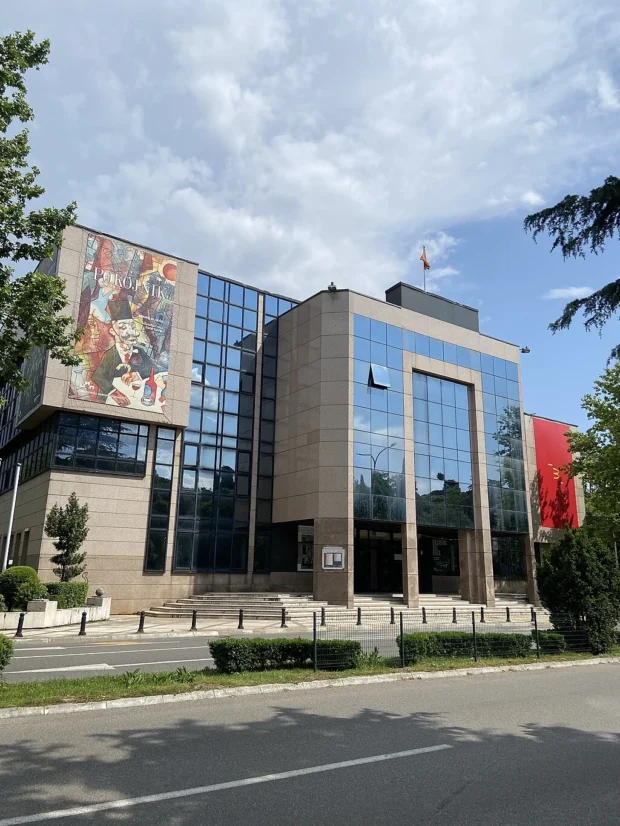
Podgorica’s urban life is youthful and lively, but its roots remain. The Montenegrin National Theatre is the heart of local performing arts. Classical dramas, comedies, and local folk music concerts fill the beautiful building on many evenings. I attended a play performed in both Montenegrin and English, so visitors could enjoy the story and the local actors’ infectious energy. This theater draws crowds from every part of the city students, workers, and grandparents alike showing how Podgorica nurtures both heritage and innovation.
Green Parks, River Views, and More City Highlights
If you need a break from urban streets, Gorica Park is Podgorica’s green heart. Locals use it for everything: jogging, chatting, walking dogs, and drinking coffee in the shade. The air smells of pine, and small trails take you up to the top of the hill where city views rival any high-rise. On weekends, families cook “ćevapi” (minced meat skewers) over portable grills, and street musicians sometimes play old Balkan tunes adding a friendly soundtrack to the park’s easy pace.
Equally dramatic is the Morača River Canyon, right at the edge of the city. The river cuts a narrow gorge through stone cliffs, so beautiful it can make you stop mid-sentence. One afternoon, a local fisherman invited me to join him on the rocks, saying “Hvala,” a simple “thank you,” as he showed me how to cast a line. The river is blue-green, sometimes wild, and always part of Podgorica’s rhythm. In spring, the canyon fills with wildflowers, while in summer, brave swimmers jump into the cool water.

Heritage museums in Podgorica, such as the Podgorica City Museum, showcase the region’s past from prehistoric artifacts to Roman mosaics and Ottoman crafts. While the museum’s exterior does not shout for attention, it is inside where you appreciate Podgorica’s role as a meeting point of civilizations. I was fascinated by displays of ceramics and textiles made by local families many are still crafted in nearby villages using ancient techniques. The staff told me that every year, they host special “heritage days” where artisans come to demonstrate traditional weaving and pottery.
Tastes of Podgorica: What to Eat and Where
Podgorica’s food is a reflection of its crossroads character. The city’s daily markets are an essential place to visit, especially in the Novi Grad district where stalls overflow with local cheeses, honey, olives, and vegetables from the fertile Zeta Plain. Morning visitors snack on “burek” a flaky pastry filled with cheese or meat, usually served with a glass of cold yogurt. The best place to eat burek is a busy bakery at a street corner, where locals chat and share jokes as they buy breakfast for their families.
For lunch or dinner, traditional Montenegrin cuisine is heavy on grilled meats, river fish, and hearty soups. In the Stara Varoš district, small restaurants serve “kačamak,” a comforting mix of potatoes, cornmeal, and cheese, perfect after a day’s walk. “Sarma” cabbage leaves stuffed with minced meat and rice is another favorite, slow-cooked and served with thick bread. Many places offer fresh trout caught from nearby rivers, grilled and dressed simply with lemon and herbs. For a sweet finish, “priganice” (small doughnuts dusted with sugar) are a local treat, often enjoyed with homemade plum jam and a glass of rakija, the region’s powerful fruit brandy.
The city’s café culture remains strong. Outdoor tables fill up every evening as people gather for small coffees and big conversations. You will usually be greeted with a smile and the word “Zdravo,” the classic Montenegrin hello. In Podgorica, friendliness is real strangers often become friends by the end of a meal. Tipping is customary, but not mandatory; most locals leave small change after coffee or a meal. The atmosphere is relaxed, and taking your time is not just allowed, it is appreciated.
Podgorica Transport and Getting Around the City
Podgorica’s transport is straightforward, designed for both visitors and locals. From Podgorica Airport, city buses run frequently to the center, with a journey of around 20 minutes. The main train and bus stations sit near the city center, making it easy to travel to other Montenegrin cities like Cetinje or head down to the Adriatic coast. Within Podgorica, public buses are reliable and cover most neighborhoods, including tourist sites such as Gorica Park, Stara Varoš, and the Dajbabe Monastery.
Cycling is popular on the flat city streets, and bike rentals are available around key squares. Walking is safe and, in many cases, the best way to notice small details: the sound of a market, the call of a baker, or the sight of old women wearing traditional headscarves. Many locals prefer to walk short distances, and the city’s compact size makes this pleasant. Pedestrian crossings are well-marked, though it is polite to make eye contact with drivers before crossing. Avoid jaywalking, as locals value order and mutual respect in public spaces.
Podgorica’s Customs, Etiquette, and Living Traditions
Podgorica’s people appreciate simplicity, respect, and warm greetings. When meeting someone, a firm handshake and a genuine smile set a positive tone. In Orthodox churches and religious sites like St. George’s or Dajbabe Monastery, it is expected to dress modestly and speak quietly hats off for men and shoulders covered for women. In cafés and markets, conversations are lively but polite. Locals love to discuss family, football, and, almost always, the weather.
Hospitality is a way of life. If you are invited to someone’s home less rare than you might imagine shoes are usually taken off at the door, and guests are offered coffee, juice, or a small sweet as a first welcome. Refusing these can be considered unfriendly, so accept at least a taste. Folk traditions are alive, especially in rural districts around the city. If you visit during festival times, you might see “kolo” a fast, spinning circle dance with accordion music. Watching these moments reminds you how Podgorica keeps its old ways alive, even as it changes.
Markets, Crafts, and Surprising Sights
Podgorica’s markets deserve a second visit. Early morning is the best time to watch the city come alive, especially at the green market near the city center. Stalls overflow with peppers, tomatoes, figs, and still-warm bread. Artisans sell woolen socks, embroidered napkins, and hand-woven rugs. One stallholder told me about her grandmother’s weaving tradition, saying, “Svako dobro” literally “all the best,” the local way to wish someone well. Just walking these aisles, you understand Montenegro’s rural heritage and respect for handmade goods.
Podgorica also surprises with small oddities. In some streets, you find modern murals on crumbling Soviet-era apartment blocks, colorful and witty. There are random statues, including a bronze of Vladimir Vysotsky, a Russian singer who never visited Podgorica but is beloved here for his rebellious spirit. These touches give the city personality proof that even in a capital, local quirks outshine big monuments.
Where to Stay and Night Scenes
Podgorica offers plenty of accommodation for every taste old guesthouses hidden in Stara Varoš’s lanes, new apartments near the Millennium Bridge, and friendly family-run lodges close to Gorica Park. Prices are usually reasonable, and most places welcome visitors with homemade treats or strong coffee. Staying near the river lets you hear the sound of running water at night, a small pleasure in any city. Neighborhoods near the main theater or the historic clock tower are especially convenient for walking and offer easy access to the best city sights.
Nightlife in Podgorica is friendly but relaxed compared to other capitals. Fancy nightclubs are rare, but open-air bars along the Morača River fill up in summer. Locals sit for hours over slow drinks, laughing under strings of colored lights. Occasional folk music concerts spill into the parks and squares, while city youth gather at electronic music nights organized in hidden courtyards off the main streets.
For a change of scene, the Savior on Spilled Blood in Saint Petersburg offers a stunning mosaic-covered church blending history and art deeply rooted in Russian heritage.
The Heart of Podgorica: Old and New Next to Each Other
Podgorica is both city and village at once a place where river and stone, old tower and new bridge, morning rituals and evening music blend seamlessly. Its everyday customs echo with ancient memory, but its ambitions are as fresh as the Millennium Bridge’s white lines against the sky. Quiet moments by the Ribnica River, the company of cheerful coffee drinkers, and the sight of children running through palace gardens all leave a mark deeper than any museum ticket ever could.
For those who love historic towns near water, Corfu’s blend of Greek and Venetian heritage offers a charming complement to Podgorica’s riverside bridges and local life.
To truly understand Podgorica, walk slowly. Listen for “Zdravo,” “Dobro došli,” and “Hvala” as the city speaks to you in small acts of welcome. Let the river canyons take your breath, and let a cup of strong coffee open a quiet conversation with someone new. After a few days, you will see the city’s history not just in its famous sights, but in every local smile and every small ritual from Dolac market to the steps of the old clock tower. Podgorica waits not as a grand stage, but as a living city where the bridges between past and present are always open.
After enjoying Podgorica’s lively bridges and culture, consider a visit to Manneken Pis in Brussels to experience another city’s unique charm through a famous small landmark.
Eastern Europe travel specialist uncovering hidden gems from the Baltics to the Balkans.
- Downtown, Podgorica 81000, Montenegro – panoramio by ines lukic on Wikimedia Commons – cc by 3.0
- Moj grad – panoramio by ines lukic on Wikimedia Commons – cc by 3.0
- Old Town, Podgorica 81000, Montenegro – panoramio (2) by ines lukic on Wikimedia Commons – cc by 3.0
- 2018-04-27 Podgorica clock tower by Dag Terje Filip Endresen on Wikimedia Commons – cc by 2.0
- Manastir Dajbabe – panoramio (2) by ines lukic on Wikimedia Commons – cc by 3.0
- CNPPG by Desemeus on Wikimedia Commons – cc by-sa 4.0
- Kanjon Moraca – panoramio by Nedzad Hodzic on Wikimedia Commons – cc by 3.0


.jpg)

.jpg)

