
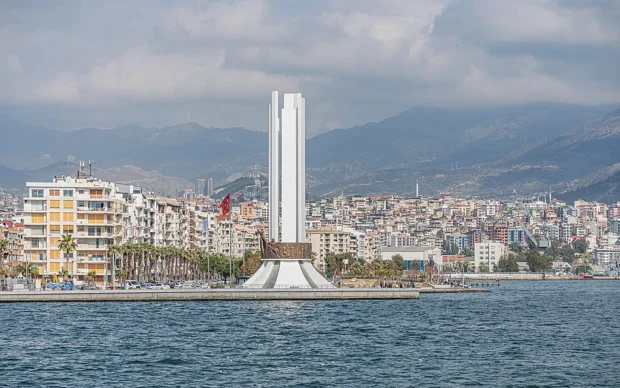
On the Aegean coast of Turkey sits Izmir a city that feels alive with the sound of seagulls and the scent of simit bread toasting by the sea. My first gaze across its wide bay was colored by the buzz of ferries, the old shade trees lining the Kordon promenade, and a kind of timelessness you can hold only for a moment before it vanishes into the sunlight. Izmir is where the old stone of the ancient world meets the clatter and rhythm of modern Turkish life. With every street, every smile from a tea vendor, every lively square, this city offers a thousand stories, and perhaps, a gentle lesson: things change, but some spirits stay.
Table of Contents
Konak Square and the Pulse of Izmir
Start at the heart: Konak Square. This is the living room of Izmir, a space where pigeons gather and people from all walks of life pass by. The square is famous for its delicate Clock Tower, built in 1901 as a gift from German Emperor Wilhelm II. It’s not grand in size, but the stonework is fine, mixing Ottoman and North African touches. Locals meet here for tea, political rallies, or just to enjoy the soft Aegean breeze after work. Not far away, the city’s oldest mosque Yalı Camii hides under its blue-tiled dome, modest and lovely, a reminder of centuries of prayer and daily routines intertwined.
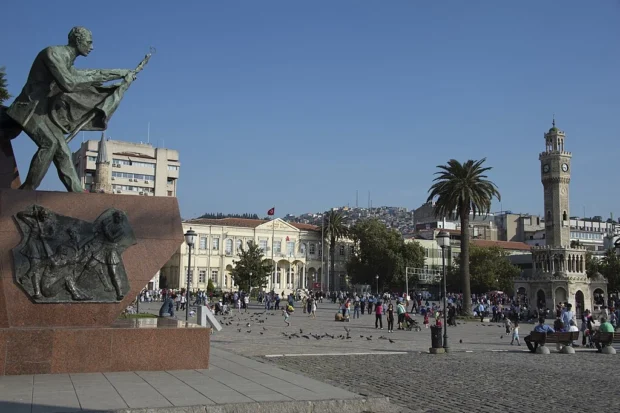
If you’re lucky, you might catch a street musician playing saz, with the tunes trailing over the square and blending with the calls of shopkeepers. Children chase the pigeons, ice cream sellers ring little bells, and buses slip by with their own rhythms. Even on the busiest mornings, Konak feels like the kind of place you return to in dreams, a crossroads both literal and symbolic.
Izmir Agora: In the Shadow of Empires
Hidden just behind the modern bustle stands the Izmir Agora, a lasting relic of the city known once as Smyrna. When you step in, the sound of traffic fades; you can almost hear the whispers of merchants haggling for olive oil and purple-dyed fabric two thousand years ago. This was the commercial and political heart in Roman times think of it as Athens’ market, but with more Mediterranean sun and less marble left standing.
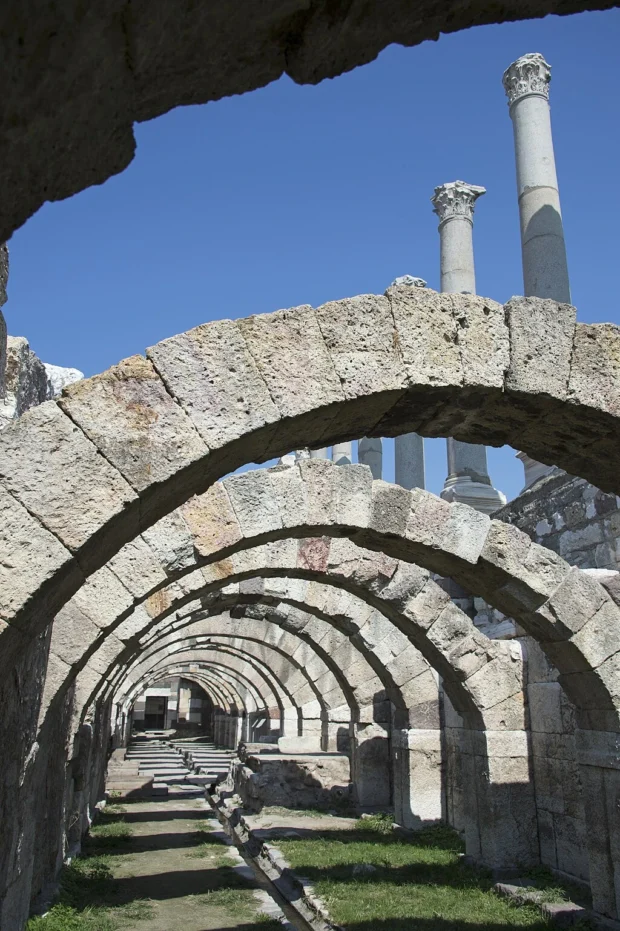
The agora’s vaulted chambers and mosaics still tell stories. Intricate carvings survive on fallen columns, their Latin and Greek inscriptions worn by wind and centuries of earthquakes. I wandered through, pausing at the ancient water channels still cool and damp trying to imagine the lives shaped by trade and ambition here. Sometimes, standing on a cracked mosaic, you might wonder who else paused in this same spot traders from far-off Alexandria or perhaps an apprentice potter from one of the towns in the hills.
Kadifekale: The Velvet Fortress on the Hill
When the city air feels heavy, give your legs a challenge: walk up to Kadifekale, the old “Velvet Castle” fortress looking over all of Izmir. Built by Alexander the Great’s generals, its rough walls and towers have seen everything from Roman governors to Genoese traders, Ottoman janissaries to modern children playing football among the ruins.
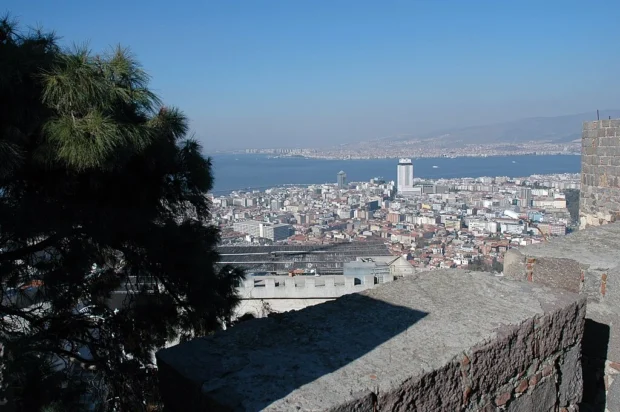
The climb itself is part of the experience thin roads twisting through neighborhoods that still hum with daily life. Women chat over garden walls, bakers send up clouds of bread-scented steam, and occasionally, you hear Balkan accents from families whose roots stretch east and west. At the top, the reward is one of the city’s best panoramas: red-tiled roofs rolling into the deep blue Aegean, with ferries tiny as toy boats. Historians say the strategic view here made Kadifekale a sentinel for the old Silk Road and other vital trade routes and even now, you feel the pull of distant lands.
Kemeralti Bazaar: Where East Meets West in the Stalls
If you want to know the soul of Izmir, skip the big malls. Kemeralti Bazaar is a true labyrinth, alive with the smells of roasting coffee and the calls of sellers offering everything from handwoven carpets to strings of dried eggplants. Founded in the 17th century, the bazaar’s stone arcades and narrow alleys twist like a living map drawn by centuries of commerce.
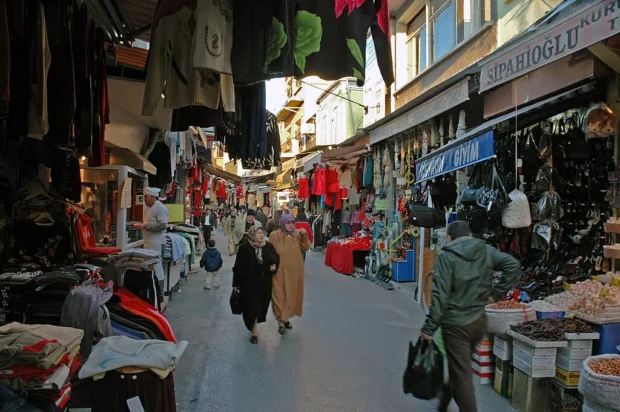
I got lost happily for hours. A Jewish synagogue hides behind a spice shop; here, a deft copper-smith shapes his next tray; there, a young woman sells piles of fresh gözleme (crispy stuffed pancakes) in a side alley. There’s a sense of both continuity and invention. The bazaar is also known for its small han inns hidden courtyards built for traders and caravans. I found one where textile workshops hummed a gentle, steady tune, the same as in Ottoman days, but now with electric lights instead of oil lamps.
Modern Cafés and Classic Flavors in Alsancak and Kordon
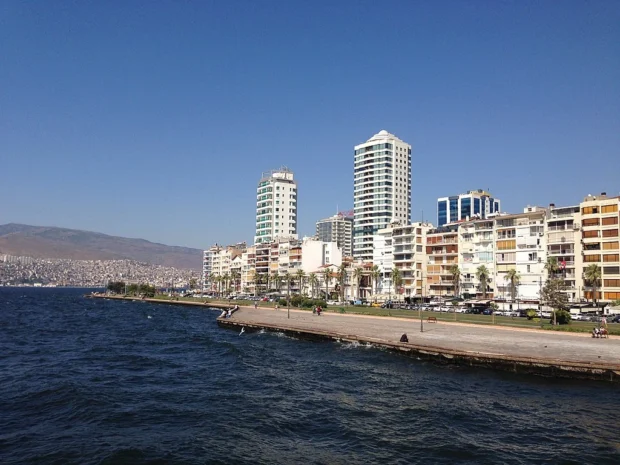
To understand how Izmir has changed, walk from the bazaar down to the Kordon, a palm-studded seafront promenade stretching for kilometers. On weekends, families, couples, and students fill the lawns and benches, licking dondurma (the famous stretchy Turkish ice cream) or sharing bites of boyoz, a flaky pastry unique to the city. The view of the sunset over the Aegean here has inspired poets and pop songs for generations.
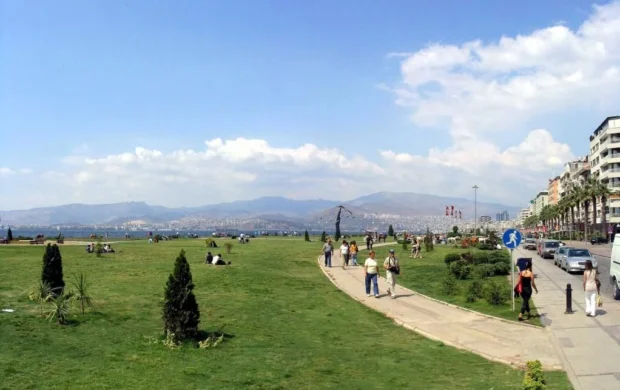
Behind the leafy Kordon, Alsancak is the place to see Izmir’s youthful side. Cafés spill onto the cobblestone streets, old Greek houses are painted pastel colors, and there’s music drifting from bars and bakeries alike. One evening, I found a café where grandmothers played backgammon next to students studying, all sipping strong Turkish coffee. I learned that asking a local whether to eat kumru (a sesame bread sandwich with cheese and sausage) or midye dolma (spiced mussels with lemon) can spark a debate as fierce as football.
Asansör: Elevating the City’s Past and Present
Not far from Alsancak, in the old Jewish neighborhood of Karataş, stands Asansör the quirky “elevator” tower built in 1907. Its story is simple: back then, the steep cliffs made it almost impossible for people to reach their homes at the top, so a wealthy local built this public elevator. Today, the brick tower is a nostalgic symbol. Ride to the top for another sweeping view, with tiled rooftops below, minarets and church spires peeking between, and the blue of the Gulf sending a breeze through the open windows.
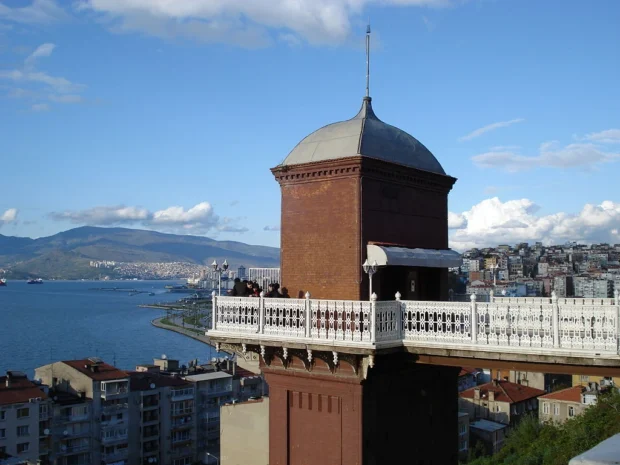
From Asansör, the modern city seems to blend into the old. Fishermen cast lines below, while up here, locals gather for tea in the evenings, talking politics or weddings, often both. I heard someone laughing about the elevator’s old myth that your wish comes true if you watch the sunset from the top with a friend. I can’t say if it’s true, but I promise, the view is worth the ride.
Ephesus: Echoes of the Ancient World
Even though it’s a short train ride or bus ride away from the city center, Ephesus deserves mention. Once the second-largest city of the Roman Empire, the ruins now shimmer under the Aegean sun. You walk avenues still lined with mosaics and colonnades, stand in the grand theater, and stare at the Library of Celsus its façade rising like a marble book open to stories from two millennia ago.
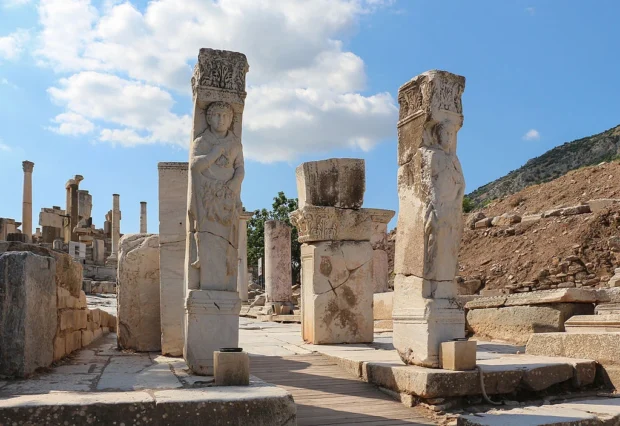
While Ephesus isn’t technically in Izmir, locals consider it part of the region’s soul. My guide, who traced her family back to Balkan immigrants, told me old tales about Artemis, St. Paul, and silk merchants from distant China who passed through these columns. The breeze carried wild herbs, and when I closed my eyes, I could almost hear the shouts of a Roman market day. Don’t leave the region without seeing it yes, it can be crowded, but the early mornings belong to you and the ghosts of empires.
Çeşme and Alaçatı: Sun, Wind, and Blue Shutters
When city life grows too fast, Izmir residents often escape west, along the coast, to Çeşme and Alaçatı. Çeşme is famous for its beaches and clear, wind-swept water the kind that makes you want to try windsurfing, or just eat fresh fish by the harbor. The castle here was once a stronghold against pirates, and today, the view from its walls is peaceful, dotted with boats and cafes.
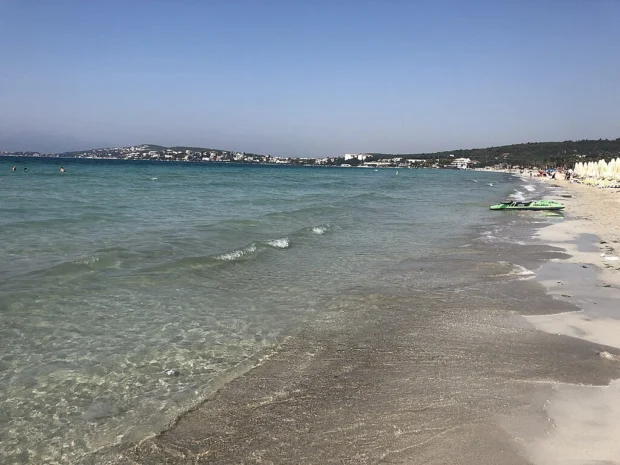
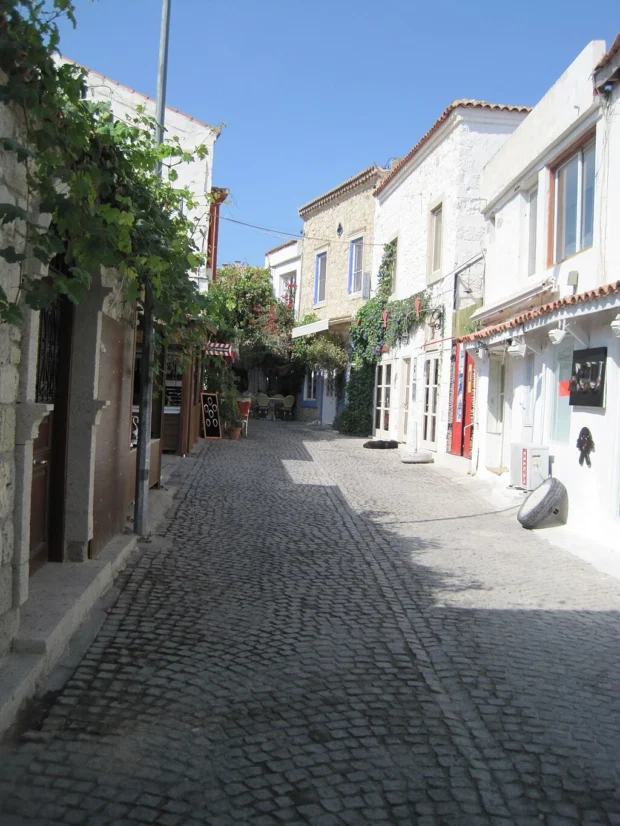
Alaçatı, a short drive further, is a village of stone houses and bright bougainvillea. Its narrow streets swirl with scents of anise, olives, and baking bread. In the evenings, the town’s Greek-style windmills catch the orange sky, and people gather in tavernas to eat “çeşme kumrusu” (a twist on the classic sandwich) and drink local wine. I met artisans here weaving carpets in tiny workshops, their fingers quick and proud, repeating designs their grandmothers taught them. A baker told me the secret to her crispy “gevrek” (Izmir’s answer to simit) is all in the wood-fired oven no machines, just practice and patience.
Getting Around and Where to Stay
Getting to the city is easy. From Adnan Menderes Airport, modern trains called IZBAN run straight to central neighborhoods like Alsancak or Konak within about half an hour. If you arrive by bus or train, Basmane station is right in the thick of things, close to the bazaars and ancient sites. For most journeys within Izmir, city ferries, trams, and buses form a web that ties together seaside, hills, villages, and bazaar lanes. Buy a rechargeable “Izmirim” card for simple, cheap access to all of them.
The city offers many kinds of places to stay, from small family-owned pensions in the old center to modern guest houses by the Kordon. In Çeşme or Alaçatı, you’ll find stone-built boutique inns often renovated from 19th-century houses. In the city, staying near Konak means easy walks to most top sights, but those craving quieter evenings might prefer neighborhoods on the hills, where cicadas sing at dusk and neighbors share cooling watermelon on summer nights.
Izmir Eats: Aegean Flavors and Freshness
Food in Izmir is as much about the sea as the land. A breakfast here means green olives, crumbly white cheese, roasted peppers, and tomatoes sweeter than memory. In Kemeralti, try “boyoz” a crispy pastry born from Sephardic Jewish kitchens, now essential in every bakery. Alsancak is ideal for “kumru,” the sesame-crusted sandwich full of melted cheese and spicy sausage. On hot afternoons, locals munch on “gevrek” (a close cousin of Istanbul’s simit) with a glass of strong tea.
By the water, order “midye dolma” mussels stuffed with spicy rice and squeezed with lemon. For dinner, grilled “çipura” (gilt-head bream) or “levrek” (sea bass) with a salad of wild greens is a favorite. In the evenings, meyhane (tavern) tables fill with small plates of Aegean mezze: fava bean puree, artichokes in olive oil, charred eggplant salad, or “şakşuka” (fried vegetables in tomato sauce). The region is also known for its light, herbal olive oil dishes, influenced by generations of Greeks, Jews, Armenians, and Turks every bite is a piece of the region’s layered history.
Tradition, Cultural Tangles, and Everyday Life
Izmir feels a little different from other Turkish cities, more relaxed, less hurried a place where people seem to prefer strolling, sipping, and debating life’s finer points. The city’s past as Smyrna a port open to Europe and the Near East still leaves its print. In everyday greetings, you might hear a mix of Turkish, Greek words, and Balkan dialects. Often, the best way to see this mix is in the markets, where stories tumble out along with the fruit: “My grandmother’s mother came from Crete; she baked bread this way…”
A few simple customs: when offered tea (çay), always accept with a smile even if just a sip. It’s not polite to refuse directly. Dress is mostly casual, though visiting mosques or village cemeteries, modesty is appreciated. Don’t be surprised if strangers ask where you’re from; Izmirli people are curious, sometimes teasing, but always welcoming. In the bazaar, a little haggling is expected, but laughter always helps more than stern bargaining.
Crafts, History, and the Rhythm of Tradition
One afternoon, I found myself in a ceramics workshop near Kadifekale, the air thick with the smell of clay and glaze. The old potter spoke of how Izmir’s role as a trade city made it a crossroads for techniques and designs tiles from İznik, shapes from the Balkans. In another alley, carpet weavers from the mountain villages used patterns passed down over centuries, each thread a memory of migration and settlement.
Walking between ancient and new, it’s easy to notice the city’s devotion to conservation and living tradition. Restoration work at places like the Agora and the synagogues of Kemeralti is ongoing, but so is the rhythm of the present: children playing football in Roman ruins, local workers breaking for simit under a Byzantine arch, and fishermen repairing nets beside the ferry landings. Izmir is no museum; it carries history forward in every gesture.
Izmir’s Enduring Spirit: More Than Just a City
In the end, what stays with you after days in Izmir isn’t just the monuments or museums. It’s a feeling something in the way the air moves through citrus trees, the way street cats sun themselves among ancient stones, or the laughter of friends sharing rakı and stories at a seafront table. Maybe it’s the sense of being at a meeting place, a crossroads not just of trade or empires, but of daily lives woven together by time and hospitality.
To broaden your journey, consider a visit to Athens Greece, where ancient myths and vibrant neighborhoods echo a rich past similar to Izmir’s enduring spirit.
Whether you come to see the stone arches of the Agora, the shadows cast by Kadifekale, or the sun setting along the Kordon, Izmir invites you to linger longer than you planned, to listen quietly, and to carry a bit of the Aegean’s generous, always-changing light wherever you go next.
For a blend of cityscape and cultural history on water, consider sailing the Bosporus Strait boat tours that trace Istanbul’s unique position between two continents.
Explorer of historical towns, ancient ruins, and traditional markets, combining modern travel with interest in heritage.
- TR Izmir asv2020-02 img37 Karşıyaka monument by A.Savin on Wikimedia Commons – fal
- Izmir First Bullet Monument at Konak Square 2527 by Dosseman on Wikimedia Commons – cc by-sa 4.0
- Izmir agora substructure 2428 by Dosseman on Wikimedia Commons – cc by-sa 4.0
- Izmir Kadifekale view from wall 5677 by Dosseman on Wikimedia Commons – cc by-sa 4.0
- Izmir Kemeraltı Çarşısı 5902 by Dosseman on Wikimedia Commons – cc by-sa 4.0
- Kordon, Izmir by Ömer K. İnce on Wikimedia Commons – cc by-sa 3.0
- Alsancak buildings by Btian P. Dorsam on Wikimedia Commons – cc by-sa 4.0
- Asansor ust kisim by Yabancı on Wikimedia Commons – cc by-sa 3.0
- Ephesus – Heracles Gate by Bernard Gagnon on Wikimedia Commons – cc by-sa 3.0
- Ilıca Beach in Çeşme, İzmir by Raicem on Wikimedia Commons – cc by-sa 4.0
- Yeni Mecidiye, 35930 Alaçatı-Çeşme-İzmir, Turkey – panoramio (4) by Bir_Ege_Hikayesi © on Wikimedia Commons – cc by 3.0


.jpg)