

Berlin, Germany’s vibrant capital, carries history in its every corner. Among its many profound places, the Berlin Wall Memorial stands as a solemn reminder of a divided past. Visitors curious about Berlin’s Cold War era find this site compelling for its firsthand look at the wall that once split a city and a nation. This article shares insights on how to reach the memorial, the best times to visit, the profound historical importance of the site, and practical tips for your visit.
Table of Contents
For a broader view of Berlin’s landmarks and daily life beyond the wall, check out our guide to the city’s famous sites and local vibes.
Getting to the Berlin Wall Memorial Easily
The Berlin Wall Memorial is situated on Bernauer Straße, a street rich in history itself, right in the heart of Berlin. From Alexanderplatz, a bustling central hub, you can take the U8 U-Bahn line directly to Bernauer Straße station, which places you just steps away from the memorial. If arriving from Berlin Tegel Airport or Berlin Brandenburg Airport, it’s easiest to catch a regional train or bus heading into central Berlin and then switch to the U8 line.
Travelers coming from Berlin Hauptbahnhof, the main train station, can also use the S-Bahn to Nordbahnhof, then walk or take a short bus ride to Bernauer Straße. Public transport in Berlin is efficient and user-friendly, making the memorial easily accessible without a car.
Why the Berlin Wall Memorial Matters
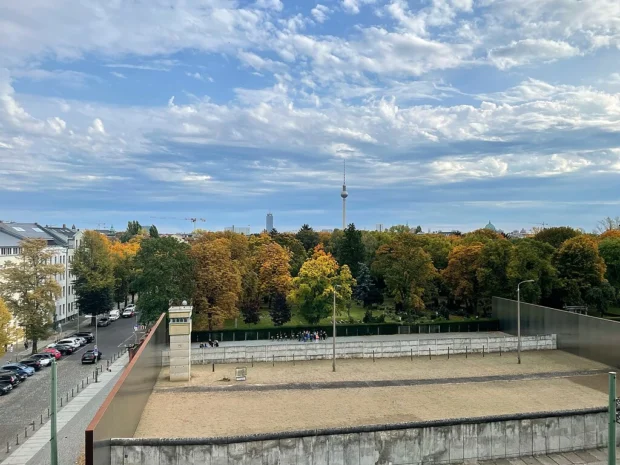
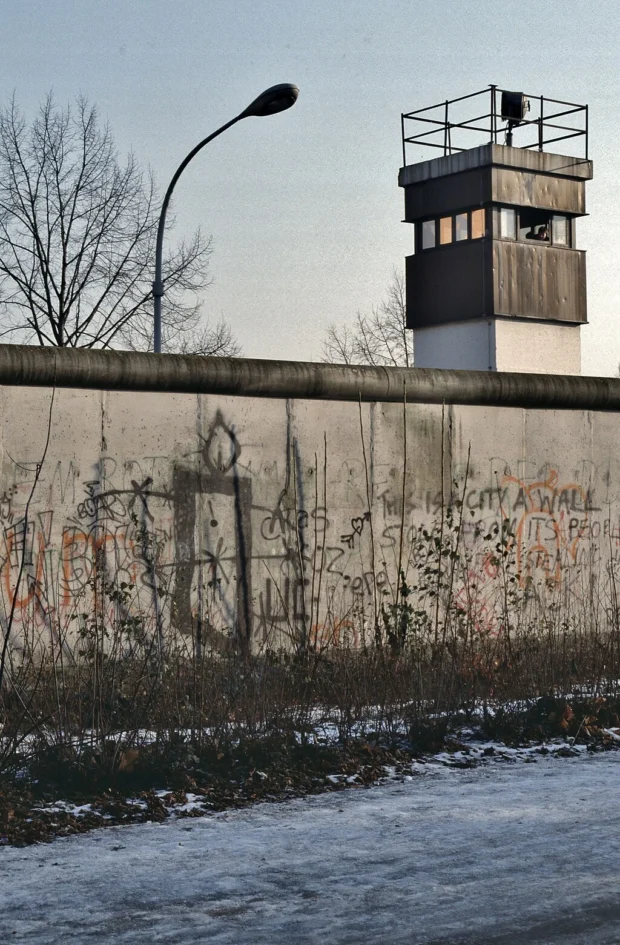
Long before its fall in 1989, the Berlin Wall was a stark symbol of the Cold War divide between East and West. The memorial preserves a 1.4-kilometer stretch of the original wall, featuring the preserved “death strip,” watchtowers, and a documentation center. It’s not just about remembering a physical barrier, but also the human stories of separation, escape attempts, and hope.
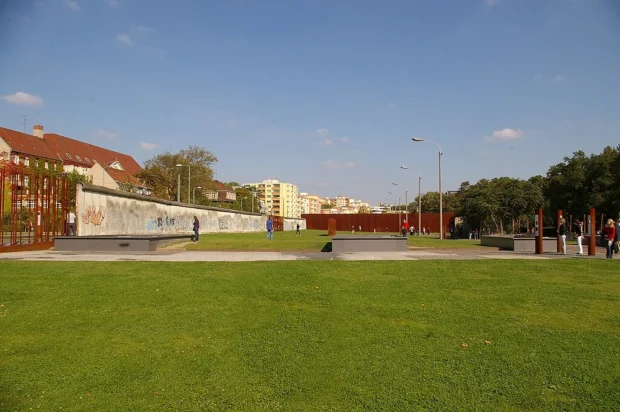
One striking feature is the Chapel of Reconciliation, built on the site of a church that once stood in the death strip, demolished during the wall’s existence. Visiting here offers a moment to reflect on the resilience of people in the face of division and oppression.
Stories Behind the Wall
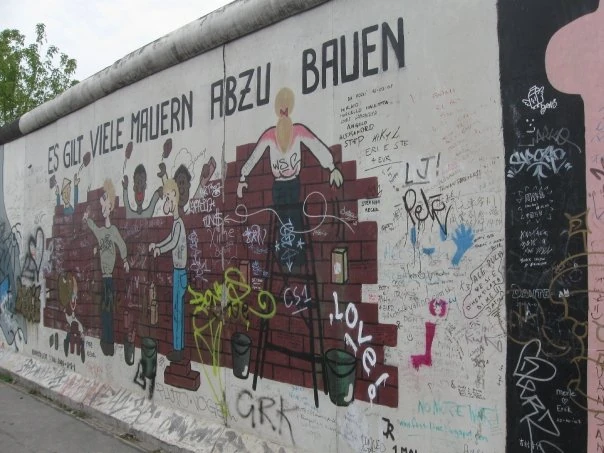
Visitors often miss smaller details, like the preserved sections showing bullet holes and graffiti from decades ago. The memorial’s exhibition narrates gripping tales of daring escapes and the everyday reality for Berliners trapped on either side. It’s a vivid history lesson that connects visitors with the era’s emotional depth.
Best Days and Times for a Meaningful Visit
To avoid crowds and experience the site contemplatively, early mornings on weekdays are ideal, especially during spring and autumn when Berlin’s weather is mild. Weekend visits tend to be busier with tourists and local school groups. The memorial is open year-round, but winter days are shorter, so plan visits during daylight hours to fully appreciate the outdoor exhibits.
Consider timing your visit to coincide with free guided tours offered by the memorial’s staff on weekends. These tours provide valuable context and often include stories not found in guidebooks or online.
Guided Tours and Booking Tips
While the outdoor sections of the memorial can be explored freely, the documentation center and special exhibitions benefit from guided tours to enhance understanding. Booking is straightforward through the memorial’s official website, where you can reserve spots for group or individual tours.
Reservations are recommended during high tourist seasons, such as summer and around significant Berlin anniversaries related to the wall. The tours are usually available in German and English, making them accessible to many international visitors.
Nearby Accommodation and Local Flavors
Staying near the memorial places you in a neighborhood that blends historical significance with lively modern life. While the area doesn’t host large hotels, charming guesthouses and boutique lodgings are nearby, offering comfortable stays without the bustle of city center prices.
For meals, don’t miss sampling Berlin’s street food culture close by. The area around Bernauer Straße has cafés and small restaurants serving local favorites like currywurst and döner kebab. For a more traditional experience, venture a little further to Prenzlauer Berg, where you’ll find cozy spots offering hearty German dishes and delightful craft beers.
Local Customs and Surprising Facts
One fascinating custom around the memorial is the quiet reflection many visitors observe, creating a respectful atmosphere despite the open-air setting. This calm contrasts sharply with some other parts of Berlin known for their nightlife and busy streets. Also intriguing is that some Berliners still refer to Bernauer Straße as “the street that divided the city,” a reminder that history lives on in local memory.
To complement your visit to the Berlin Wall Memorial, find insight into the Brandenburg Gate’s significance as a symbol of unity and history here.
Quirkily, the wall has inspired street art and cultural events nearby, blending remembrance with creative expression – a testament to Berlin’s ability to transform scars of history into spaces of dialogue and art.
For a nearby icon blending history and modern design, the Reichstag Building offers panoramic views and stories of Germany’s journey.
Further Information and Resources
For the latest updates on visiting hours, tour bookings, and exhibitions, the Berlin Wall Memorial’s official website is the best resource. It is well-structured and available in German and English, ensuring clear information for all visitors.
Berlin Wall Memorial Official Website
Eastern Europe travel specialist uncovering hidden gems from the Baltics to the Balkans.
- Berlin (DE), Gedenkstätte Berliner Mauer — 2021 — 9368 by Anil Öztas on Wikimedia Commons – cc by-sa 4.0
- Mauer-Gedenkstätte by N-Lange.de on Wikimedia Commons – cc by-sa 3.0
- 0594 1989 Berlin Mauer (28 dec) (14121954819) by Aad van der Drift on Wikimedia Commons – cc by 2.0
- Berlin Wall people graffiti mural by Gorgalore on Wikimedia Commons – cc by-sa 3.0
,_Gedenkst%C3%A4tte_Berliner_Mauer_--_2021_--_9368.jpg)

_(14121954819).jpg)
