

Arriving in Hanoi is like stepping into a gentle maze full of soft colors, street sounds, and the distant echo of history passing beneath slow clouds. This northern heart of Vietnam is known for its Old Quarter, motorcycles buzzing in sync, steaming bowls of pho, and a quiet grace that flows even when the city is at its busiest. I came with eager eyes and a notebook, ready for the quiet surprises a traveler finds between well-known landmarks and narrow, colorful streets.
Table of Contents
A Walk Through Hanoi’s Old Quarter
If you want to feel the real pulse of Hanoi, begin in the Old Quarter. This area many centuries old lays out a tangled web of narrow streets, each named for the craft that once filled its shops. There’s a road for bamboo, another for silks, and one simply called “Silver Street.” The noise here is soft and blended: vendors calling their fruit prices, laughter from street-corner tea stalls, and scooters whisking by in symphony. I lost count of the times I stepped aside for a delivery bicycle stacked high with flowers or fresh bread. Yet, in all its chaos, the Old Quarter feels hospitable strangers smile, someone might offer a cup of green tea if you look thirsty, and every shop has its own tiny universe to peek into.
I spent hours following the patterns of daily life, pausing to admire aging yet vibrant French colonial facades buried beneath tangled power lines. Small shrines dedicated to ancestors stand beside bustling convenience stores. Between souvenir shops and local bakeries, you can find artisans shaping lacquerware by hand or hear the hidden sounds of someone tuning a dan bau Vietnam’s traditional one-stringed instrument. The Old Quarter is a place where old meets new with quiet pride.

Breezes and Calm at Hoan Kiem Lake
Hoan Kiem Lake sits quietly at the southern edge of the Old Quarter, offering a wide circle of calm amid the city’s constant motion. Every morning and evening, the lakeside pavement is alive with local life elderly women stretching their arms in slow, careful Tai Chi, young couples holding hands beside shifting lotus leaves, and children handing breadcrumbs to fat, regal turtles. The water here carries stories, and I was told an old legend by a local: a magical sword, given to a 15th-century king, was returned to a golden turtle spirit right where the lake now shimmers. Beneath the red-painted span of The Huc Bridge, the Ngoc Son Temple rises from a small island, inviting quiet reflection or a moment of stillness.
I found myself sipping a sweet Vietnamese coffee from a lakeside café, watching the light change over the water as city sounds softened at dusk. When the clouds break after summer rain, the lake’s surface seems to double the sky, and for a while, Hanoi feels gentle and endless.

Temple of Literature: Sanctuary for Scholars
In the western part of the city, the Temple of Literature welcomes you with its peaceful courtyards and wise, old trees. Founded nearly a thousand years ago, this site is dedicated to Confucius and Vietnam’s scholars, making it the country’s first national university. Passing through the five courtyards, I was struck by the slow pace of visitors, voices hushed in respect. The stone turtles in the garden, each bearing a stele with the names of graduates, are thought to bring wisdom and perseverance several students traced their fingers on the shells before exams, a tradition both hopeful and touching.
The architecture here is reserved and proud. Brick walls and arched gateways glow softly in late-afternoon sunlight, and the air carries the memory of poetry recited and lessons learned centuries ago. Occasionally, a small group gathers to practice calligraphy under the shade. It is a peaceful pocket where time feels suspended; I sat on a low bench and simply listened.

Layers of Hanoi: Mausoleum, Pagodas, and Puppets
Of course, Hanoi’s most important sights stretch far beyond the Old Quarter’s lively streets. The Ho Chi Minh Mausoleum stands solid and quiet in Ba Dinh Square, surrounded by long lines of visitors. Here, locals and travelers pay respects to the former leader known affectionately as “Uncle Ho” whose gentle resolve still shapes Vietnamese identity. If you come early, you will witness moments of deep calm and even a few soft-spoken prayers. Security is strict and respectful; shoulders and knees should be covered, and photos are not allowed inside an unspoken lesson in humility.

Just nearby, a strange shape rises above the lotus pond the One Pillar Pagoda. This tiny pagoda, made almost entirely of wood, sits balanced atop a single stone column. Its image appears in many postcards, but in person, it is smaller and clearly loved by its caretakers. Locals believe a visit here brings good fortune, and early mornings often find the air heavy with incense as someone whispers prayers for children or long health.

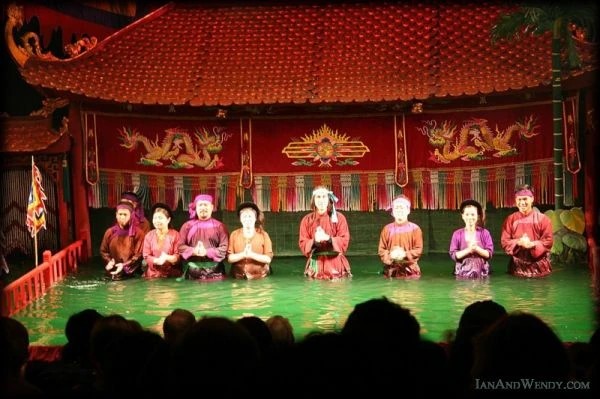
Culture is everywhere in Hanoi, but it is tangible at the Thang Long Water Puppet Theatre. This traditional art a mix of puppetry, folk music, and water is pure joy. Puppeteers hide behind a screen, bringing wooden figures to life on the surface of water. The stories they tell come from local legends and rice-field routines. I watched children in the front row trying to guess how the dragons spit water or the fishermen made their catch and I admit, so did I.
From Imperial Citadel to Modern Museums
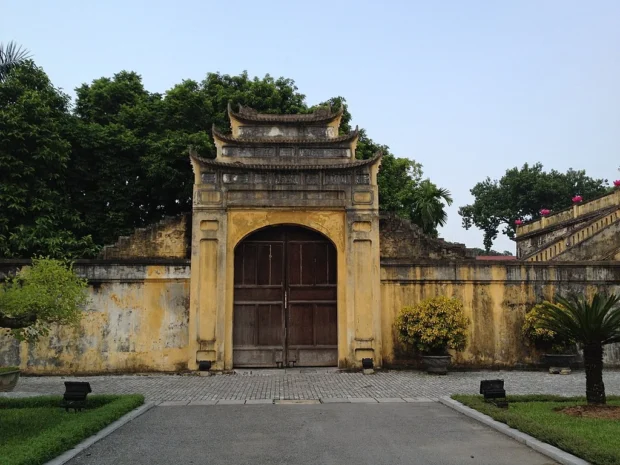
Big history reveals itself at the Imperial Citadel of Thang Long, a UNESCO World Heritage Site. The old walls, once the seat of power for centuries, still show stones charred by battles and reclaimed by moss. Archaeologists are constantly learning more here, but you do not need deep knowledge to appreciate the quiet energy in the shaded courtyards or the hidden stairways. Behind thick walls, Hanoi whispers stories about emperors, concubines, and common folk who shaped Vietnamese history.
I spent half a morning wandering the Vietnam Museum of Ethnology. It is a living archive, filled with textiles, wooden masks, baskets, and life-size traditional houses representing Vietnam’s diverse ethnic communities. The museum staff many from minority groups shared their own customs with simple kindness, and I learned how bamboo is crafted into daily tools or how embroidery keeps ancient stories alive. The outdoor garden, full of stilt houses and wind chimes, is a soft, fragrant space to rest.

West Lake and Tran Quoc Pagoda
West Lake is Hanoi’s largest lake, and it is worth a quiet morning stroll or cycle around its shore. Locals come here to fish, practice gentle cycling, or chat under willow trees. Sunrise brings the city’s softest light, brushed in pink and gold, and the air smells faintly of fresh bread from nearby bakeries.

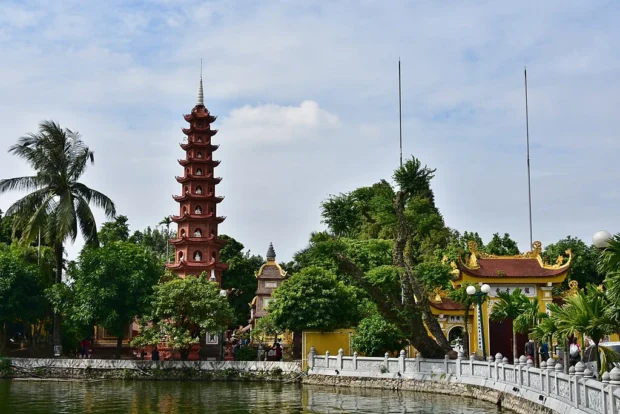
Out across the water stands Tran Quoc Pagoda Hanoi’s oldest Buddhist temple, rising on a small islet. Its bright red, multi-tiered tower catches the first rays of sunlight, and pilgrims come with flowers or fruit as offerings. I saw a grandmother teach her grandson how to bow, both laughing as incense smoke curled into the sky. If you find a quiet spot near the pagoda’s gardens, you can hear the sound of temple bells, almost lost beneath the gentle splash of rowing boats.
Easy Connections: Arriving, Moving, and Staying
Getting from Noi Bai International Airport into the city center is straightforward thanks to public buses and the airport shuttle. The ride, though not fast, gives you the first still impressions rice fields giving way to tall apartments, bright billboards, and the steady hum of daily commuters. Hanoi Station is a gateway for trains across the region; riding the rails here means seeing the green countryside slip past your window, slow enough to let the mind wander.
Within the city, buses connect almost every district. I often chose to walk a path around the lake here, or a street of shade trees there because Hanoi rewards the slow walker. Crossing streets may seem daunting at first, but I found it becomes a lesson in trust: just step forward at a consistent pace and the scooters will glide gently around you. Cyclo drivers (pedal-powered rickshaws) still offer rides, often sharing stories from their younger days as they pedal you through narrow lanes.
When it comes to staying overnight, options range from tiny guesthouses in the Old Quarter to quieter places on West Lake’s edge. I recommend choosing someone who supports small-scale hosts. Many families run their own lodgings and offer home-cooked meals this not only helps support the local economy, but also opens your visit to practical advice and warmth you won’t find on booking websites.
Savoring Hanoi’s Traditional Cuisine
Food in Hanoi is an art of patience and personality. On every corner of the Old Quarter, you smell the aroma of pho bo a fragrant noodle soup with beef, topped with herbs and a swirl of chili. Mornings often begin with a bowl at a busy street stall, where steam rises with the day’s sunlight. Meanwhile, bun cha grilled pork with noodles and fresh greens is best in small shops near Dong Da. I sat beside unsmiling grandmothers who softened when their favorite song played on the radio, and shared plates sometimes just meant you made a new friend.
Cha ca, Hanoi’s classic fish dish, sizzles in cast iron pans in the Ba Dinh district. Chunks of marinated fish are cooked at the table with fragrant dill and spring onions, eaten with vermicelli and a squeeze of lime. Egg coffee is something you must try: strong Vietnamese brew topped with whipped egg yolk and sweetened milk, creamy and rich without being heavy. I found the best cups in dimly lit cafés down twisting alleys, each with its own secret recipe.
In the early afternoon, try xoi sticky rice with sweet or savory toppings in the shadows of the Temple of Literature. For vegetarians, the city’s Buddhist pagodas and their nearby kitchens serve humble, nourishing meals, with tofu and fresh vegetables from small rural farms.
Cultural Insights and Everyday Etiquette
There are unspoken rules in Hanoi, guided by decades of tradition and a gentle spirit. Always greet elders with a slight bow and a soft “xin chao.” Shoes are left at the entrance of homes and many temples slipping them off is a gesture of respect that transcends words. Locals will often place both hands together when serving tea, a small way of showing true hospitality.
Despite centuries of foreign influence, Hanoi’s community fabric remains strong neighbors look out for each other, people gather nightly at the lake for shared exercise, and street markets become impromptu festivals during holidays. Young people are proud of their city’s layered identities, mixing old beliefs with modern confidence.
I found that listening carefully rather than rushing a conversation brought deeper exchanges. A veteran at the Citadel spoke quietly of wars past, and a street musician beside the lake told me folk stories that colored his songs. The city rewards patience and an open heart.
Sustainability and Soft Impact in Hanoi
Walking is the most carbon-conscious way to see Hanoi, and I made a habit of choosing routes beneath trees or along small canals. Pond turtles, wild birds, and flowers are part of the city’s quiet biodiversity; watch for lotus blooms in summer and the call of swallows at dusk. Shops selling bamboo products or traditional crafts often led by indigenous artisans support rural economies beyond the city.
On weekends, the roads around Hoan Kiem Lake close to traffic, becoming a joyful pedestrian zone. Here, street artists, dancers, and families share public space, showing how old customs and modern life can exist gently together. Volunteer projects in craft villages and small host-run tours around the Red River’s edge welcome curious visitors, allowing you to learn from those who tend the land or keep local culture resilient.
Closing Thoughts: Why Hanoi Endures
Hanoi is never in a hurry, even when horns are beeping and market women rush to sell their last bunch of lychees. The city’s beauty comes from how old and new, foreign and local, rural and urban meet quietly under the shade of tamarind trees. I left Hanoi with red dust on my shoes and a notebook heavy with small memories: a silent turtle beneath willow leaves, laughter over fish sauce, and the comfort of strangers who felt like friends.
Travel here, I believe, should honor these gentle exchanges. Bring curiosity, speak softly, and you will find Hanoi opens its doors in surprising ways one slow street, one lake breeze, one shared smile at a time.
For a contrasting view, Ho Chi Minh City offers a lively urban pace and rich southern charm, adding depth to your Vietnam journey.

Minimalist traveler documenting slow journeys focused on mindfulness and sustainability.
- Main gate of the Temple of Literature, Hanoi, Vietnam, 20240123 0929 3068 by Jakub Hałun on Wikimedia Commons – cc by 4.0
- Street Scene – Old Quarter – Hanoi – Vietnam – 01 (48071309813) by Adam Jones from Kelowna, BC, Canada on Wikimedia Commons – cc by-sa 2.0
- Delonix regia at Hoan Kiem Lake by ebifry on Wikimedia Commons – cc by 2.0
- 20220605 Temple of Literature, Hanoi 22 by Ltn12345 on Wikimedia Commons – cc by-sa 4.0
- Hanoi Vietnam Mausoleum-of-Ho-Chi-Minh-03 by CEphoto, Uwe Aranas on Wikimedia Commons – cc by-sa 3.0
- One Pillar Pagoda, Hanoi, Vietnam (8120848991) by Holiday Point from Melbourne, Australia on Wikimedia Commons – cc by 2.0
- Thang long water puppet by Ian Sewell on Wikimedia Commons – cc by-sa 3.0
- Cổng trái Đoan Môn, Hoàng thành Thăng Long, Hà Nội 001 by Phan Minh Tuấn on Wikimedia Commons – cc by-sa 4.0
- Bahnar Communal House – Vietnam Museum of Ethnology – Hanoi, Vietnam – DSC03414 by Daderot on Wikimedia Commons – cc0
- Hồ Tây hoàng hôn – NKS by NKSTTSSHNVN on Wikimedia Commons – cc by-sa 4.0
- Tran Quoc Buddhist Pagoda, Hanoi, 6th century (24) (37610879445) by Richard Mortel from Riyadh, Saudi Arabia on Wikimedia Commons – cc by 2.0

.jpg)


.jpg)


_(37610879445).jpg)