
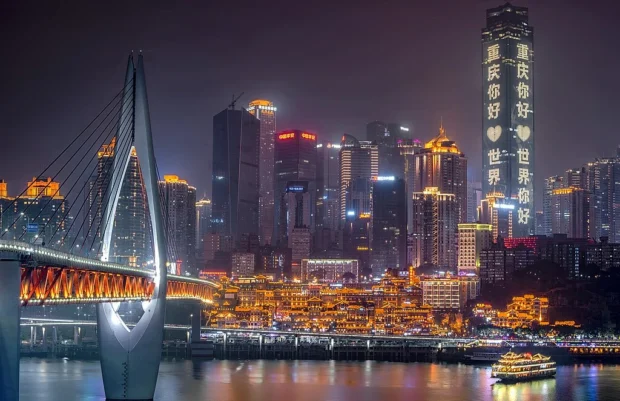
Chongqing rises like a smoky dream above the meeting of two mighty rivers in southwest China. For centuries, traders and poets have wandered these slopes, enticed by twisting alleys, dramatic cliffs, steamy hotpot, and gentle boats sliding between fog-wrapped hills. Today, Chongqing is a city of more than 30 million, but it still feels personal its old quarters brimming with spicy aromas, laughter, and cascading lantern light. This is a city steeped in spice, craft, and river tales: perfect for travelers drawn to culture as much as scenery, to museums as much as lively food markets.
Table of Contents
Arriving in the City of Bridges and Mist
Arriving at Chongqing Jiangbei International Airport, you’re already inside the city limits. The fastest connection to downtown is the sleek Metro Line 3. In around 40 minutes, you’ll step out among skyscrapers and the clatter of cable cars no need for a taxi. From Chongqing North Railway Station, the Metro is again your friend. The city’s buses and metro lines are frequent, clean, and signed in English and Chinese, making navigation easy for visitors. Be ready for vertical journeys, as many metro stations are deep under mountains or perched on cliffs. Chongqing’s wild topography means even a bus ride can feel like a theme park tour: winding bridges, staircases carved in rock, and sudden views over sparkling water. Don’t forget your camera.
Ciqikou Ancient Town: Slow Time on the Porcelain Docks
To touch the handmade heart of old Chongqing, follow crowds and classical music to Ciqikou Ancient Town, once the city’s main hub for porcelain and spice traders. The air trembles with the scent of sesame cakes, fried tofu, and sweet wine. Here, tiled roofs lean over narrow stone lanes where hawkers sell hand-painted fans, bamboo baskets, and intricate ceramic bowls remnants of an age when fine pottery traveled the Yangtze from these very docks.
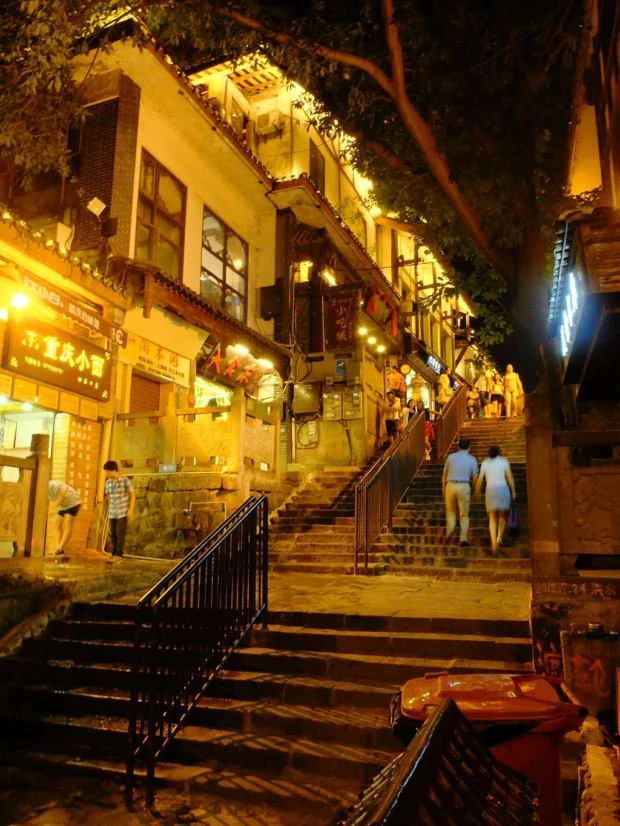
Pause by a teahouse where locals play mahjong, sipping floral tea beneath grapevine trellises. The blue-and-white porcelain patterns seen on shop signs reflect the town’s name “Porcelain Mouth” hinting at its centuries-old role in regional trade. For travelers who love craftsmanship, a visit to one of the small studios is a must. Craftsmen here shape clay on spinning wheels, their hands tracing patterns learned from ancestors. If you’re lucky, a master will show you how to trace a simple dragon onto wet porcelain: a moment suspended between past and present.
Don’t skip the tiny shrines and the arched Baiya Well, whose water was once famous across Sichuan. My favorite time to wander is late afternoon, when sunlight filters through red lanterns and dusk calls out the first notes of Sichuan opera from outdoor stages. It’s easy to feel that the rhythms of old and new breathe together here.
Surprises Beneath the Skyline: Museums and Monuments
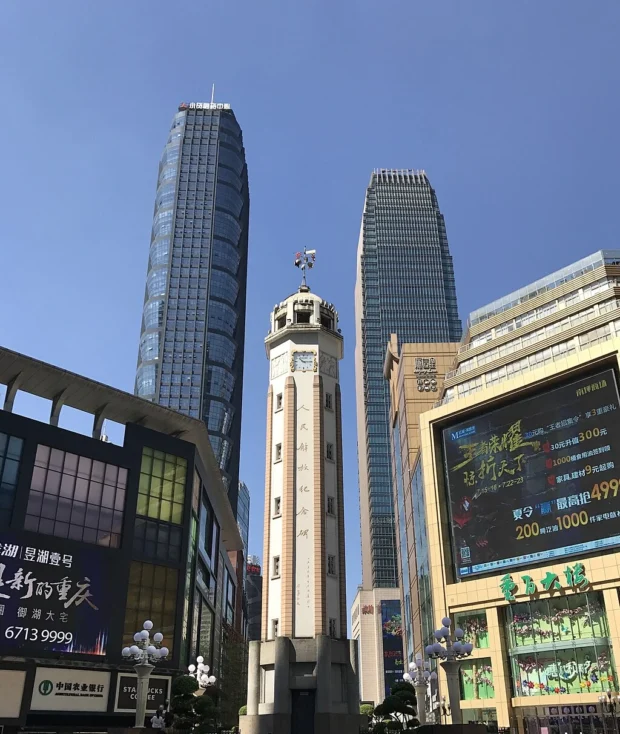
Chongqing’s urban heart beats strongest in the Jiefangbei CBD—a swirl of glass towers, neon lights, and high-end shops. The centerpiece, the People’s Liberation Monument, stands tall and white, a symbol of wartime resilience and proud modern growth. But just a short stroll away, the world slows down. Enter the Three Gorges Museum, a glass-domed wonder facing People’s Square. This is the place to understand the region’s river culture, ancient boats, and the epic story of the Yangtze’s mighty gorges.
Inside, you’ll find scale models of vanished villages, timeworn calligraphy, and even a piece of the great dam itself. My own favorite gallery displays enormous bronze drums and ceramics from prehistoric settlers, their motifs echoing the swirling waters and fierce storms of the river. One display lets you step inside a recreated stilt house, where the scent of cedar still seems to cling to the beams. I chatted with a local university student who volunteers here she told me how her grandparents’ hometown now lies underwater, but every family along the Yangtze keeps stories alive with river songs and photos pressed into old albums.

Hongya Cave: Lantern Light, Spicy Feasts, and Riversides
Hongya Cave can look surreal to new visitors: a twelve-story “hanging house” clinging to the river’s edge, wrapped in a forest of neon and fluttering banners. This is as much a living folk museum as a marketplace. At dusk, its wooden balconies glow with hundreds of lanterns, casting rippled reflections across the water. Inside, you’ll find open-air beer gardens, steaming snack stalls, folk-art studios, and jostling stairways where every window frames a new city postcard.

Chongqing’s famous hotpot is king here. Try it at a riverside table, choosing your own mix of meats, mushrooms, and vegetables. The broth, red with chili oil and green Sichuan peppercorns, crackles with aroma that will stay with you long after. Don’t worry about spice most places offer mild options too. For a quick snack, sample grilled fish on skewers, spicy duck necks, or sticky rice balls rolled in peanut powder. I still dream about a sugar sculpture artist I met, crafting dragons with a flick of sticky, golden syrup his hands a blur as children watched wide-eyed.
Wander down to the lower levels after dark to see night fishermen casting nets by torchlight, or join the crowds photographing the illuminated cave against the city skyline. It’s theatrical, atmospheric, and a little bit wild.
Beyond the Urban Maze: Parks and Rock Carvings
City noise fades at Eling Park, a serene garden on a hilltop with ancient pines, teahouses, and a peaceful pagoda overlooking the confluence of the Yangtze and Jialing rivers. Here, old men practice tai chi at dawn, while lovers stroll under cherry trees. Watch for the bonsai garden, where trees are trained into miniature landscapes, and pause for tea at a pavilion where the air smells of jasmine and pine needles.

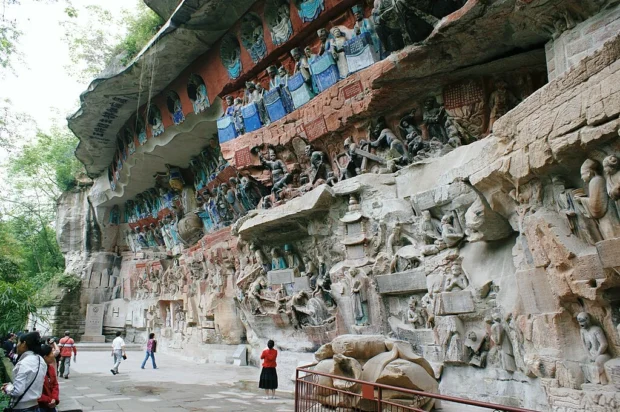
Sometimes, Chongqing’s best stories are carved into stone. Outside the city, the Dazu Rock Carvings wait among rolling hills and bamboo groves. These fragile, World Heritage-listed sculptures show scenes of Buddhist, Taoist, and Confucian legends, chipped and painted by hand nearly 800 years ago. When I first saw the thousand hands of Guanyin, each palm holding a different symbol, I was moved by the detail and patience that went into every figure. The echoes of ancient chants seem to linger here, even today. It is about two hours by intercity bus a journey that winds past red-earth villages and quiet ponds. Bring sturdy shoes, as paths can be slippery after rain.
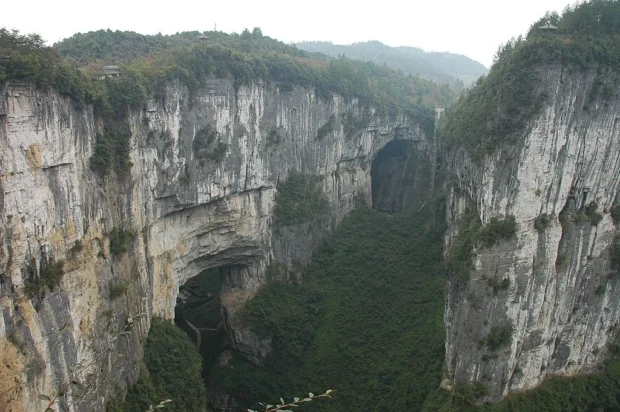
Nature lovers should not miss the Wulong Karst, a landscape of giant limestone bridges, gorges, and caves. The region’s stone arches soar above forests of bamboo and wildflowers. Local legend says immortals once practiced qigong among these stones. Hikers come for the fresh air and drama; photographers, for endless green shadows and sudden waterfalls. Trains from Chongqing downtown will take you most of the way, then a local shuttle links to the ticket office.
River Banks, Monkeys, and Afternoon Escapes
Chongqing Zoo is famous for its giant pandas, but look closer: golden monkeys leap between trees, red pandas nap in bamboo, and keepers sometimes play local music for the animals. The main enclosures are shaded and well-kept; visit early to catch pandas munching bamboo, as they sleep during the hottest part of the day.

Chaotianmen Dock is where the two rivers finally meet. Ferries, cruise boats, and the city’s famed cable cars all gather here, horns sounding against the wind. The view from the dock at sunset is pure poetry: slow barges drift by, tower lights flicker on, and young couples dangle their feet over the water’s edge, sharing snacks and stories. If you have a free evening, catch a short river cruise for a different view of the city’s cliffs and bridges glowing in neon.
Markets, Flavors, and the City’s Best Eats
Chongqing’s food is famous for its spice, but the real joy is in the variety. In the Shapingba district near universities, you will find rows of noodle shops selling xiaomian thin noodles in a peppery broth, with green onions and pickled chili. In Nan’an, old markets mix dried chili stalls with fruit vendors and pickled vegetable stands, a riot of colors and smells. Street BBQ is everywhere: lamb skewers dusted with cumin and chili, roasted sweet potatoes, and flatbreads hot from the griddle.
If you’re adventurous, try the crispy river shrimp or the “crossing-the-bridge” fish a dish where raw ingredients are cooked at your table in boiling broth. Most food stalls are busy from midday to late night, and prices are low even for generous servings.
Hotpot etiquette is easy: dip your bites into sesame oil before eating, to soften the heat. Locals say you should never waste broth, and always cheer your friends with a toast of plum wine or cold beer. If you see tables covered in napkins and chili bits, don’t worry it’s a sign everyone is having a good time.
Customs, Quirks, and Making Friends
Chongqing people are famously direct honesty is considered a virtue here, so don’t be surprised by friendly questions about your travels. It’s common for strangers to chat in the parks, sharing snacks or asking to take a photo with visitors. When entering homes or temples, always remove your shoes, and a simple “ni hao” goes a long way. In older districts, you might glimpse grandmothers burning incense at tiny roadside shrines for good luck, a quiet ritual of everyday faith.
During holidays, dragon dances and lantern parades light up even the narrowest alleys. The city’s spirit is communal and festive, but also practical: tradition blends effortlessly with new ideas. One local custom that surprised me was the “fire rope” during festivals a chain of glowing coals carried by teams across the riverbank, meant to ward off bad spirits and welcome the new year. Children follow, eager to catch good luck from sparks that whirl into the night air.
Where to Stay, Getting Around, and Final Thoughts
Chongqing’s districts each have their own personality. The Jiefangbei area is ideal if you like energy and nightlife skyscrapers, shopping, and easy access to both rivers. For a quieter stay, try Shapingba, where leafy university campuses and old book markets offer a slower rhythm. Transport is smooth by metro and bus, linking every major sight and most neighborhoods. If you’re staying longer, consider a guesthouse or serviced apartment on a hillside waking up to mist rolling down the mountain is an unforgettable pleasure.
Be sure to bring walking shoes: Chongqing is a city of stairs, cliffs, and endless bridges. The best moments are often found when you turn off the main road and climb a narrow lane lit by paper lanterns. Evenings are relaxed but lively families play cards on stone benches, elderly men sing opera in hidden gardens, and students gather on rooftops to watch the skyline flicker into life.
Chongqing is a place where the old and new never stand still ceramic workshops ring out among glass towers, street markets hum beside museums, and the rivers carve endless stories into stone. Each district offers a new story, every meal a new flavor. If you seek both beauty and authenticity, craft and comfort, Chongqing waits with hotpot, history, and the welcoming spirit of the river itself.
For travelers fascinated by city views and cultural landmarks, the Tokyo Skytree offers soaring panoramas and elegant designs that complement Chongqing’s vibrant landscapes.
A Chinese tour guide with deep knowledge of the Far East, its traditions, and culinary secrets.
- Chongqing Nightscape by Jay Huang on Wikimedia Commons – cc by 2.0
- 028 Sichuan-160811 28 (29868006911) by Franco Pecchio from Milano, Italy on Wikimedia Commons – cc by 2.0
- Jiefangbei (People's Liberation Monument) by Juukeihc on Wikimedia Commons – cc by-sa 3.0
- Three Gorges Museum Chongqing by Eng.Justus Byebirooha on Wikimedia Commons – cc by-sa 3.0
- Hongya Cave 20180520(2) by xiquinhosilva on Wikimedia Commons – cc by 2.0
- 鹅岭两江亭 – panoramio by somaliayaswan on Wikimedia Commons – cc by 3.0
- Baodingshan Cliff Carvings (50620441666) by Hugh Llewelyn from Keynsham, UK on Wikimedia Commons – cc by-sa 2.0
- Giant panda and sign, Chongqing Zoo, China by Jpbowen on Wikimedia Commons – cc by-sa 4.0

.jpg)
.jpg)

.jpg)

.jpg)
