

If you ask me what surprised me most about Ljubljana, I’d say it’s the way this city gathers old legends, fresh ideas, simple foods, and lively markets all packed between green hills and a river that wiggles through like a curious cat. Slovenia’s capital is not a huge city, but its character is easy to spot. I lived there for a season, and each morning felt both familiar and unpredictable. If you’re looking for a city that has its heart in the right place (and a dragon on its bridge), Ljubljana deserves your attention.
Table of Contents
Ljubljana’s Heartbeat: Strolling Along the Ljubljanica
The Ljubljanica River is the city’s vein, and locals treat its banks as their living room. Cafés hang over the water, and willow trees bend as though eavesdropping on your conversations. There’s music from street performers sometimes a shy guitarist, sometimes a trumpeter whose notes echo off stone. Crossing any of the low bridges always gave me a postcard view: pastel facades, terracotta roofs, and a castle rising above the trees. If you like to start slow, get a coffee at a riverside café and watch the old city wake up, just as I did.
For those enchanted by intimate riverside moments, a visit to Venice’s Grand Canal offers a stunning contrast with its flowing history and vibrant water life.
The Triple Bridge: Where Paths and Stories Cross
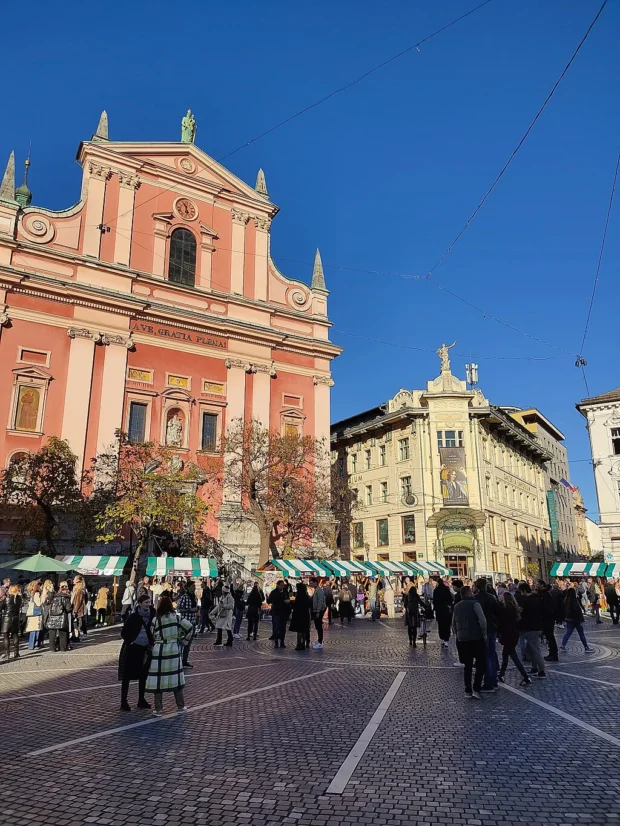
You can’t visit Ljubljana without seeing the Triple Bridge. It’s not just one bridge, but three stone walkways fanning out side by side. The architect Jože Plečnik rebuilt it in the 1930s, and people sometimes joke that it’s for those who can’t decide which way to go. In reality, it’s where life flows: students rushing to class, friends meeting in the middle, and couples pausing for a photo. Right here, you’ll notice the elegant pink church of Preseren Square, and behind it, the statue of France Prešeren the national poet who gave Slovenians both romantic poems and a sense of cultural pride.
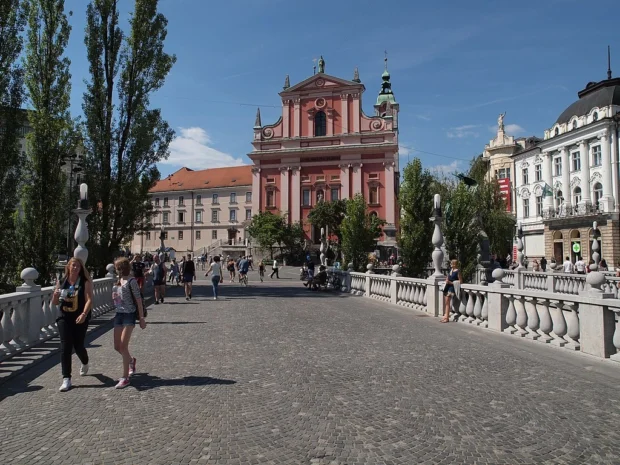
The square is always busy. Street vendors sell roasted chestnuts in autumn, and in winter, fairy lights twist around the bridges and trees. If you stay long enough, you might hear a busker singing in Slovenian a language that can sound both unfamiliar and soothing. I always lingered here, people-watching, half-tempted to join the teens laughing at the edge of the fountain.
Meeting the Dragon: Ljubljana’s Boldest Symbol
Let’s talk about the Dragon Bridge. It’s the city’s proudest landmark, with four snarling green dragons perched at its corners. Local legend claims that when a virgin crosses, the dragons wag their tails. Nobody I met ever saw it happen, but the bridge is an icon for a reason. Dragons have guarded Ljubljana’s myths since medieval times, and you’ll find their image everywhere from manhole covers to bakery signs.
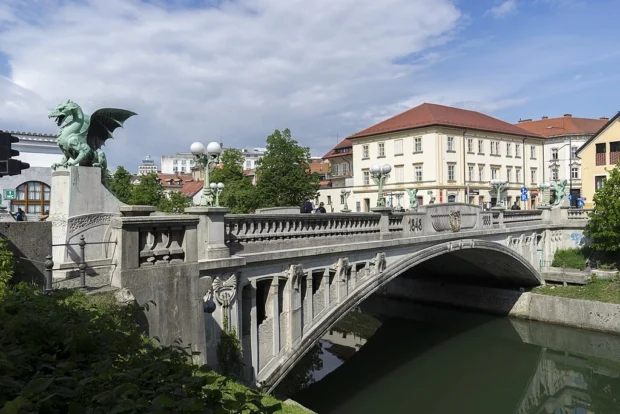
The bridge itself is a little chunk of Vienna Secession style, built in 1901 as a technical marvel of its time. For me, crossing the Dragon Bridge was like walking through a storybook plus, the market buzz just beside it led me straight into one of my favorite places in the city.
Central Market: Scent, Noise, and Everyday Rituals
Markets tell you more than museums, some say. Ljubljana’s Central Market lies under Plečnik’s arcades, stretching along the riverbank. There’s a covered section for cheese and honey, an open square for fruit and vegetables, and a fish market that hums with gossip by noon. I spent many mornings here, tasting early apples and homemade potica (a rolled sweet bread with walnuts). Vendors would greet me with “Dober dan!” and sometimes slip an extra plum into my bag.
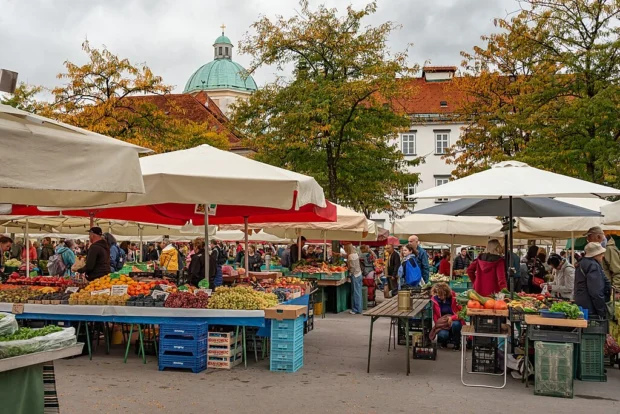
Wandering the market, you see how much the city loves traditions. Stalls overflow with seasonal goods wild mushrooms in spring, pumpkins in autumn. Old ladies sell hand-knitted socks and homemade schnapps. I once met a man who carves wooden spoons, each one shaped by stories from his childhood in the countryside. You’ll spot students bargaining for breakfast and grandmothers comparing herbs. If you want to eat like a local, this is the place to begin.
From Castle Hill to Tivoli Park: Green Spaces and City Views
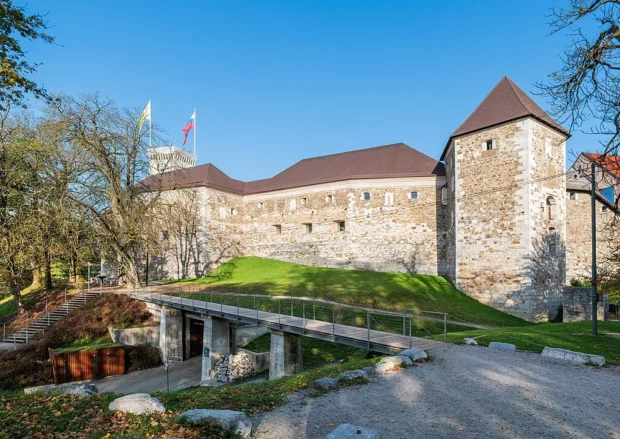
No visit to Ljubljana feels right without climbing up to Ljubljana Castle. You can walk or take a funicular that glides silently up the hill. The castle is a medieval fortress, rebuilt many times over centuries once a prison, now a museum space and viewpoint above red rooftops. I remember a foggy morning when the city disappeared below, and only the castle’s stone walls felt real. Inside, exhibitions tell stories from Roman times to the present, and the tower gives a sweeping view, perfect for understanding the geography that shaped this old trading town.
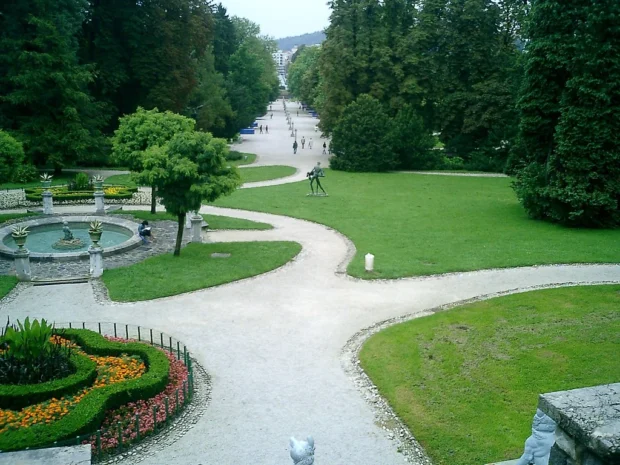
Down from the castle, city life softens into leafy walks. Tivoli Park is Ljubljana’s green lung, stretching west from the center. It’s both a park and an outdoor gallery lined with sculptures and open-air photo exhibitions. Joggers and painters share the tree-shaded paths. I liked to sit by the small pond at dusk and watch the city slow down, dogs playing, students lounging with books. There’s a glasshouse full of tropical plants and peacocks strutting on the lawns, incongruous and regal.
Old Town Surprises: Street Rhythms and Secret Corners
Ljubljana’s Old Town is compact, letting you wander without a map. Cobbled streets wind past 16th-century houses with painted shutters and sunlit courtyards. Here’s where I stumbled into hidden bookstores, quirky galleries, and, on rainy days, a tiny cinema screening old Yugoslav films with subtitles. All along Stari trg and Mestni trg, you find small shops selling ceramics, embroidered linens, and gingerbread hearts a craft tradition shaped by centuries of trade through this river city.
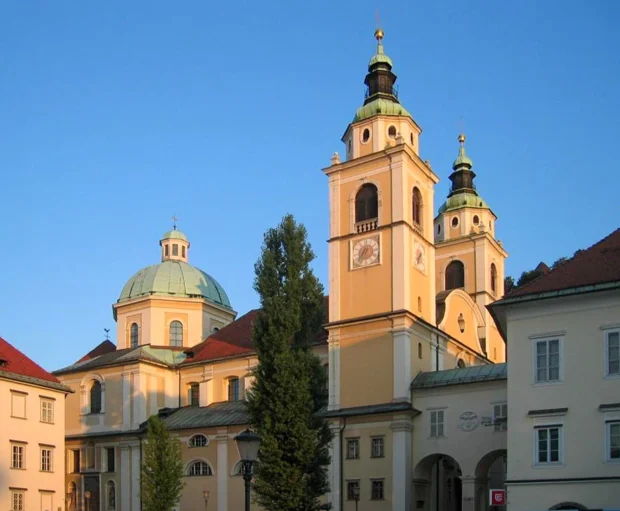
The Ljubljana Cathedral, with its green dome and twin towers, always pulled my attention. Not just for its Baroque beauty but also for the bronze doors modern, detailed, telling stories of Slovenian saints and history. I once sat quietly inside, listening to the echo of organ music and the shuffle of feet, feeling the mix of reverence and daily life.
Metelkova and Špica: Urban Creativity Meets Riverside Calm
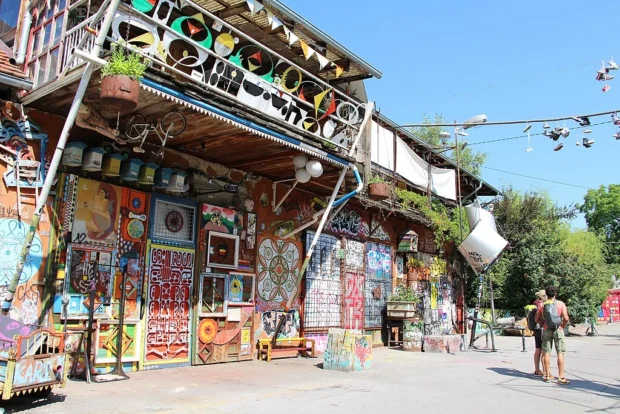
Ljubljana is not all history and quiet walks. To see its younger, rebellious side, I would wander to Metelkova Art Center. This was once army barracks, now a riot of murals, sculptures, and clubs. Graffiti covers every wall, and the place buzzes with concerts, exhibitions, and late-night debates, especially on weekends. The crowd is mixed: artists, students, travelers, all sharing stories under bright mosaics. It’s a little messy, sometimes surprising, but always alive.
Not far from the city center, Špica Park is where the river splits. Families picnic on wide lawns, cyclists coast along shady paths, and students read on benches that seem made for daydreaming. Locals explained that, years ago, this was a spot for doing laundry in the river. Today, the energy is much gentler. Sometimes there’s open-air yoga or small festivals, and the riverside cafés make a relaxed stop before sunset.
Eating in Ljubljana: Simple Pleasures and Seasonal Surprises
Food in Ljubljana is a story told in small bites. In the Central Market district, I tried “burek” a flaky pastry filled with cheese or meat sold from windows late into the night. Near the old town, I joined locals for a bowl of “jota,” a stew of sauerkraut, beans, and pork, originally a peasant dish now loved by everyone. The best potica I tasted was from a bakery near the river, eaten still warm, its spiral revealing poppy seeds and honey.
Menus change with the seasons. In autumn, mushroom soup appears everywhere; in spring, wild asparagus is prized. At riverside bistros, I watched people order “štruklji” rolled dumplings, sometimes sweet with cottage cheese, sometimes savory with herbs. For a quick snack, try “klobasa” a local sausage paired with a slice of rye bread. Coffee culture is strong here, but so is craft beer. I met friends in tiny bars along Trubarjeva street, each pint tasting a little different, each conversation drifting from politics to mountain hikes.
Getting Around the City: Simple and Green
Ljubljana is easy to move through. If you arrive by train, the station is just a ten-minute walk from the heart of the city. From the airport, frequent buses connect you to the main bus station, which is also close to the center. Most places in Ljubljana are best reached on foot or by bicycle. The city’s old town is closed to cars, making walks safe and pleasant. Public buses are efficient and cheap, and I often took them to reach outlying neighborhoods or Tivoli Park.
Renting a bike is simple there are stands across the city. Many locals prefer cycling, helped by flat streets and dedicated lanes. Along the river, you’ll see families pedaling, and in the mornings, office workers glide past with briefcases balanced in baskets. On rainy days, I found the city’s covered arcades handy no need to get soaked as you browse for pastries or flowers.
Staying in Ljubljana: Where to Rest Your Head
Ljubljana has a range of places to stay, from quiet guesthouses in Baroque buildings to modern apartments hidden in leafy courtyards. To really feel the city, choose somewhere near the old town or close to the river. It’s easy to walk from your bed to the best bakeries, and you’ll hear church bells in the morning. For a different vibe, some travelers pick rooms in the student district, where bars and galleries stay open late. If you prefer early mornings, look for a place near Tivoli Park or the castle hill, where bird song replaces traffic noise.
Cultural Insights: Everyday Life and Local Customs
Slovenians are proud but not loud. They’ll help with directions, but don’t expect big gestures. A simple “hvala” (thank you) is always appreciated. Shoes off inside homes, and don’t worry if people seem reserved at first after a chat about hiking or winter skiing, the conversation soon warms. On Fridays (especially in summer), the Open Kitchen market in the central square fills with food stalls, and everyone mingles old traditions and new flavors meeting on wooden benches.
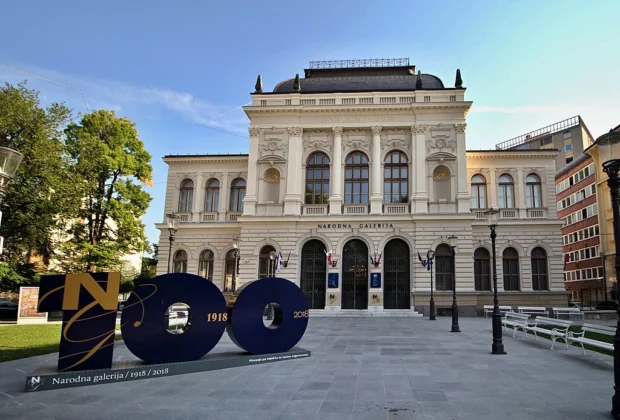
For art, don’t miss the National Gallery. Inside, I lost track of time among paintings from medieval saints to 20th-century portraits. The gallery’s collection told me as much about Slovenian dreams and worries as any guidebook. Outside, statues and plaques show how much the city values its poets, architects, and thinkers.
Oddities, Anecdotes, and Why Ljubljana Feels Just Right
If you listen to Ljubljana’s stories, you’ll hear more than history. There’s a tale about the Argonauts Greek heroes who, legend says, killed a dragon near here on their way home. Locals nod at the myth, then talk about real dragons: the lizard-shaped rainspouts on old houses, or the fire-breathing “zmajček” in the annual Dragon Carnival. One summer, I joined a group of elderly chess players under Plečnik’s colonnade. They told me how the city changed after independence, how every square and alley holds layers of memory.
I also learned that Ljubljana takes care of its green spaces: bee hotels hang on public walls, and beekeeping is a proud old tradition. On certain rooftops, you’ll see wooden beehives, painted in bright colors. Even statues have a sense of humor like the bronze ballerina secretly balancing on a railing, or the oddball street-art installations that appear overnight on Metelkova’s walls.
In the end, what I remember most from living in Ljubljana is the rhythm of its days. The way market women chat about the weather. The quiet of the river at sunrise. The painter mixing pigments by the cathedral steps. The bite of sour “žganci” with mushroom sauce on a rainy evening. The city is easy to love not because it tries too hard, but because it lets the small details shine. If your path brings you here, keep your eyes open and your schedule loose. Ljubljana is a place to wander, taste, and listen, and to find your own favorite corner beneath the castle’s watchful walls.
For a vibrant contrast to Ljubljana’s charm, the lively scenes and iconic landmarks of Rio de Janeiro offer a colorful journey through Brazil’s boldest city.
Eastern Europe travel specialist uncovering hidden gems from the Baltics to the Balkans.
- Gallusovo nabrezje in Ljubljana (2) by Tournasol7 on Wikimedia Commons – cc by 4.0
- Triple Bridge in Ljubljana in late June by JIP on Wikimedia Commons – cc by-sa 4.0
- Prešeren Square 6 by Viktar Palstsiuk on Wikimedia Commons – cc by-sa 4.0
- Dragons Bridge, Ljubljana 2 by Thomas Ledl on Wikimedia Commons – cc by-sa 4.0
- Ljubljana Central Market (54039392141) by Jorge Franganillo on Wikimedia Commons – cc by 2.0
- Castle of Ljubljana (27) by Tournasol7 on Wikimedia Commons – cc by 4.0
- Park Tivoli – Ljubljana (2) by kajikawa on Wikimedia Commons – cc by 3.0
- Ljubljana – AKC Metelkova (48754234718) by Fred Romero from Paris, France on Wikimedia Commons – cc by 2.0
- Lublaň, Národní galerie 1 by VitVit on Wikimedia Commons – cc by-sa 4.0
.jpg)


.jpg)
.jpg)
.jpg)
.jpg)
