

Nice whispers its name with sunlit confidence. If you walk along one of its boulevards or pause by the shore, you’ll notice how the city mixes old grandeur with the cheerful ease of life on the Côte d’Azur. I’ve spent long afternoons watching locals play chess beneath palm trees, mornings meeting bakers opening their shutters, and evenings tracing the cool lines of Belle Époque facades. This city rewards slow steps and open eyes. From the first shimmer of the sea to the last lavender-glow sunset, Nice is both accessible and endlessly surprising for visitors from all over the world.
Table of Contents
Arrival in Nice: Gateway to the French Riviera
Arriving in Nice feels like stepping into gentle sunlight, even after a long flight. If you land at Nice Côte d’Azur Airport, the city center is barely 7 kilometers away. I recommend taking the tram, Line 2, which travels directly from the airport to Jean Médecin in the heart of Nice. It’s inexpensive, easy to navigate, and offers a quick glimpse of the Mediterranean just before you glide into the busy city streets. If you come by train, Nice-Ville station is well placed and surrounded by classic terraces and bakeries perfect for your first taste of the local pace.
Strolling the Promenade des Anglais
Sunlight and sea air define the Promenade des Anglais. Every time I walked this famous seaside boulevard, I was struck by the way locals and visitors blend together—children skate, elderly men play chess, and runners continue even in the heat. The Promenade’s name comes from English aristocrats who wintered here in the 19th century. The smooth palm-lined stretch runs for nearly 7 kilometers along the water. Sit on the classic blue chairs for a while. They’re more comfortable than they look, and the people-watching never disappoints. In the morning, old fishermen gather at the edge. By sunset, musicians and street artists perform in the cooler air. The sound of waves is a gentle, constant rhythm, as soothing as any French lullaby.

Climbing Castle Hill and Tour Bellanda
You might miss Castle Hill if you don’t look up. Locals call it “Colline du Château,” but there’s no castle left. The real reward is the climb by foot, or if you prefer, a public elevator near the base. At the top, everything slows down; the city stretches below, red-tiled roofs glowing. You see the sharp contrast between the blue sea and the ochre walls of Vieux Nice. The green park up here feels surprisingly wild, with hidden paths, waterfalls, and the old Tour Bellanda a round tower with a story of pirates and poets. I once joined a group of retirees playing cards under the trees, who told me the climb is their secret to long life. The air is fresher, and the silence is rare in a busy city.

Old Town’s Labyrinth: Vieux Nice
No two people have the same experience in Old Town (Vieux Nice). The streets are narrow, the colors intense yellow, orange, and faded green. Sometimes I think Nice should be called the City of Shutters, because almost every window has them. I spent hours wandering: passing tiny shops selling candied fruit, cheese, and soaps, chatting with a painter who sets up his easel in a lane that smells of basil. Step into one of the cool, dark churches, like Nice Cathedral, and feel the city’s older heart. Its Baroque lines and frescoes made me linger longer than I planned. Nearby, the Palais Lascaris is quieter than you’d expect a 17th-century palace with pretty ceilings, harpsichords, and an odd display of ancient musical instruments. I recommend letting yourself get lost once or twice. That’s when you’ll discover hidden fountains and small squares where locals sip coffee no rush, just the patient rhythm of city life.


The Colorful Cours Saleya Market
Every morning, I followed scents flowers, spices, cheese to the Cours Saleya Market. Think of it as a living painting: striped awnings, rows of fresh produce, and sunlit bouquets. The flower market is most famous, but you can also sample olives, Socca (chickpea pancake), and fragrant strawberries. If you hear fast-paced Niçois dialect, you’re in the right place. On Mondays, the fruit and flowers are replaced by antiques old books, silverware, postcards, even 1920s beach photos. It’s easy to imagine Matisse or Chagall wandering here in their time, searching for inspiration and breakfast. The best Socca stall, in my opinion, is run by a woman with strong arms and a quick laugh. She serves the pancake hot, folded into brown paper. Eat it on the market steps; the taste is smoky, rich, and slightly peppery a true taste of Nice.

Art and Museums for Every Mood
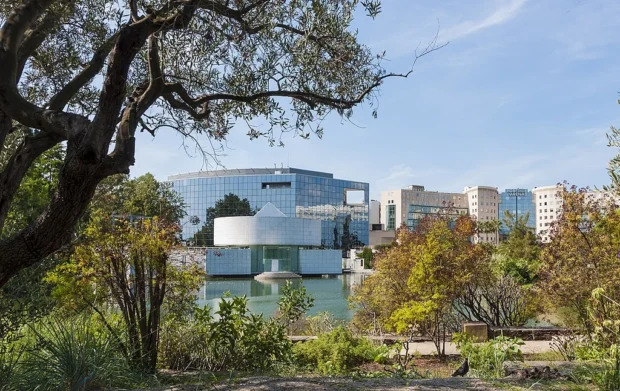
Nice is a city that attracted artists for a reason. I made an afternoon pilgrimage to the Marc Chagall National Museum. The light in his paintings seems to echo the Riviera sky. The building is peaceful, surrounded by Mediterranean trees. Spending an hour here is like moving through a dream—floating figures, sunbursts of color, and scenes from old Russian stories that Chagall loved. Not far away, the Museum of Modern and Contemporary Art (MAMAC) rises up like a ship of glass and steel. Its rooftop terrace offers a secret panoramic view, and inside the galleries, you’ll find bold pieces from the 1960s to today. I met a local art student there who told me she comes often “just to think”—the quiet is good for ideas.
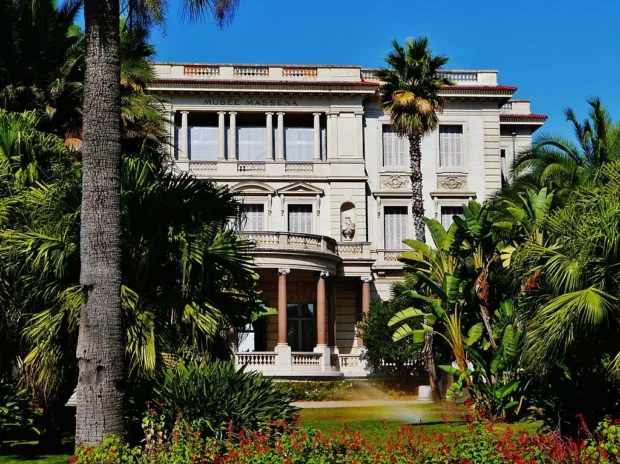
If you’re drawn to something more classical, the Russian Orthodox Cathedral is impossible to miss. Its onion domes shine, even on cloudy days. The cathedral was built for Russian aristocrats more than a century ago. When I visited, a wedding was taking place golden light, incense, and singing voices echoing inside. For a taste of the Riviera’s Belle Époque style, stroll past Villa Masséna its stately gardens are public and worth a break from the midday sun.

Savoring Food in Nice: Where and What to Eat
Nice’s cuisine is tied to both France and Italy, with sun-drenched flavor and a touch of sea salt in every bite. My favorite neighborhood for food is Old Town, where family-run bistros serve up Niçoise salad crisp lettuce, anchovies, eggs, and tomatoes that taste sweet even in winter. Don’t skip Pissaladière (onion tart), especially if you see a bakery with a line in the morning. In the Liberation district, try Pan Bagnat, a sandwich packed with salad and olive oil, perfect for lunch on the go.
If you visit during the city’s festivals, like Carnaval de Nice or the summer jazz festival, you’ll notice new flavors in the air citrus, grilled sausages, sticky pastries. I struck up a conversation with a fisherman at Cours Saleya who swore by the anchovies caught just off Cap Ferrat; his family has lived here for generations, selling their catch at dawn.
Squares, Parks, and the Rhythm of City Life
Public spaces in Nice are more than background they’re the city’s living rooms. Place Masséna is where I’d always end up in the evening. This large square, paved in red and black tiles, is lined with cheerful arcades. Modern statues perched above the square seem to “watch” the city. People meet here after work or before concerts. Sometimes you’ll see spontaneous performances, from skateboarding to tango classes.

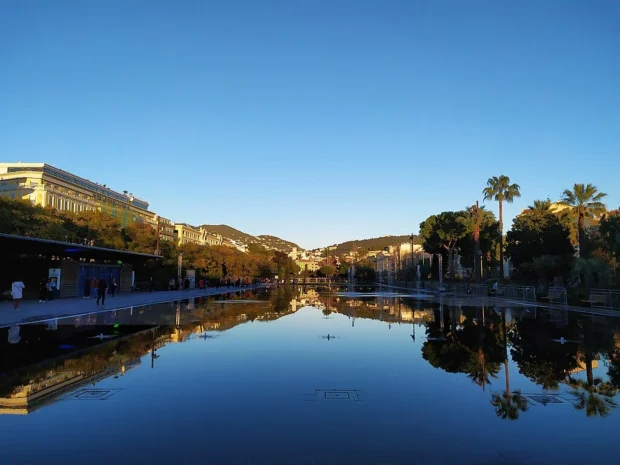
Nearby, Jardin Albert I offers green lawns and shaded paths. I saw children dancing in the fountains during a summer heatwave, watched by grandmothers with baskets of cherries. The park leads back towards the Promenade and the sea breeze. Further inland, the Parc Phoenix with its glass pyramid greenhouse makes a nice escape with its exotic plants and gentle birdsong. If you’re seeking quiet, Monastère de Cimiez stands at the city’s edge. Its gardens are serene, with ancient olive trees and a soft view over Nice. The monks’ rose garden is lovely in May, but even in winter, the silence is deep.
Where to Stay: Feeling at Home in Nice
Choosing where to sleep in Nice depends on your pace. If you enjoy nightlife and lively scenes, the area around Place Garibaldi or the Port rushes until late at night and offers easy access to bars and music spots. Old Town is best if you want to wake up surrounded by history; windows open over market lanes, and cafes are just steps away. For more peaceful nights, the Cimiez district is quieter and filled with gardens. Those who long for the sea might prefer a guesthouse closer to the Promenade des Anglais to catch the sunrise. Many apartments and small hotels offer balconies ideal for evenings spent with local wine, watching the city lights.
Customs, Manners, and the Color of City Life
The rhythm of Nice isn’t hurried. People linger over coffee, greet shopkeepers, and seem to greet the day with patience. It’s polite to say “Bonjour” when you enter a shop or market; a simple smile opens more doors than perfect language. Don’t rush through a meal meals are slow, social affairs. And while the city is mostly relaxed, locals don’t usually wear swimsuits away from the beach keep a shirt or dress handy when you leave the Promenade.
You may notice that people here cherish small rituals: a morning game of pétanque (boules), sharing fresh bread, or gathering under the plane trees for conversation. If you join a table, even as a stranger, there is a silent expectation to listen as much as speak. Stories are important, sometimes told with hands as much as words. Once, I spent an hour with an old man in a café who insisted on drawing me a map of his favorite sunset spots his “gift to the next curious soul,” as he called it.
Unexpected Moments, Festivals, and Everyday Surprises
Nice is full of small oddities that delight anyone paying attention. I discovered a narrow street where every window had a different colored shutter, forming a rainbow for just a few hours of the afternoon. Some corners hide fragments of Roman walls or fountains that have flowed for centuries. During the Festival du Livre, I watched poets reading under olive trees in front of delighted children. On a Sunday morning, a local jazz trio played in a square, their hats full of coins and the air thick with applause.
Evenings buzz with life sometimes with organized festivals, other times with spontaneous dance or laughter. Every so often, an old tram bell rings out, announcing the beginning of another night. The city feels safe for walking at almost any hour. Early morning is my favorite time: the streets are quiet, and the sea is calm, almost silvery.
Looking beyond Nice, Marseille invites you into vibrant markets and lively cafés to feel another true Mediterranean spirit in Marseille Through Market Streets, Cafés and Sea Air.
Nice in Your Own Time: Final Thoughts on the City
I left Nice with sand in my shoes and lavender soap in my suitcase. I still remember the taste of lemons from a market stall and the hush of Castle Hill’s summit at dusk. Nice invites anyone to slow down, listen, and look again. Whether you spend hours at the museums, climb to shaded gardens, or simply settle into a café with a book, the city always finds a way t become personal. It’s a place where old stories and new moments meet, shimmering in the Mediterranean sun.
Beyond Nice’s charm, explore the Seville Cathedral for its striking Gothic architecture and rich history nearby.
Lover of cities, local cafés, and historic streets, exploring urban life with attention to architecture and culinary delights.
- Vieille Ville, Nice, France – panoramio (17) by trolvag on Wikimedia Commons – cc by-sa 3.0
- Nice Promenade des Anglais Plage 2 by Zairon on Wikimedia Commons – cc by-sa 4.0
- Nice Parc du Château de Nice Vue Panoramique 14 by Zairon on Wikimedia Commons – cc by-sa 4.0
- Nice,cathédrale,extérieur01 by Finoskov on Wikimedia Commons – cc by-sa 4.0
- Nice Vieux-Nice 1 by Zairon on Wikimedia Commons – cc by-sa 4.0
- Nice (06) Cours Saleya 634 by GFreihalter on Wikimedia Commons – cc by-sa 4.0
- Nice Villa Masséna 4 by Zairon on Wikimedia Commons – cc by-sa 4.0
- Nice Cathédrale Orthodoxe-Russe Saint-Nicolas Extérieure 02 by Zairon on Wikimedia Commons – cc by-sa 4.0
- Nice Place Masséna 07 by Zairon on Wikimedia Commons – cc by-sa 4.0
- Parc Phoenix L'Arenas Nice by André ALLIOT on Wikimedia Commons – cc0
- Nice miroir d'eau by Anthony Baratier on Wikimedia Commons – cc by-sa 4.0
.jpg)


_Cours_Saleya_634.jpg)


