

If you are seeking a destination where layers of history mix with dynamic city life, Warsaw is a fantastic choice. As the heart of Poland, Warsaw offers remarkable heritage, lively districts, and a sense of ongoing renewal found nowhere else in Europe. It is a city where every street corner seems to echo with stories sometimes tragic, often triumphant, and always fascinating. As we explore Warsaw together, you will notice how this city blends proud tradition and modern creativity. Whether you are interested in medieval architecture, daily markets, or simply finding a welcoming spot for coffee, Warsaw welcomes you in many languages especially if you greet someone with “Dzień dobry” (good morning).
Table of Contents
Exploring Warsaw’s Old Town: A Living Postcard
Walking through the Old Town, or Stare Miasto, is like stepping into a beautifully painted history book. What amazes many, including myself, is that so much of the Old Town was rebuilt from rubble after World War II. Thanks to the care and dedication of local craftsmen and artists, the colorful facades, charming market square, and cobblestone streets look almost untouched. I spent an afternoon wandering past street painters, small bakeries and the towering St. John’s Archcathedral, where the faint sound of organ music drifted through open doors.

If you pause at a quiet street corner, you might overhear locals sharing a laugh over coffee. When I tried to order in Polish, my attempt at “Poproszę kawę” (I’d like a coffee) brought a smile and even some patient encouragement from the waitress. The Old Town Square itself is perfect for photos, with its mermaid statue (the symbol of Warsaw) and lively market. In summer, artists and musicians fill the streets, while winter brings one of the most magical Christmas markets I have seen in Europe.
Wandering through the Old Town’s vibrant streets is even more rewarding when you visit Warsaw Old Town Walks and Tales to Embrace Today, where history and culture come alive.
The Royal Castle and Polish Heritage
Just at the entrance to the Old Town stands the red-brick Royal Castle. Once home to Polish kings, today the castle invites visitors to explore grand halls, impressive art, and handwoven carpets. During my visit, I joined a local guide who revealed the castle’s secret: nearly every room had been destroyed and meticulously restored using old paintings as blueprints. The Ball Room, with its gilded details and tall mirrors, feels like a page from a fairy tale but is also a monument to Polish resilience.

Across from the castle, you will find Castle Square a bustling place for street performers, food carts selling hot “zapiekanka” (a local-style toasted baguette with mushrooms and cheese), and sometimes even students practicing the waltz under the open sky. I learned that saying “Dziękuję” (thank you) will always earn another warm smile, especially from those who remember what this city overcame to rebuild.
Green Escapes: The Beauty of Łazienki Park
When the city’s rhythm becomes lively, Łazienki Park offers a soft, green escape. It is Warsaw’s largest park designed in the 18th century as a royal summer residence. I recommend visiting early in the morning when locals jog past peacocks, or later in the day for a peaceful picnic by the lake. The Palace on the Isle, a neoclassical masterpiece, appears to float over the water its reflection creating postcard-perfect scenes. Chopin concerts fill the air on summer Sundays, drawing crowds to the rose gardens and shaded paths.
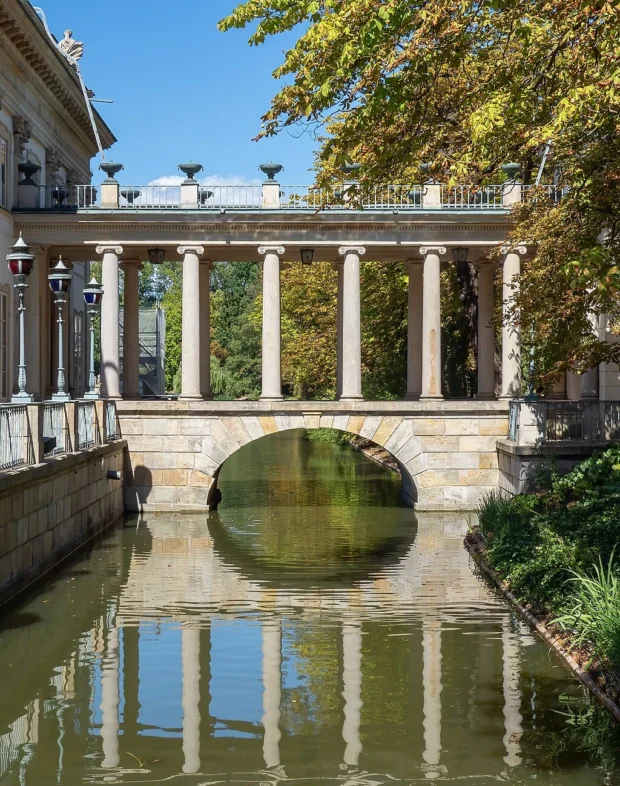
If you are feeling adventurous, look out for the small amphitheater on the lake’s edge. Sometimes, local students rehearse plays here, continuing a tradition of outdoor performance. Close to the park, I found family-run bakeries serving “sernik,” a Polish cheesecake that is both light and comforting worth tasting before wandering back under old chestnut trees.
Essential Warsaw Landmarks for Culture Lovers
No visit to Warsaw is complete without seeing the Palace of Culture and Science. Constructed in the 1950s as a gift from the Soviet Union, it is the tallest building in Poland and a symbol that locals have mixed feelings about. Some see it as a relic, others as a meeting point a place to catch a panoramic view of the city from the observation deck. I was surprised by how lively the square around the palace can be, filled with concert-goers, skateboarders, and open-air exhibitions.

Nearby, you will find the Warsaw Uprising Museum. Its powerful exhibits use sound, film, and personal items to share the stories of brave men and women who fought for Warsaw’s freedom in 1944. The museum is not only informative but deeply moving, giving a voice to memories that shaped the entire country.

A short tram ride brings you to the POLIN Museum of the History of Polish Jews. This modern building with glass, light, and gentle curves tells centuries of Jewish life in Poland. I spent hours tracing the stories of artists, merchants, and families who helped shape Warsaw’s culture through textiles, ceramics, music, and learning. It is a place that invites reflection and respect, especially when you join a guided tour or local schoolchildren on their educational visits.

Palaces, Science, and Shopping: More Warsaw Sights
Traveling further from the center, Wilanów Palace, often called Poland’s “Little Versailles,” is a treasure for anyone drawn to baroque architecture and royal gardens. I lost track of time studying the frescoes, gilded ceilings, and displays of ceramics from trading routes that once connected Warsaw to Venice and beyond. The Museum of King Jan III’s Palace at Wilanów, located on the same grounds, reveals more about Polish monarchs and noble families their art, festivals, and even the old kitchen recipes. Speaking of food, the nearby district is known for serving “pierogi,” boiled dumplings filled with everything from mushrooms to berries simple but deeply satisfying.
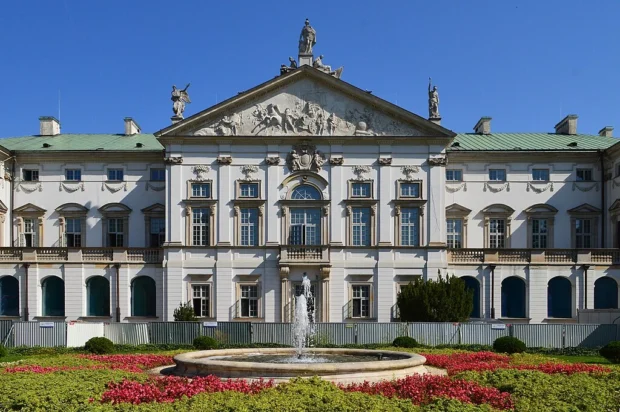
If you enjoy science, the Copernicus Science Centre is a must-see. Perfect for both children and adults, it offers hands-on exhibits and experiments. I built a small robot, watched a lightning demonstration, and learned from local inventors. Warsaw’s youthful curiosity is alive here; the center bustles with school groups and families, especially on weekends.

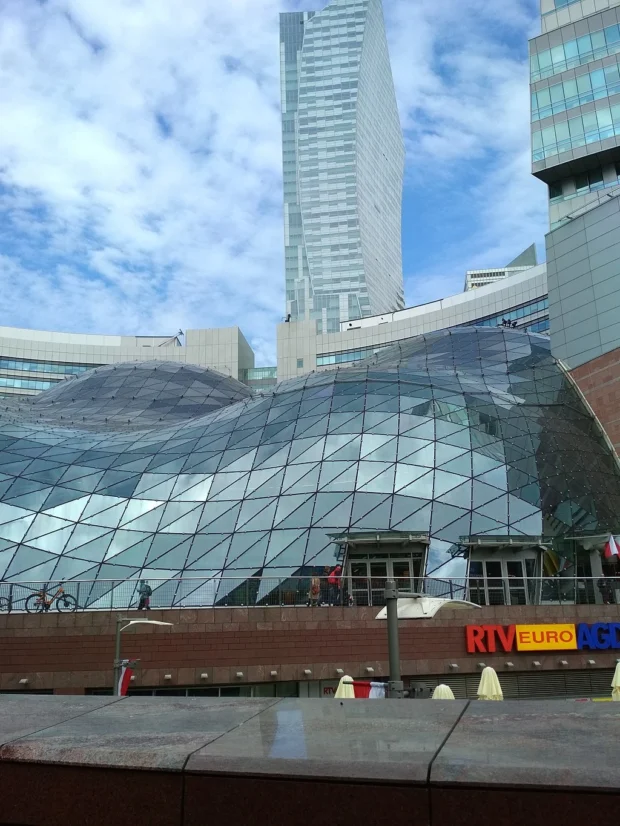
For shopping and modern city energy, head to Złote Tarasy, a shining glass-walled shopping mall beside the main train station. I spent a rainy hour browsing local textiles, wooden crafts, and even pottery inspired by old Polish patterns. The food court here offers everything from quick snacks to hearty sit-down meals try bigos, the hunter’s stew, if you want a taste of Polish forests and tradition.
Food Specialties and Where to Eat in Warsaw
Warsaw’s culinary scene is diverse, but I found that classic Polish flavors still lead. In the Praga district, old markets come alive each morning piles of fresh bread, smoked cheese, and pickles. Street vendors near the Old Town tempt you with “obwarzanek” (a chewy bread ring sprinkled with seeds) and “pączki,” a sweet donut popular during festivals. I once joined a group of locals at a pierogi bar, where the debate was fierce: savory cabbage and mushroom, or sweet blueberry filling? My advice try both.
Dining is relaxed, and it is customary to greet with a friendly “Cześć” (hello) when entering small cafes. In more formal restaurants, locals appreciate politeness, and you may notice that people often keep their voices quiet. Soup is a must with every meal, and I recommend ordering “żurek” (sour rye soup) or barszcz, a beetroot soup often served with dumplings or boiled potatoes. If you are traveling on a budget, look for “milk bars” simple canteens offering hearty portions at wallet-friendly prices.
Vegetarian food is becoming easier to find, especially in the Śródmieście and Powiśle districts. Here, new restaurants mix Polish tradition with international ideas beet and walnut pâté, or oven-roasted root vegetables served with dill and local sour cream. Even in simple bakeries, you will find seasonal treats that reflect the city’s connection to Poland’s farms and forests.
Getting Around Warsaw: Quick and Easy
Arriving in Warsaw is straightforward. From Warsaw Chopin Airport, city center trains run regularly and take less than thirty minutes. Modern trams and buses connect every corner of the city, and tickets can be bought at machines or kiosks near stops just remember to validate your ticket after boarding. When I missed my stop, a friendly local helped with a map, teaching me my favorite Polish word: “Spokojnie” meaning “no worries.”
The metro is fast, clean, and easy to use, with signs in both Polish and English. Main train stations connect Warsaw to cities across Poland and the rest of Europe, making day trips possible. You rarely need a car, as most significant sights and museums are within walking distance or just a few tram stops away. I found that even the bus drivers were patient with questions just offer a smile, and perhaps a “Dzień dobry,” when you board.
Local Life, Culture, and Traditions
Warsaw’s customs are shaped by centuries of survival, hospitality, and respect. Locals stand when older people enter the room, and it’s polite to shake hands or make eye contact when greeting someone. Most people dress smartly jeans and a shirt are fine for daytime, but in churches or concert halls, I noticed visitors preferred jackets or nice blouses.
Warsaw is a city of music; you may hear Chopin drifting from an open window or jazz in a cellar bar. Traditional markets sell colorful ceramics, hand-embroidered textiles, and wood carvings, part of an old craft tradition that’s still alive. One afternoon, I watched a grandmother teaching her grandson how to paint pottery, patiently explaining the patterns that have decorated Polish homes for generations. In summer, parks fill with people sharing picnics or reading poetry; in winter, locals gather around tables with hot tea and conversation.
A simple but important custom: never refuse a piece of bread or cake when offered in someone’s home. It is seen as a gesture of friendship and hospitality. Likewise, when visiting churches or monuments, speak softly and dress respectfully locals are proud of these places, which hold both religious and national meaning.
Unexpected Warsaw: Stories and Surprises
One of the joys of Warsaw is finding beauty in unexpected places. Strolling in the Powiśle area, I discovered street art on former power station walls. The district is being transformed by new cafes and creative studios, but old fishermen still cast their lines on the Vistula River banks at dawn, just as they did a century ago. A curious fact Warsaw is home to the world’s narrowest house, called the Keret House. You will find it hidden between two buildings, only about as wide as a door.
Railway heritage is strong in Warsaw. The central station once a symbol of communist power now welcomes travelers from all over Europe. Each summer, the city’s trams roll out historical cars for public rides. I hopped aboard a vintage tram for a short journey through leafy avenues, and the conductor shared stories of old Warsaw, of poets who traveled these lines to cafés where revolutions were once whispered.
Markets remain the pulse of city life. Hala Mirowska, built in the late 19th century, is a favorite for fresh flowers, fruit, and pickled vegetables. Early in the morning, the air is full of voices farmers from Mazovia selling apples, fishmongers unpacking river trout, bakers carrying baskets of poppyseed rolls. Bargaining is friendly, and from time to time, an old storyteller even shares folk legends between stalls.
Where to Stay: Comfort Across the City
Warsaw offers many choices for staying overnight. Near the Old Town, guesthouses and apartments offer easy access to sights, perfect if you enjoy evening walks past illuminated monuments. The City Center, or Śródmieście, is practical for those who want to be close to museums, shopping, and public transport. Praga, across the river, has become popular for its creative spirit and restored historic buildings there, you might find quiet courtyards, art galleries, and late-night music clubs.
If you prefer peaceful surroundings, neighborhoods near Łazienki Park and Wilanów offer quiet streets and green views. Wherever you stay, you can count on friendly hosts and a sense of safety the city is well-lit and active at all hours. For a touch of tradition, I recommend looking for accommodation in a converted townhouse or a small residential block, where balconies fill with geraniums in summer and neighbors greet each other with a simple “Cześć.”
Final Thoughts: Memory and Renewal in Warsaw
Warsaw leaves an impression that stays long after you leave. It is a city that honors its past while always building something new be it a glass skyscraper, a hand-painted bowl, or the next generation of poets and musicians. The echoes of medieval trade routes, the art of local craftsmen, and the spirit of its rebuilding are all woven into daily life here. Whether you come for palaces, parks, or just to enjoy a coffee with locals, Warsaw will welcome you with open arms and a resilient heart.
So next time you think about a European city break, remember Warsaw a city of surprises, warmth, and wonderful stories waiting to be shared.
For travelers charmed by Warsaw’s mix of history and vibrant city life, exploring the stunning Grand Place in Brussels reveals another layered European square rich in architecture and living tradition.
Eastern Europe travel specialist uncovering hidden gems from the Baltics to the Balkans.
- 2017-05-27 Plac Zamkowy w Warszawie 1 by Maksym Kozlenko on Wikimedia Commons – cc by-sa 4.0
- Warsaw Old Town, Warsaw, Poland – panoramio (40) by Ben Bender on Wikimedia Commons – cc by-sa 3.0
- Royal Castle, Warsaw, western facade, 2024, 01 by Chris Olszewski on Wikimedia Commons – cc by-sa 4.0
- Royal Lazienki park (21889) by Rhododendrites on Wikimedia Commons – cc by-sa 4.0
- Palace of Culture and Science, Warsaw, Poland August 2019, 03 by Kgbo on Wikimedia Commons – cc by-sa 4.0
- Czyste, Warsaw, Poland – panoramio (15) by Roman Eugeniusz on Wikimedia Commons – cc by-sa 3.0
- Warszawa – Muzeum Historii Żydów Polskich POLIN by Fred Romero from Paris, France on Wikimedia Commons – cc by 2.0
- Warsaw 2023 206 Krasinski Palace West Facade by Scotch Mist on Wikimedia Commons – cc by-sa 4.0
- Warszawa Centrum Nauki Kopernik (dron) by Kapitel on Wikimedia Commons – cc by-sa 4.0
- Zlotetarasy by Agwjkl on Wikimedia Commons – cc by-sa 4.0

.jpg)

.jpg)

.jpg)


.jpg)
