

Standing at the crossroads of ancient trade routes, Xi’an in central China weaves together more than 3,000 years of history, bustling bazaars, graceful temples, and some of the world’s most legendary monuments. Walking here, you feel centuries of Silk Road travelers beneath your feet and sense the energy that made this city a capital for thirteen dynasties. In Xi’an, every alley, market stall, and glazed roof tells a piece of a story far older than many modern cities. If you are planning a visit or simply dreaming of your next destination, let me take you through vivid scenes, practical advice, and memorable moments from my own extended stay in this remarkable city.
Table of Contents
Meeting the Terracotta Army: A Timeless Guard
I remember the first time I visited the Terracotta Army Museum, located about an hour northeast of Xi’an city center. Even before entering the site, the excitement in the air is unmistakable—tour groups from all over China and the world gather, speaking in hushed tones as if approaching ancient royalty. Discovered in 1974 by farmers digging a well, the Terracotta Army sits silent yet alive: thousands of life-sized soldiers, horses, chariots, and generals lined up in underground pits, each with a unique face and attire. Standing there is like watching a frozen army ready for battle, a grand vision built to accompany China’s first emperor, Qin Shi Huang, into the afterlife.

What most people don’t notice: look closely at the feet and hands some figures have fingerprints, and a few lost soldiers still wear the traces of bright paint. Archaeologists say the army was once painted in dazzling colors, which faded quickly after being unearthed. Restoration teams work quietly along the edges, piecing together fragments like a giant, ancient puzzle. The site covers several large halls; Pit 1 is the biggest and most dramatic, but Pits 2 and 3 show cavalry, archers, and even bronze chariots. Give yourself at least three hours here, and if you enjoy archaeological conservation, watching the ongoing restoration is almost as fascinating as the soldiers themselves.
Xi’an Ancient City Wall: Where Past and Present Walk Together
Returning to the heart of Xi’an, the Ancient City Wall rises above the traffic and modern buildings a thick, rectangular fortification that runs nearly 14 kilometers around the oldest part of the city. The first time I climbed its sturdy gray steps on a breezy autumn afternoon, schoolchildren were flying kites above the watchtowers, and couples rented tandem bicycles to circle the wall together. It is one of the best-preserved medieval walls in China, originally built during the Ming dynasty in the 14th century, though its foundations date back even further.
For those exploring Xi’an’s ancient walls, exploring Beijing’s Great Wall reveals a different scale of China’s historic fortifications and scenic hiking.
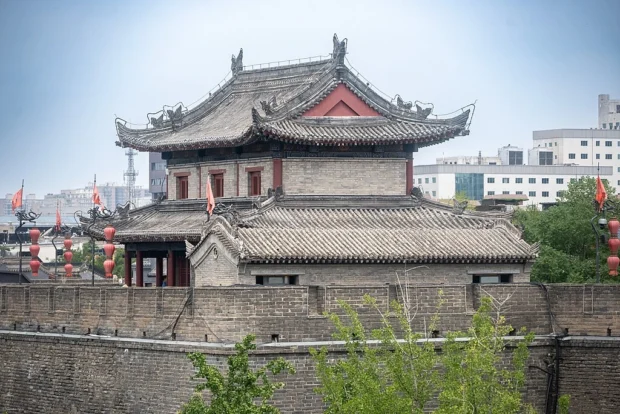
From the top, I could see tiled rooftops, smoky alleyways, and the orderly grid of the old city below. If you walk or cycle the wall’s entire length, each corner reveals a different neighborhood old tea houses in the south, bustling shops in the west, parks with ancient trees to the north. The wall’s wide surface feels like a stone avenue above the city, bordered by crenellations and shaded by lanterns at night. Restoration is ongoing; you might spot local masons carefully replacing bricks using traditional techniques, honoring a long history of defense and craftsmanship.
Immersing in the Muslim Quarter’s Sights and Scents
No visit to Xi’an is complete without wandering the Muslim Quarter, a maze of narrow lanes northwest of the Bell Tower, where the city’s Hui minority community has lived for centuries. Arriving near sunset, my senses were overwhelmed: bright neon signs above old wooden doors, the clang of woks, and a riot of aromas—lamb skewers, cumin, fresh coriander, and the sweet scent of persimmon cakes. The area is a legacy of Silk Road trade where Arab and Central Asian merchants settled, bringing their faith, spices, and architectural styles.
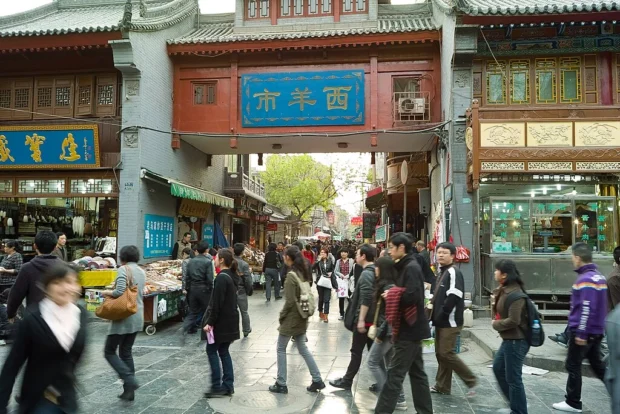
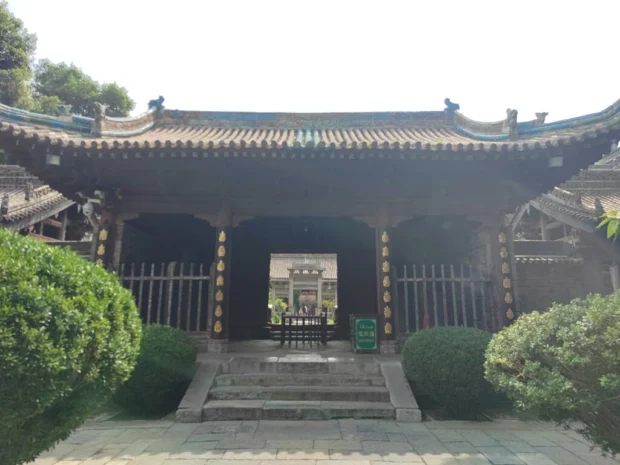
I was drawn to the Great Mosque, hidden on a quiet side street behind stone archways decorated with calligraphy and blue tiles. Unlike most mosques, it blends Chinese and Islamic architecture, with curved roofs, stone lions, and gardens of pomegranate trees. Walking here feels peaceful, almost meditative, away from the market crowds. In the quarter’s markets, I found stalls selling hand-made noodles, pickled vegetables, embroidered caps, and delicate ceramics a lively place for gifts or sampling traditional snacks. The crowd is friendly, and it’s easy to linger while watching craftsmen at work, especially those shaping candy or carving patterns in wooden blocks.
The Drum and Bell Towers: Timekeepers of the Ancient Capital
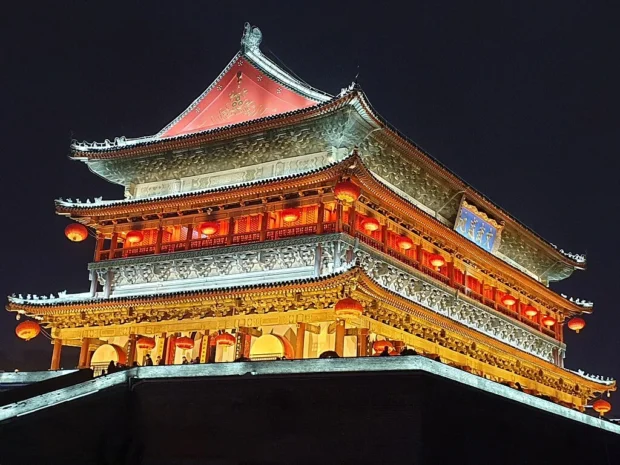
Standing at the intersection of Xi’an’s main avenues are two historic towers the Bell Tower and Drum Tower built in the 14th century. Their function was both practical and symbolic: the Bell Tower marked dawn and special occasions, while the Drum Tower announced nightfall and emergencies. Both are impressive structures, with sweeping eaves, red columns, and glazed tiles shining in sunlight. I recall climbing the Drum Tower stairs one rainy morning, passing under carved beams and peering out over umbrellas crowding the square below.
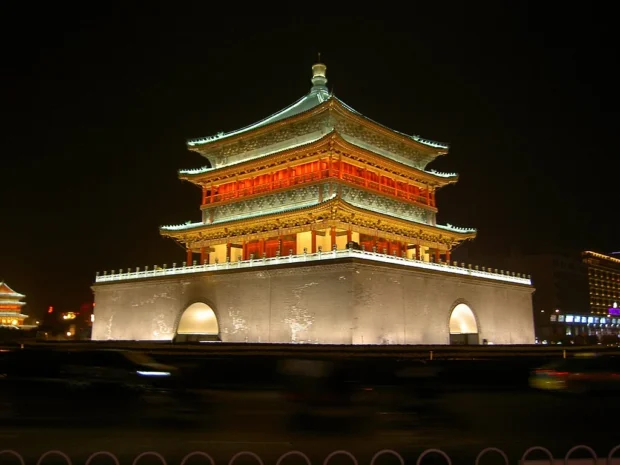
Inside, exhibitions share the history of timekeeping in ancient China bronze bells, old drums, and displays on city life centuries ago. Live drum performances echo through the halls several times a day, and from the upper balconies, you see the city’s dense layout and the distant line of the City Wall. In the evening, both towers glow with golden light, forming a scenic centerpiece for casual strolls or late-night snacks from the surrounding market stalls.
Big Wild Goose Pagoda: Stories in Stone and Brick
South of the city center rises the graceful, seven-story Big Wild Goose Pagoda, a symbol of Xi’an built in the Tang dynasty over 1,300 years ago. I visited on a bright spring morning, watching flocks of pigeons circle the pagoda’s brickwork. The pagoda was constructed to house Buddhist scriptures brought from India by the famous monk Xuanzang a story written in China’s classic novel, “Journey to the West.” The square base and gentle tapering shape recall early Buddhist architecture, but local artisans added decorative bricks and lotus motifs.
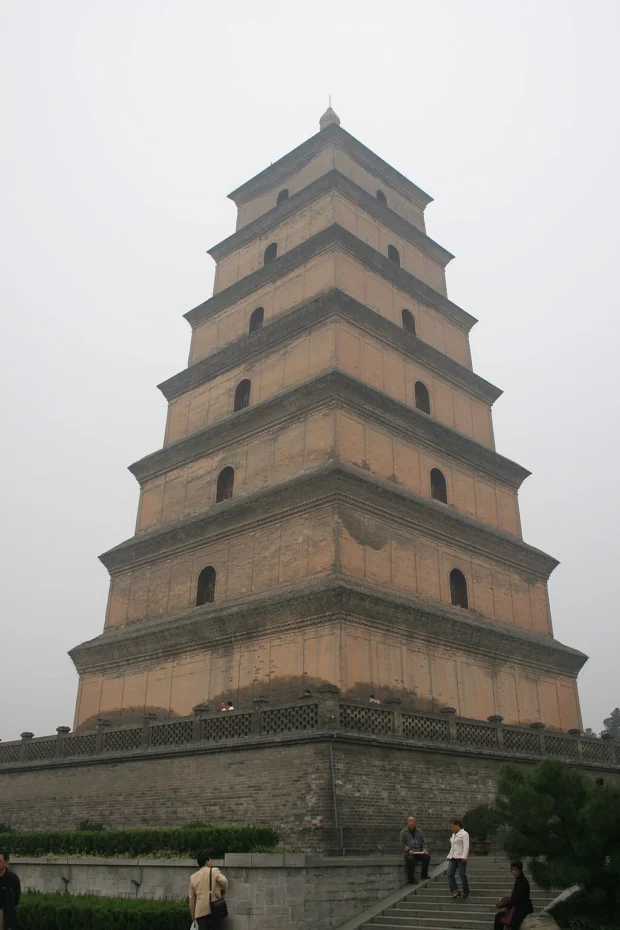
Inside, gentle incense fills the air. Worn stone steps spiral upward, each landing offering carved reliefs and painted wooden doors. From the top if you climb the narrow stairs the view stretches across leafy parks, bustling plazas, and the newer skyline beyond. Outside, locals gather for open-air tai chi, while families picnic around the fountain that dances in colorful lights after sunset. This area is also home to vibrant street art, small craft markets, and savory snack stalls selling steamed buns and cold noodles. For those interested in conservation, the pagoda itself is a living example, with careful brick restoration and seismic reinforcement visible in recent years.
History and Culture at Shaanxi History Museum
Whenever I want to understand a city’s story before seeing it in stone and brick, I head to its museum. In Xi’an, the Shaanxi History Museum stands out, offering a beautiful journey through 5,000 years of civilization. The collection is vast: gleaming bronze vessels, Tang dynasty ceramics with colorful glazes, delicate gold ornaments, and silk fragments from ancient tombs. One afternoon, I lost track of time studying a mosaic floor from a forgotten city and detailed reliefs depicting daily life along the Silk Road.
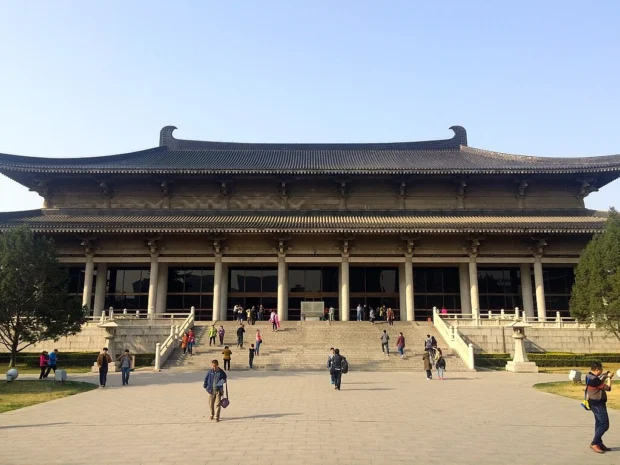
Arrive early, as crowds form quickly, and bring your passport or photo ID for entry. The museum’s displays are labeled in both Chinese and English, and special exhibitions sometimes feature rotating treasures a rare jade burial suit or newly unearthed statues. Children and adults alike marvel at the life-sized painted horses and the intricate maps of old Chang’an, Xi’an’s ancient name. This is also a place to learn about restoration: conservators behind glass restore old ceramics, carefully gluing together shards and stabilizing painted surfaces.
Pagodas, Springs, and Sacred Mountains Beyond the City
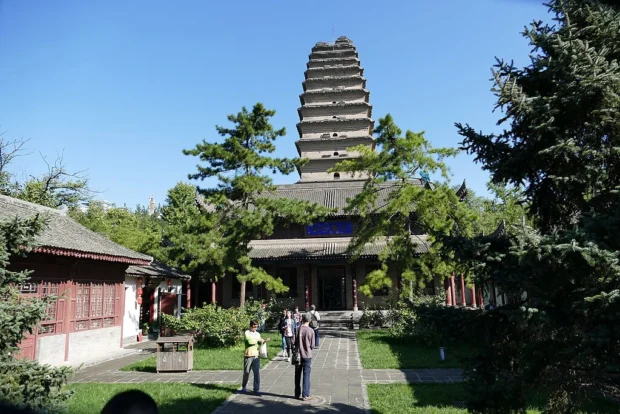
Xi’an’s wonders are not limited to the city itself. A short ride brings you to the elegant Small Wild Goose Pagoda, slightly younger than its “big” sibling but surrounded by tranquil gardens and a small patch of medieval city wall. Early mornings are best for gentle walks among bamboo groves, where you may hear the temple bell ring. The pagoda is sometimes less crowded, perfect for sketching or quiet reflection.
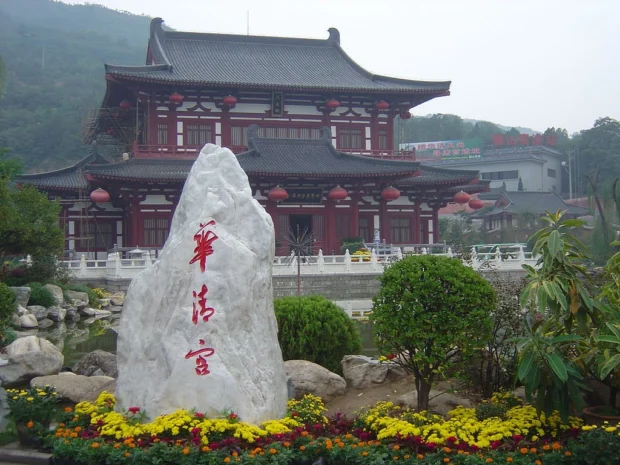
Further out, Huaqing Hot Springs sits at the foot of green Lishan hills, a place of romance and tragedy in Chinese history. Emperors once bathed here, and the pools and pavilions tell stories of love, intrigue, and rebellion Emperor Xuanzong and his beloved concubine Yang Guifei being the most famous. The pools are surrounded by gardens, willow trees, and elegant stone walkways, making it an ideal spot for a half-day trip.
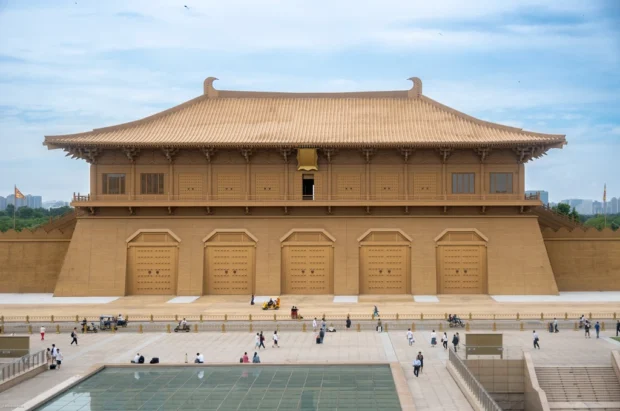
To the east, the ancient Famen Temple is a destination for Buddhist pilgrims, housing a sacred finger bone relic of the Buddha. Its design is a mix of old and new a restored pagoda and a modern hall shaped like a lotus flower. Daming Palace Site Park allows you to walk among reconstructed palaces, old city gates, and archaeological remains of the Tang dynasty’s grandest imperial complex. Here, children fly kites, families picnic in the shadow of reconstructed walls, and pop-up exhibits teach about ancient architecture and restoration practices.
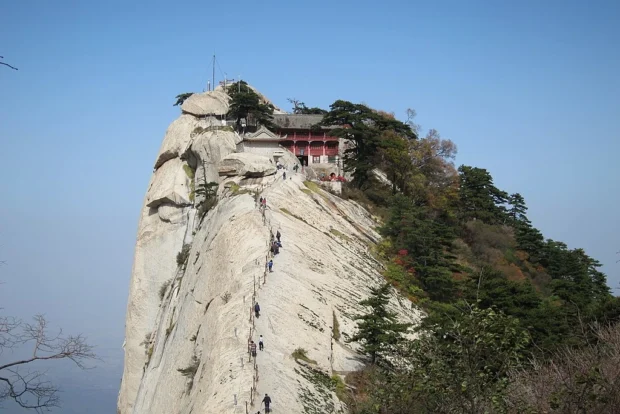
For those with a taste for adventure, Mount Huashan, one of China’s five sacred mountains, rises dramatically outside Xi’an. It is famous for narrow stone stairways clinging to steep cliffs, ancient Taoist temples, and panoramic views that seem to stretch to the horizon. Local legend says immortals once lived here, and climbing the mountain whether by cable car or on foot is a rite of passage. At sunrise, the landscape glows with layers of mist, and the stone paths are alive with the memory of pilgrims, poets, and hermits seeking wisdom.
Markets, Crafts, and Everyday Life in Xi’an
What I love most about Xi’an is how ancient tradition meets daily life in unexpected ways. Traditional markets hide behind stone archways, where early morning vendors sell crunchy flatbreads, pickled garlic, and baskets of fresh jujubes. In Beiyuanmen Street, artisans shape miniature terracotta warriors, weave silk, and paint delicate porcelain in family workshops. Keep an eye out for restored vernacular houses with decorated wooden doors some are centuries old but still home to local families.
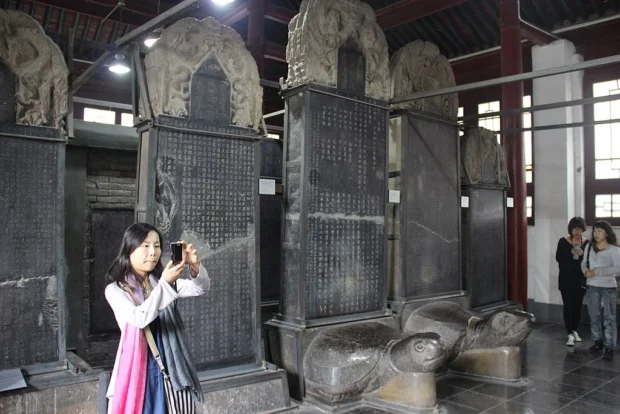
Ceramics and textiles have always been Xi’an’s pride. At the Forest of Stone Steles Museum, stone tablets inscribed with calligraphy line shaded courtyards, keeping alive the city’s tradition of scholarship and carving. For those who love mosaics and reliefs, these ancient steles show scenes of daily life, nature, and even music, while modern craftspeople in the city’s backstreets create new works inspired by Tang dynasty designs. Xi’an’s blend of past and present is also visible in its restoration practices old city gates rebuilt with traditional tools, new roofs laid atop ancient walls, and young apprentices learning crafts from their grandparents.
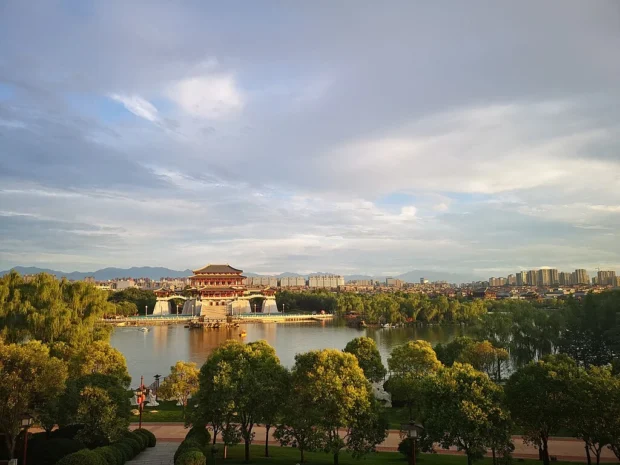
Tang Paradise, a large park inspired by imperial gardens, is another place to watch heritage revived. During spring festivals, performers in colorful robes reenact Tang court rituals, while musicians play ancient tunes on bamboo flutes and stone chimes. Lanterns hang from peach trees, and families gather to watch water shows, surrounded by artificial lakes and pavilions built with traditional woodworking techniques.
Getting Around and Where to Stay in Xi’an
Xi’an is well connected by its modern metro system, which runs from the airport and train stations through all major districts, including stops near the Ancient City Wall, Bell Tower, and Big Wild Goose Pagoda. If coming by air, you can take the Airport Express train directly to the city center in about 40 minutes. The city is walkable in the inner districts, especially within the City Wall, and public buses are frequent and easy to use for trips toward the suburbs or outlying sights like Huaqing Hot Springs or Daming Palace Site Park.
When choosing where to stay, consider small guesthouses inside the City Wall for a sense of living in history, or comfortable hotels in newer districts if you prefer modern amenities. Neighborhoods around the Bell Tower and Muslim Quarter are lively and central, with easy access to major sights, food streets, and evening entertainment. For a quieter atmosphere, look toward the south near the Big Wild Goose Pagoda, where parks, museums, and small markets are just a short stroll away.
Dining and Customs: Savoring Xi’an’s Unique Flavors
Few cities rival Xi’an’s depth when it comes to traditional cuisine. In the Muslim Quarter, try yangrou paomo, a rich lamb soup served with hand-shredded flatbread, or roujiamo, the famous “Chinese hamburger” filled with savory, slow-cooked meat. In the southern districts, cold noodles (liangpi) and spicy dumplings are street food favorites. I never left without tasting persimmon cakes and sweet rice wine sold from open windows.
Table customs here are relaxed but polite wait for the oldest person at the table to take the first bite, and always pour tea for others before filling your own cup. Pointing at people or religious symbols is considered rude, and shoes should always be removed before entering someone’s home. Locals are proud of their city’s heritage; even busy shopkeepers gladly share stories about family recipes or the origins of their crafts.
Final Thoughts: Reading Xi’an in Stone, Street, and Spirit
Xi’an is a living archive, where every courtyard, pagoda, and plaza echoes with the footsteps of poets, generals, and traders. From the silent watch of the Terracotta Army to the noisy feasts of the Muslim Quarter, the city invites you to touch its textured history and ever-changing present. Whether cycling atop the Ancient City Wall at sunset, wandering under the shadow of pagodas, or tasting handmade noodles beside a centuries-old mosque, each moment brings you closer to the heart of this remarkable place. My days in Xi’an changed how I see the world’s old cities less as museums, more as living, breathing landscapes.
If you love ancient fortifications, vibrant street markets, sacred temples, and the gentle art of finding beauty in the everyday, Xi’an will fill your notebook and your memory alike. The city waits quietly, its doors always open, its stories ready for all who walk its stones.
To complement your journey through ancient city walls, consider Antalya’s historic fortifications and lively markets for a unique coastal cultural experience here.

Explorer of historical towns, ancient ruins, and traditional markets, combining modern travel with interest in heritage.
- 西安钟楼2020 (1) by ScareCriterion12 on Wikimedia Commons – cc by-sa 4.0
- 51714-Terracota-Army by xiquinhosilva on Wikimedia Commons – cc by 2.0
- City Walls of the Ming and Qing Dynasties (54089429421) by xiquinhosilva on Wikimedia Commons – cc by 2.0
- 2010 CHINE (4573375735) by thierrytutin on Wikimedia Commons – cc by 2.0
- Great Mosque of Xi'an 20240808 049 by 沈澄心 on Wikimedia Commons – cc0
- Glockenturm – Bell Tower – Xi'an – China by Markus FL on Wikimedia Commons – cc by-sa 3.0
- Drum Tower Xi'an by TarnishedPath on Wikimedia Commons – cc by-sa 4.0
- Dayan "Big Wild Goose" Pagoda (9911372366) by Gary Todd from Xinzheng, China on Wikimedia Commons – cc0
- Shaanxi History Museum 2 by jesse on Wikimedia Commons – cc by-sa 4.0
- 2015-09-23-083327 – Xian, Kleine Wildganspagode by Zossolino on Wikimedia Commons – cc by-sa 4.0
- Huaqingchi 1 by The original uploader was Yyk at Chinese Wikipedia. on Wikimedia Commons – cc by-sa 3.0
- Daming Palace National Heritage Park – Danfeng Gate 01 by xiquinhosilva on Wikimedia Commons – cc by 2.0
- Xian Huashan – panoramio by Anders Johnson on Wikimedia Commons – cc by 3.0
- Beilin Stone Museum (9913218786) by Gary Todd from Xinzheng, China on Wikimedia Commons – cc0
- Tang Paradise 2 by Virgil Guo on Wikimedia Commons – cc by-sa 4.0
.jpg)

.jpg)
.jpg)


.jpg)


.jpg)
